24/03/21 – informative objects engaging with different non-human scales

I could potentially create objects that inform actions that performatively engage with the specific actors at the site….

I think a series of objects would be effective in creating an over view of the different and latent entanglements of non-human and would allow me access a variety of scales.

these could be either physical scales or temporal ones.
there are various interesting elements to spoil heaps that I could investigate through objects

  • chemical make up of the soils and the pyrite oxidation causes the soil to have high acidity levels (this can be treated with self remediations using substances such as lime – or limestone….)
  • this leads to the soil having a high conductivity (from the salinity result from the sulphate oxidations)
  • species that thrive in calcium high conditions (special mosses and other vegetation leading to rare invertebrates etc)
  • fossils are exposed from the deep extraction of latent geological phenomenon
  • recolonised earth leading to burrows and complete reclamation

PHYSCIAL SCALES

bacteria, chemical / vegetal / small animals

molecules of pyrite / route structure of

TEMPORAL SCALES

conductivity of ions / vegetal growth / fossils…

this would allow me to make ‘informative objects’, scale diagrams and maps, and perhaps even sound pieces that could play with this warping of the experience of time and in tern sound vibrations…

24/03/21 – site?

struggling to find the specific sites suitable for my interventions.

Hatfield and Bradsworth colliery in south yorkshire…

I have phoned quite a few numbers but have just been given emails. It would be really useful to talk to actual experts and to know how likely it is for me to be able to access the sites (if thats something I would like to do)

24/03/21 why spoil heaps?

THE HILLS OF THE CARBONSCAPE

The uk carbonscapes is sprawling and complex. energy systems such as coal extraction and combustion leach into all realms of the uk nature culture (or the ‘human-non-human’)

I like the term human-non-human because of its visual symmetry and how it both describes what we as a species self identify as whilst simultaneously negating this singular definition as we are as mum non-human as we are human, we are networked within the vibrancy of all sorts of actors on a all sorts of physical and temporal scales.

extraction practices are a fascinating example of humans ability re-terraform our landscapes both visible and invisibly – mine shafts and colliery buildings are visible symptoms whilst vast voids lying amongst deep times geological architectures are invisible to most of us (whilst they most likely are a reason for the ground level temperature of large percentage of the uk).

spoil heaps emerge a man made architectures that are symbolic of the resources terraformation of our environments whilst being invisible, much like the empty coal seam itself. they blend into the backdrop or remoulded landscapes yet are volatile and dangerous objects that house the past present and future of social political and ecological informants.

they are actors of deaths and destruction. the kill and are killed. their life spans breach the human and these slow processes perhaps lead themselves to a non anthropocentric understanding of succession and ecological colonisation. what humans deem as waste is ‘dumped’ laying the foundations for new life to form.

how to move forwards with the heap? how to recognise its agency through a reconnection to the past’s of extraction to resist and innovate its future. how can I augment the value system of the heap. how can i augment the cartography of the heap through informed interaction.

how can i engage with these life spans an scales as an entry point into the sprawling carbonscape of my local environment?

will creating new links to the nonhuman actors of theses practices allow for new understandings of extraction?

RECLAIM THE HEAPS

how can a foster new relationships with the carbonscape in an effort to re-address human-non-human resource geographies. the heap is a disregarded waste at one point yet becomes a resource for the ecology that reclaims it.

how could objects inform performative engagement? can these objects and the human behaviour they humans inform become agents in a process of reclamation and remediation.

the walking gardener? performative wearing?

autographic visualisations of geological nonhuman

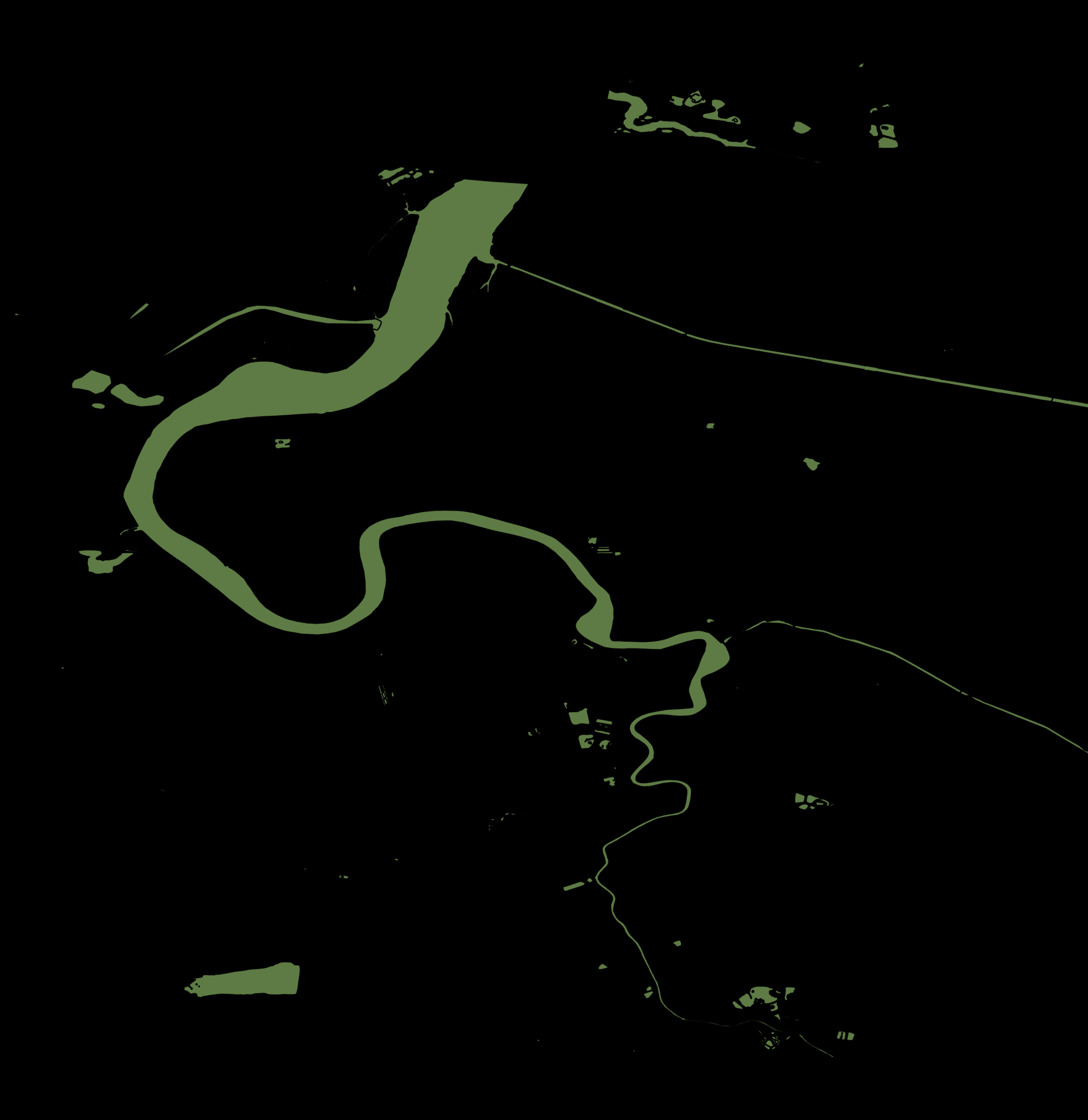
returning to methods of translating the latent material trace as a way to render sensitivity, i thought about how the terraformation of the architectures of coal extraction become visual markers of a local geological configuration. the remnants of something beyond most peoples phenomenological experience. to test alternative formats within my interests in carbonscape I visualised a map of all the known collieries in England to begin to see the how they correspond to the geologically identified coal seams below.

thought about building a blender visualisation of the coal seams that lie below the uk…

as an extra to the exploded maps that just show how architectures of coal extraction are autographic visualisations of geology / time….

in the case of the Woodhouse colliery plans, the architecture of the extraction site becomes symbol of the 136 cubic meter mineral coal seam below the Irish sea….

produced some graphics to visualise this data

I like working in this digital aesthetic for these kinds of infographics, it seems to both mimic and mock the aesthetic of digitised and informative corporate imagery – those deployed to imply hierarchy and informed academic understandings of these wicked issues. they act as a visual persuasion…

sensual speculative objects

how can the botanical environments surrounding human extraction practices inform an understanding of our current pursuit of fossil fuels.

should i be using / infiltrating the objects used in these practices…

  • the high-vis
  • rubber gloves
  • metal checks
  • instruments that make noise… machinery/traffic…
  • tooth paste / cosmetics (that use coal)

connect these objects with the materials / non human that act / protest / resist

  • red shale… silts, clays -by products / sandstones that line coal seams
  • sensate plants – plants that are either pollutant sensitive or hyperaccumulators / bio/phytoremediators
  • architectures that visualise geological stratum – call seams seen through mine entrances

….

gloves

what would it feel like putting on a glove made from fine sands/clays/shales… other types of stratum that lie next to coal that are excavated in the process and dumped in tips.

the high vis

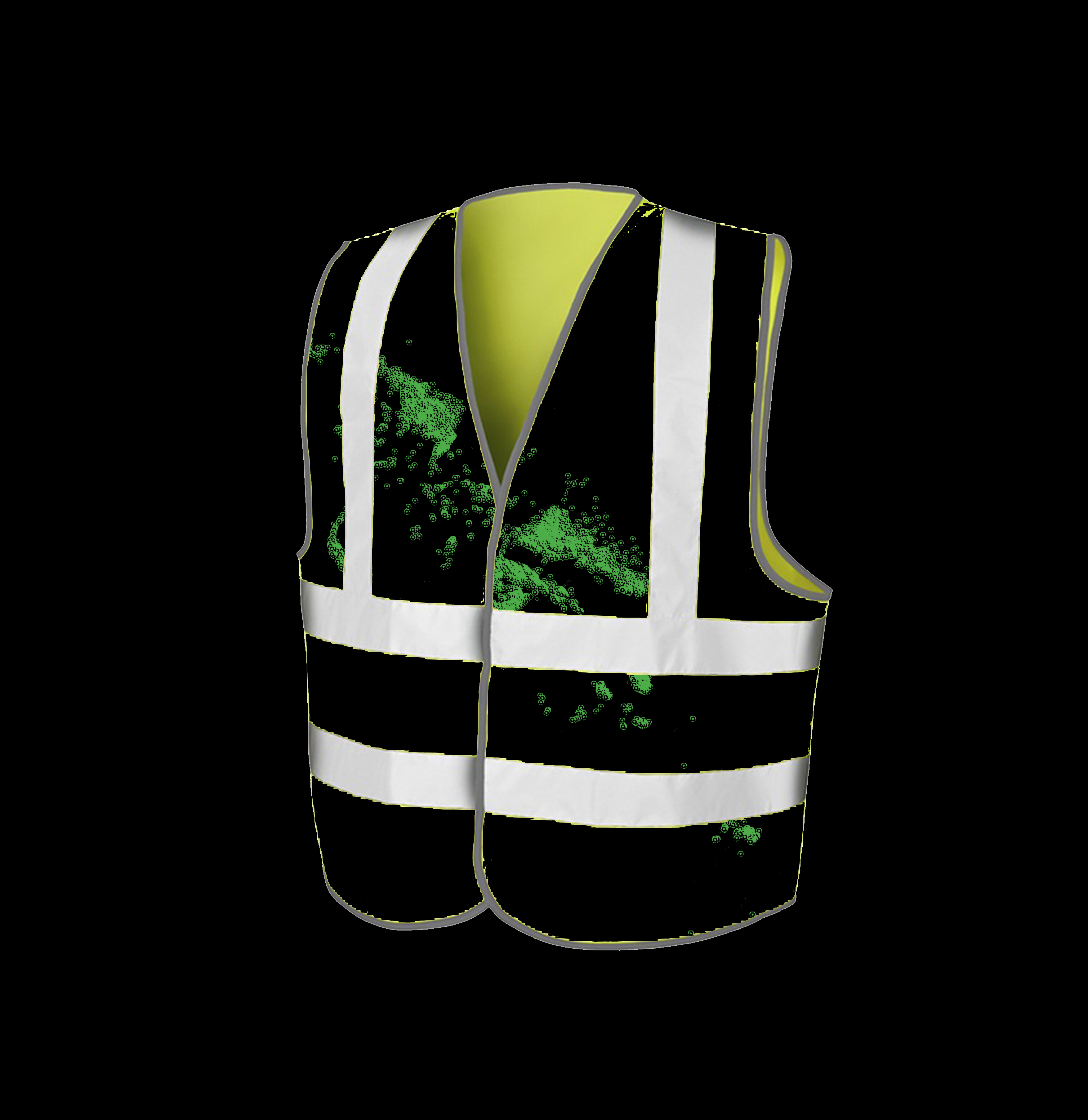
the high-vis gillet is used to create visibility. could use it as an object that makes something ‘visible’ through its patter..

would be interesting to use the effect light some how – through metal engraving that changes a shiny surface to matt so it wouldn’t reflect light when lit up…

thinking about non-human cartographies as a subject matter to be the pattern of the vest..

graphic depicting the placements of know coal mines over geological data of the coal seams in the uk…

architectures of extraction become autographic visualisations of latent geology…

could even be derived and be ‘usable’ maps that included postcodes / coordinates – so that they could be visited in a sort of ritualistic / pilgrimage

checks

checks are brass and alloy metal disks theatre used to check in and out of shift. maybe interest object to critically recreate…

wondering if this is a place to infiltrate the smell senes …. could make beads from the ‘sensitive’ plants like to used to do with rosaries (made from boiled down roses

sorbaria sorbifolia (false spirea) …. + painted black bead in the place of flower made bead…

….

how could a provide on non human sensitivity through sound…?

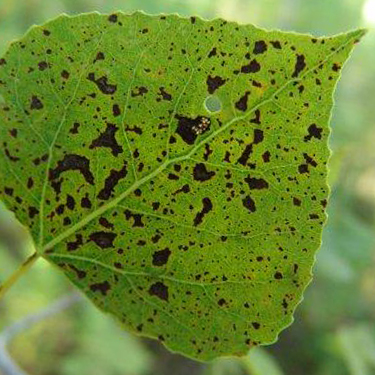
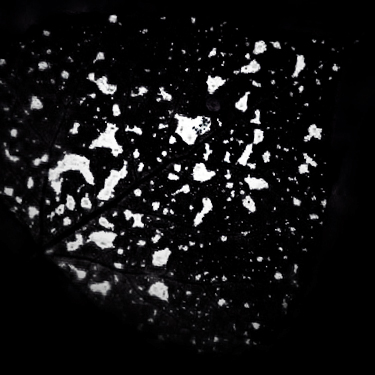
  • maybe, like with the mushroom spores; ‘translate’ the tattoos formed by ozone sensitive plants like tobacco Bel W3 strain…

^ test what the edited/inverted sounds like in pixelsynth

can’t think yet what an object to eat/taste would be…

exploring sensitive materials

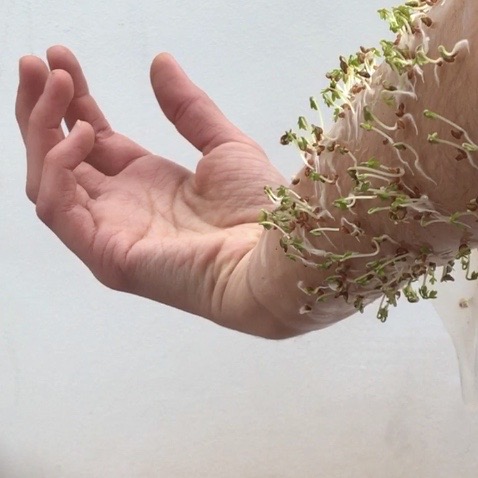
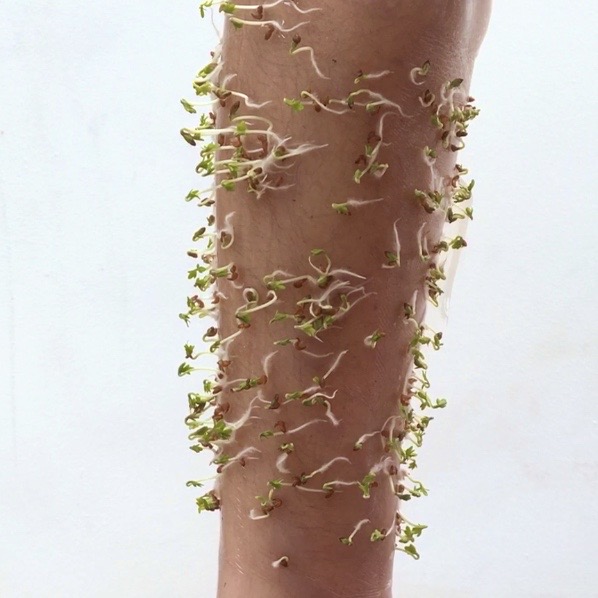
could i plant ‘sensitive’ plants in materials… could sweat fuel the plant – the interaction between two sensitive beings, accumulating each there….

testing with cress seeds as they are fast growing. they have started sprouting in just 3 days and are trying their best to embed routes but this is not long term as eventually the will have nowhere to go and the agar will no longer be able too sustain them…

wearing the material…

sensitive botanicals…

if protest requires sensitivity – looking at plants sensitivity to pollutants as a form of resistance / protest

(remediating sensitivity:)

  • aster spp – hyper accumulator of heavy metals like lead, selenium, cadmium
  • euphorbia characias – hyper accumulator of lead and arsenic 
  • salvia nemorosa / officinalis – bioaccumulator of heavy metals like zinc (makes it wilt)

injury sensitivity :

  • Osmanthus delavayi – bioindicator of sulphur dioxide pollution
  • sambucus racemosa – ozone damage to leaves 
  • sorbaria sorbifolia – phytoremediation or particulates / sensitive to ozone 
  • symohoricarpos albus – bioremediator of of heavy metals like iron and zinc / ozone sensitive via leaf injury

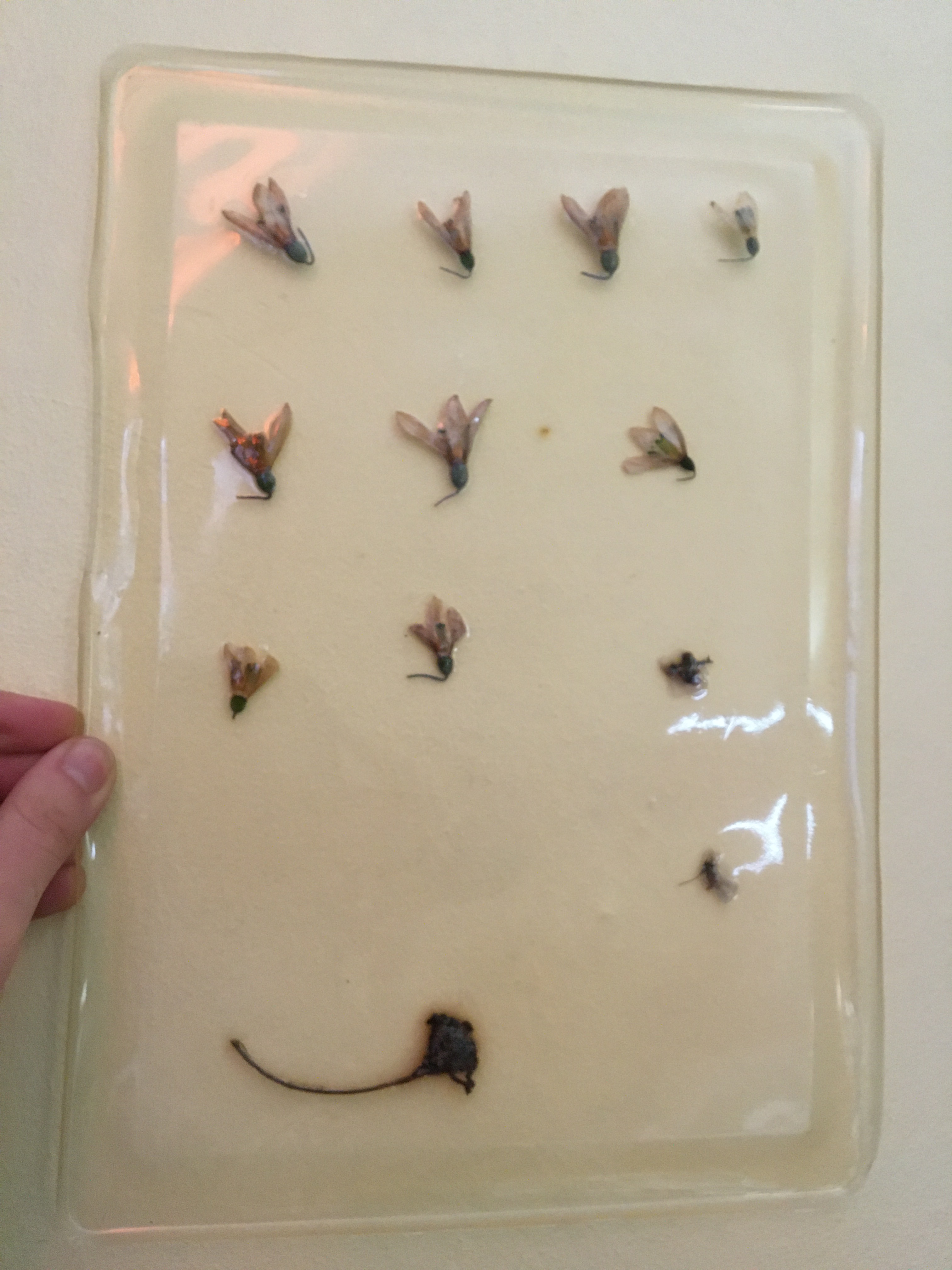
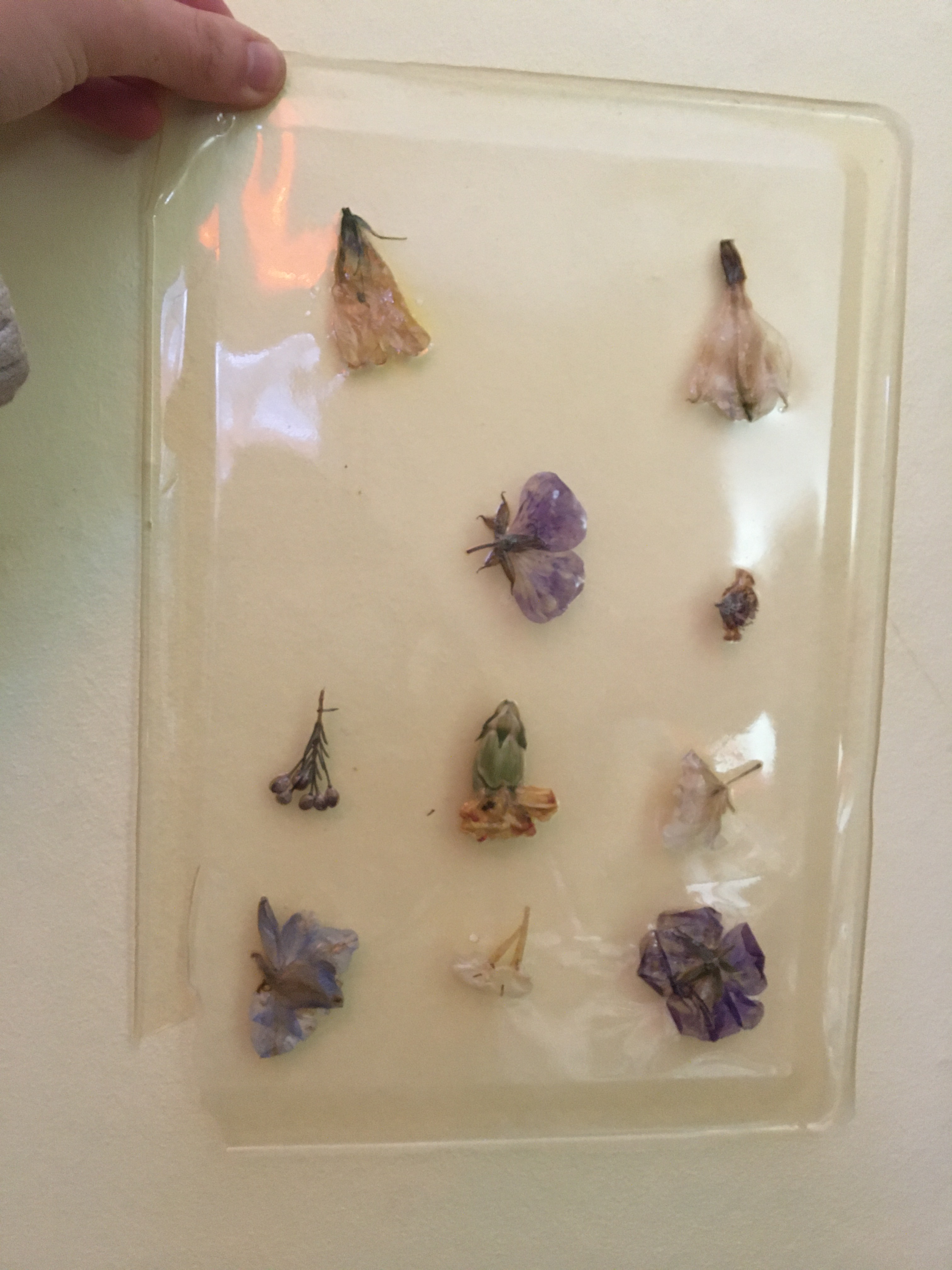
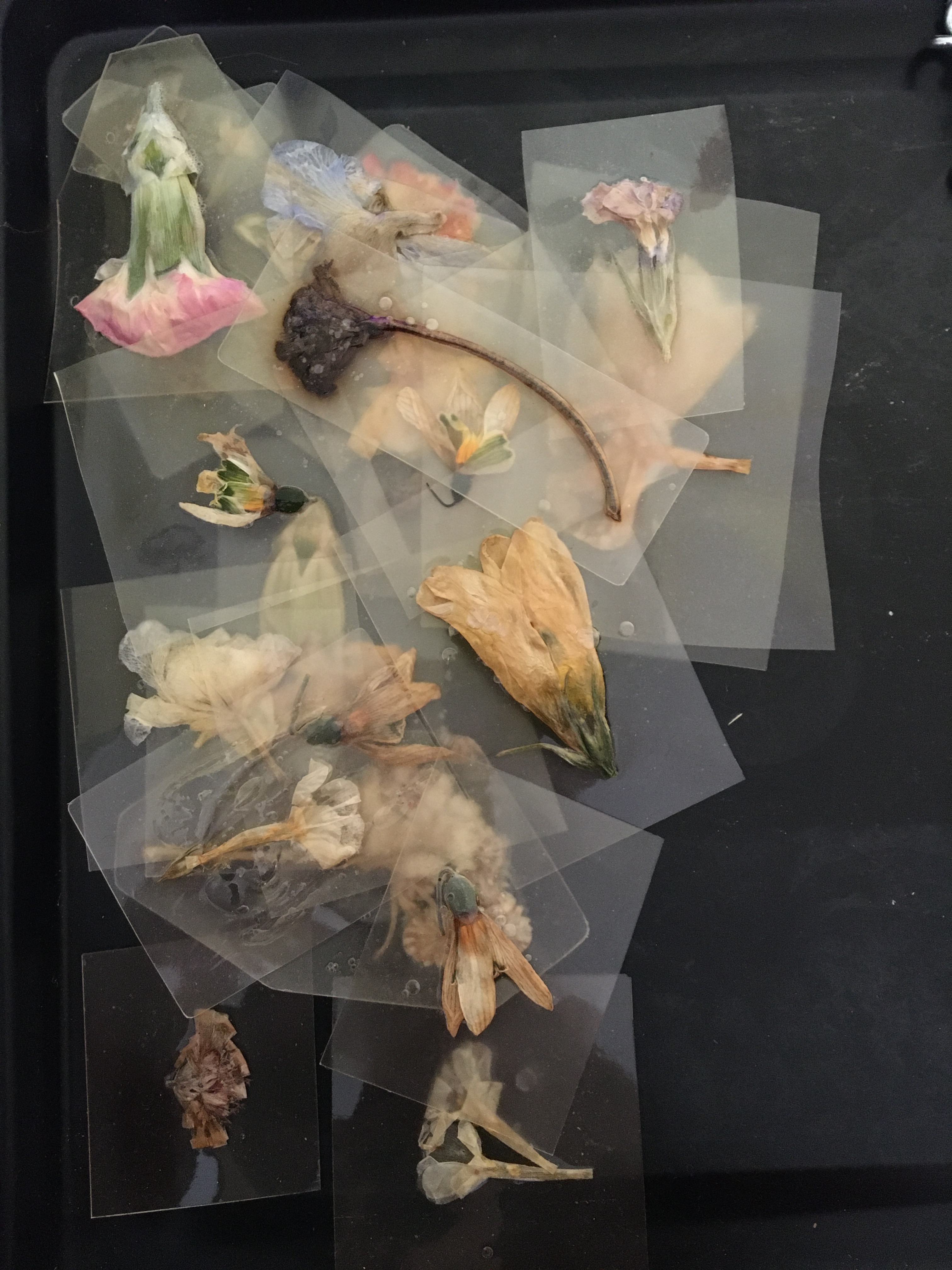
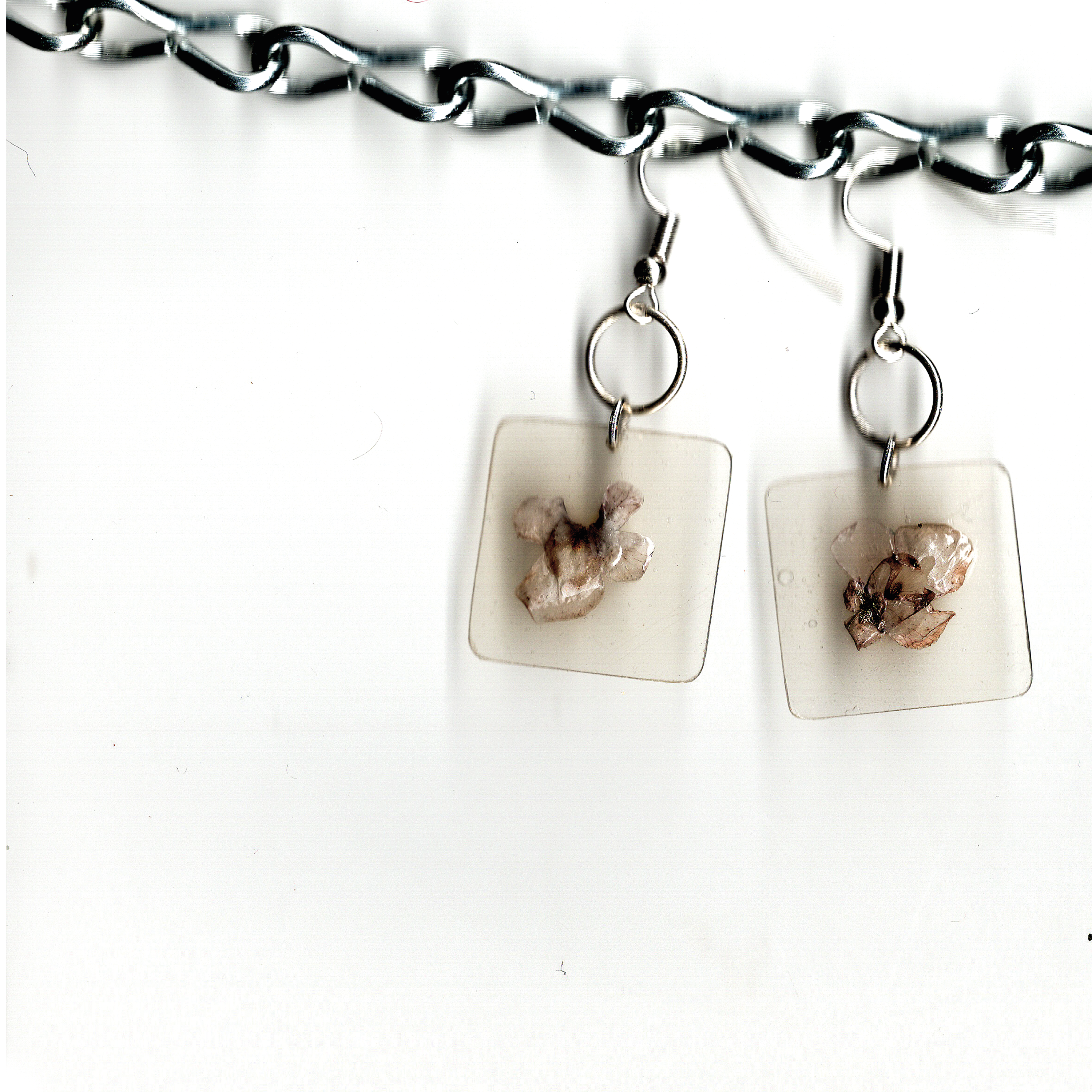
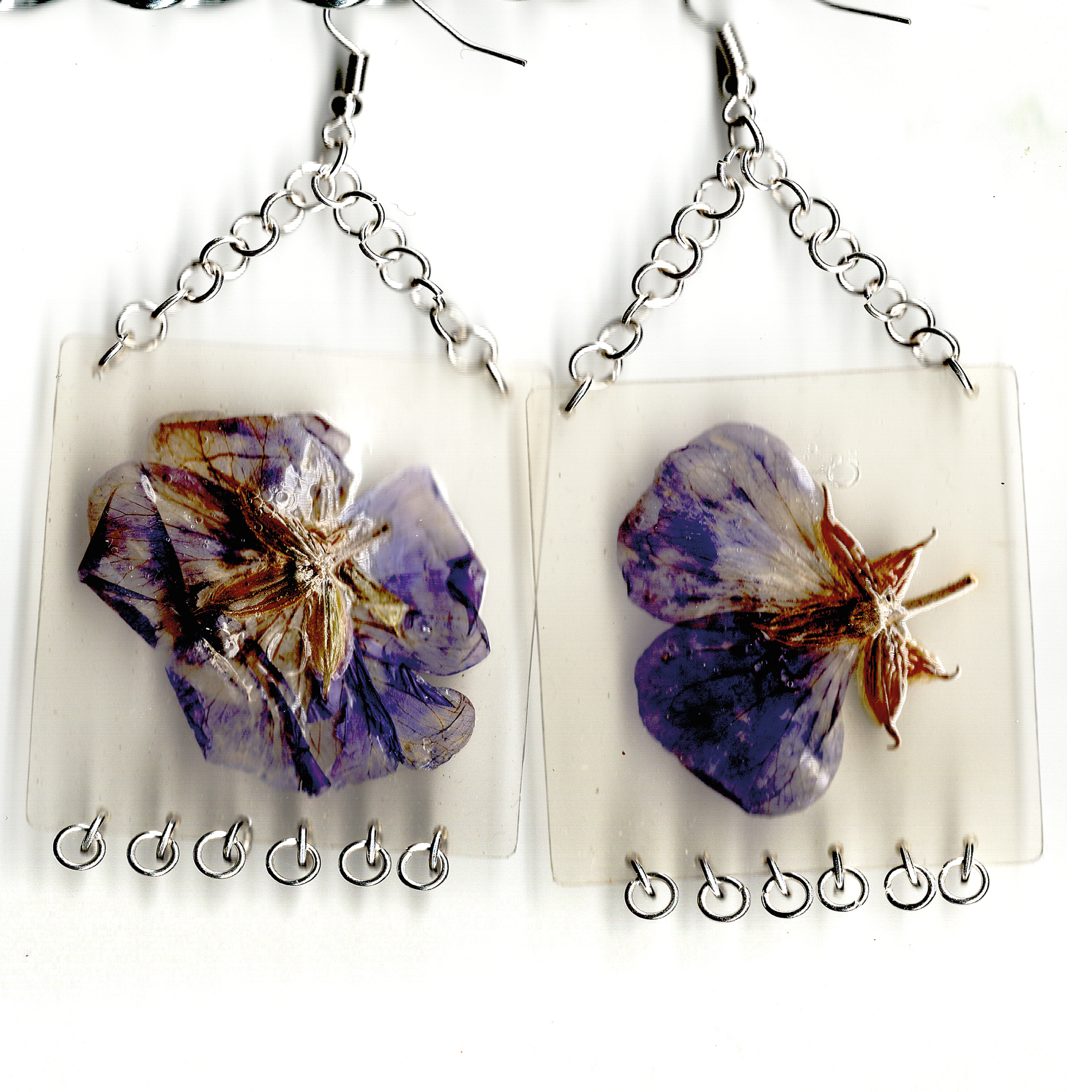
exploring ‘wearing’ sensitively…. submerging sensitive plants into bioplastics

sorbaria sorbifolia (false spirea) / geranium maculatum (cransbill geranium) / aster spp (smooth blue aster)

made lots – not all are specifically sensitive plants but wanted to just make designs to get going a bit…

now I would like to think more about the relevance of the actual design. as earrings hang from the ears they are places fairly near to to your smell… how could i infiltrate the human sense of smell…. these plants surely have odors…

I saw a video of rosary beads being made from actual roses regionally.. they apparently hold the smell of roses for long periods of time. maybe should make beads from the specific plants that has been memorialised in the bio plastics…?

maybe the shapes of the bio plastics could correspond to the molecules the plant is sensitive to…..

minors would use these as a way to begin and end a shift. allow handed in at the start and brass at the end…..

slow protest

traditional protest can be seen as the use of masses of bodies in a given space in order be disruptive as a political mass organism. these events leave traces and can have the potential to change the emotional and physical cartography of a space. in this way they are autographic, thus gaining further attention due to the rupture of public understanding around a given issue. how else could i display resistance and how could the act become autographic? 

Through artists like lydya halcrow and theories of isabelle stengers and jenifer gabrys I found how ‘slow-ness’ could emerge as a countering concept of protest. the act of existing against the grain of capitalist productive-ness can be seen as resisting in a new time scale. walking can be resistance. I begun exploring the ways I could perform resistance, prototyping designs that would explore and combine these ideas. 

plants such as tobacco nicotina, strain Bel W3 autographically displays the air pollution of a given space through visual marks. the visualisation theorist dieter offenhuber has created autographic gardens within communities with poor air quality in order to provide citizens with the ability to sense their local environments. I begun creating wearable objects that could become discrete objects of protest through the dissemination of sensitive plants. 

could the act of wearing and walking also be disruptive – changing the sites cartography. I proposed walked route located at the proposed site of colliery architecture.

how could my act of slowness correspond to the awkward and figurative engagement of a petition? could the number of seeds dispersed correspond to the broader network of resistance, the mass of bodies being translated into the garden of disruption. what would happen to these seedlings once they were disseminated? would they be visited by the local community? would new desire paths emerge in the grasses? or would they just get removed? 

low-vis

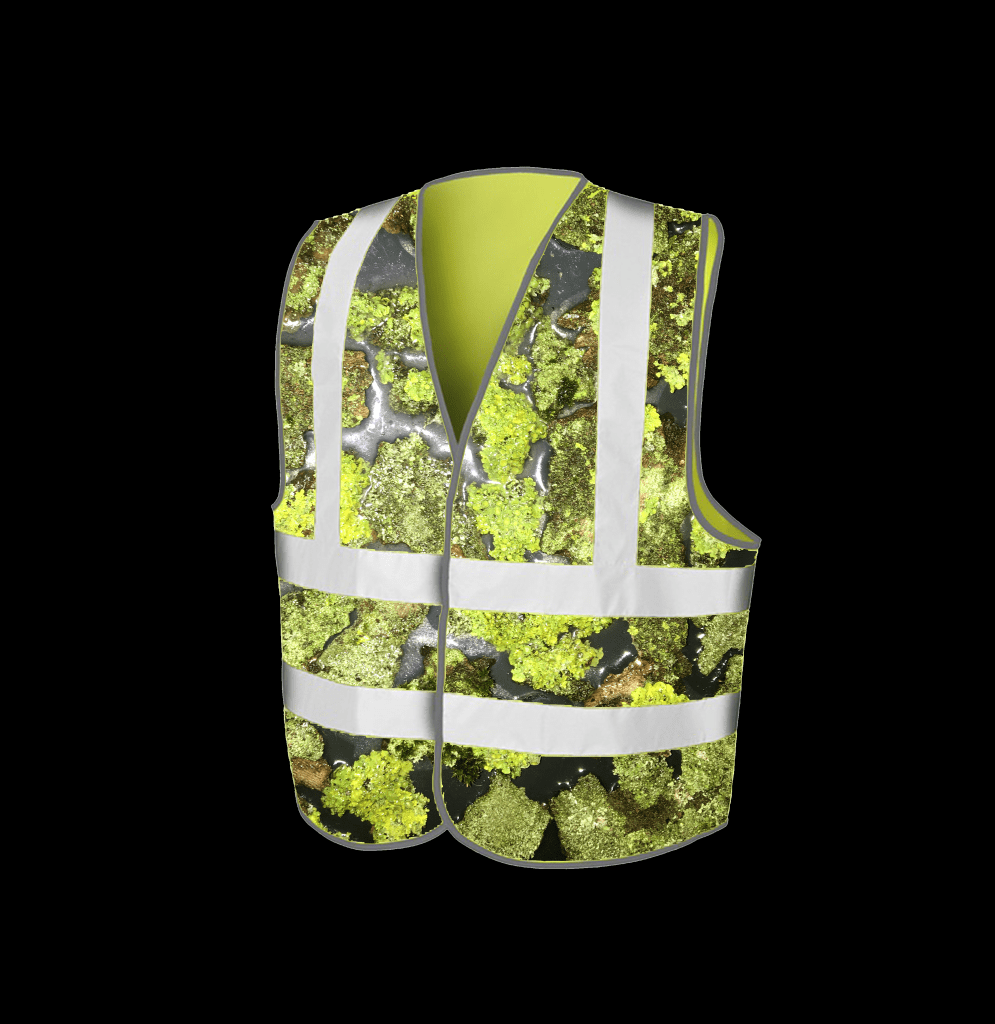
visualising what a high-vis vest would look like if I made it from the lichen embedded bio plastics.

its qualities mean it will degrade… the impermanent and tenuous relationship between labourer and labour network. Uk has specific and hopefully non-contingent claims to be at 0 emissions by 2050……. the jobs provided by the cumbria are by law temporary.

the camouflage element kind of infers the fact minors have had to fight to receive visibility for economic justice. now, again, a new voice that surrounds the carbospace attempts to be heard – climate justice.

07/03/21

thoughts that are informing my thought

to start with: I am currently thinking more about resisting the use of fossil fuels as a form of sensitivity. those that acknowledge the evident damage of the profit driven economic system that props itself up on fossil fuels are those that (broadly) have become sensitive to the non-human.

how can i discuss the protest / resistance of environmental degradation through rendering new sensitivities to their autographic material traces…?

I have currently decided to focus on carbonscapes as a space to critically discuss sensitivity to the climate crisis in light of the backwards step of mining more fossil fuels when their energy use system is deriving us into a eco/genocide.

‘the spaces created by material expressions of carbon-based energy systems and the institutional and cultural practices attached to them’

I was drawn to this site because of the ‘obvious’ nature of fossil fuel = environmentalist trope / collective imaginary to do with ecological intimacy.. the the point where it perhaps sprouts little intimacy… little attainment. how can I in some way subvert this trope and the irony of its counted protest in a way that addresses actors networks and the non-human to human lens…

an extra conflict arises with coal resistance as such movements forms through ‘awkward zones of engagement’

Anna Tsing’s points of ‘friction’ as movements operate under increasingly globalized processes that create ‘zones of awkward engagement’ between chains of different actors at the local, national and international level (Tsing, 2005: xi). Attention to this politics of scale, understanding coal to be embedded within a networked ‘socio-spatial struggle’ 

these zones may grounded nearer to goals if the locals to the carbonscapes of coal collieries were on board… in the case of the Cumbiran mine, the locals face farce unemployment and hold deep histories with the coal industry so are more likely to no appose plans. A sort of pro extraction place attachment..

These insights have been supplemented by research from the Czech Republic, which demonstrates the significance of place attachment and broader political consciousness as important motives for participants engaging with anti-coal activity (Frantál, 2016)

Resisting coal: Hydrocarbon politics paper

those that protest it are an example of those sensitive – how can I create objects that evolve acts of resistance/protest through the practice of physically sensing. re imagining the material traces of past present and future extraction relationships through evolved objects of resistance …

to do this i would like to investigate how the non-human has visualised its own transition from networked actor within ‘nature’ to become a networked metaphorical actant that is assigned the title of ‘energy’ within natureculture.

‘underground lies a world of ‘natural production,’ the deep-time processes beyond human control that create the hydrocarbon con- centrations we know as fossil fuels…Above-ground and freed from geological fixity, energy is thrown into a tumultuous world of ‘social production’”

Bridge (2009a: 43) 

how can I create cartographies of human extraction practices through non-human experience of these practices. how can we become sensitive to and protest against the extraction of coal through a non-human visualisation of its existence.

separate to these maps i would like to discuss sensitivity to these issues through human-non-human sensitivity….

how can the sensitivity of biodiversity become an insight into how humans ‘sense’ the negative assemblage of carbonscapes.