Bowel Sounds Identification and Migrating Motor Complex Detection with Low-Cost Piezoelectric Acoustic Sensing Device

2. Material and Method

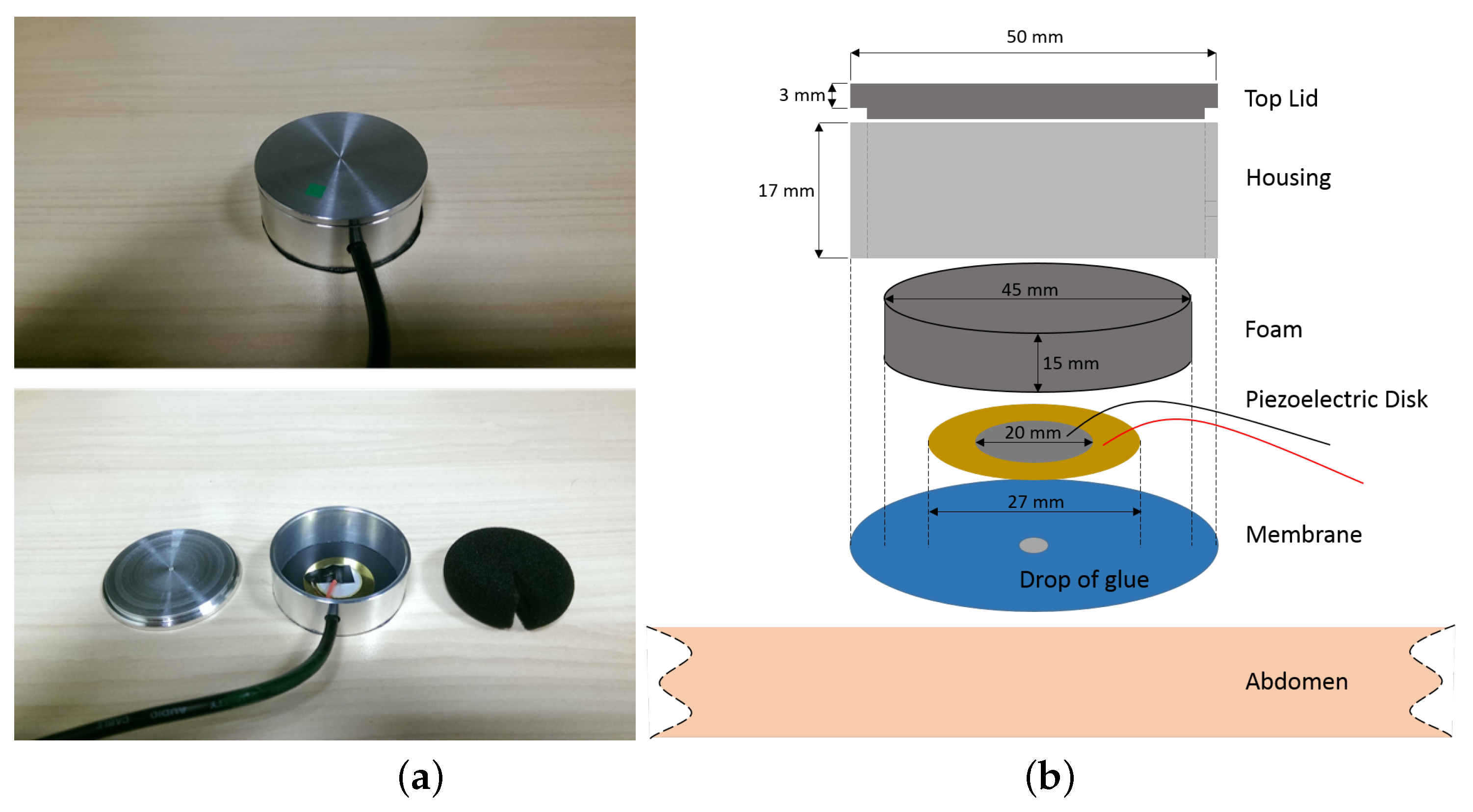
A low-cost and straightforward piezoelectric sensing head that connects to a sound recorder (e.g., a personal computer) was used for BS recordings. This piezoelectric sensing head consisted of a solid housing, a membrane, a piece of foam and a piezoelectric disk. The piezoelectric disk is composed of a PZT ceramic circle on the top of brass circular base, with diameters of 20 mm and 27 mm, respectively. The thickness of the disk is 0.52 mm and the resonant frequency and impedance are 4200 Hz and 300 Ω, respectively. This piezoelectric disk is commercially available, and the reader could buy it online. The sensor head configuration is shown in Figure 1 with dimensions. Due to the stimuli mechanism of piezoelectric sensors, which are triggered by vibration, the housing can effectively block out the ambient noise. In addition, the housing was made from aluminum material, which effectively suspends friction noise from the belt and clothes due to its smoothness. A piece of foam was inserted inside underneath the top lid to push down the piezoelectric sensor and membrane therefore establishing a better contact with the abdomen. The piezoelectric sensor was attached to a membrane at the center with a dot of glue. Subsequently, the BS related vibrations of the abdomen can be transferred to the piezoelectric disc effectively. The sensor was compared to that of a state-of-the-art electronic stethoscope (Litmann 3200) when listening to BS and showed a similar performance. A stretchy tubi-grip belt was used to hold the sensor head at the right location. This low-cost and straightforward piezoelectric sensing device can effectively detect the BS with high accuracy compared to sensors used in previous research. Multiple bio-indexes can be observed such as sound index, sound duration, and the MMC.

Two experiments were designed to record BS passively for BS identification and MMC detection and observation, with the study approved by the UWA Human Research Ethic Office (study no. RA/4/1/8893).

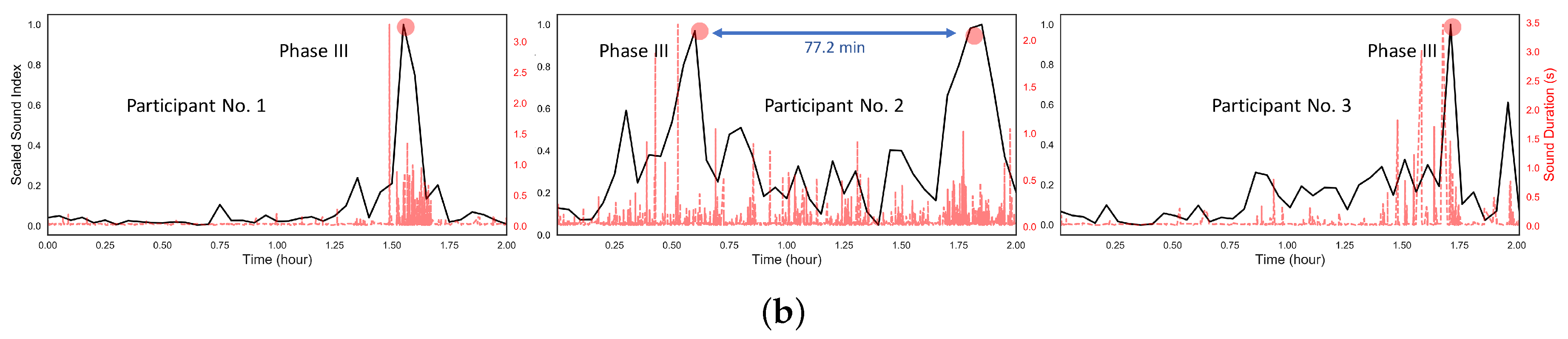
First, two-hour recordings were taken from each of ten participants (participant No. 1 to 10) with 44.1 kHz sampling frequency. This quantity of participants was selected because it was found to be useful in previous studies of the individual characteristics of BS [26,27,29,30]. A single sensor head was attached to the lower quadrant of the abdomen. This site was selected to minimize interference from other organs (heart and lungs) and provide a large amount of BS (following Cannon [7]). To measure standardized ‘clean’ BS without any food influence, the participants were required to fast overnight and skip breakfast. They were asked to sit still in a quiet room for two hours during which sounds from the bowel were recorded. Subsequently, the 20 h of recordings were processed, and several features were extracted, analyzed, and compare to previous research findings

Review Reports Versions Notes

Abstract

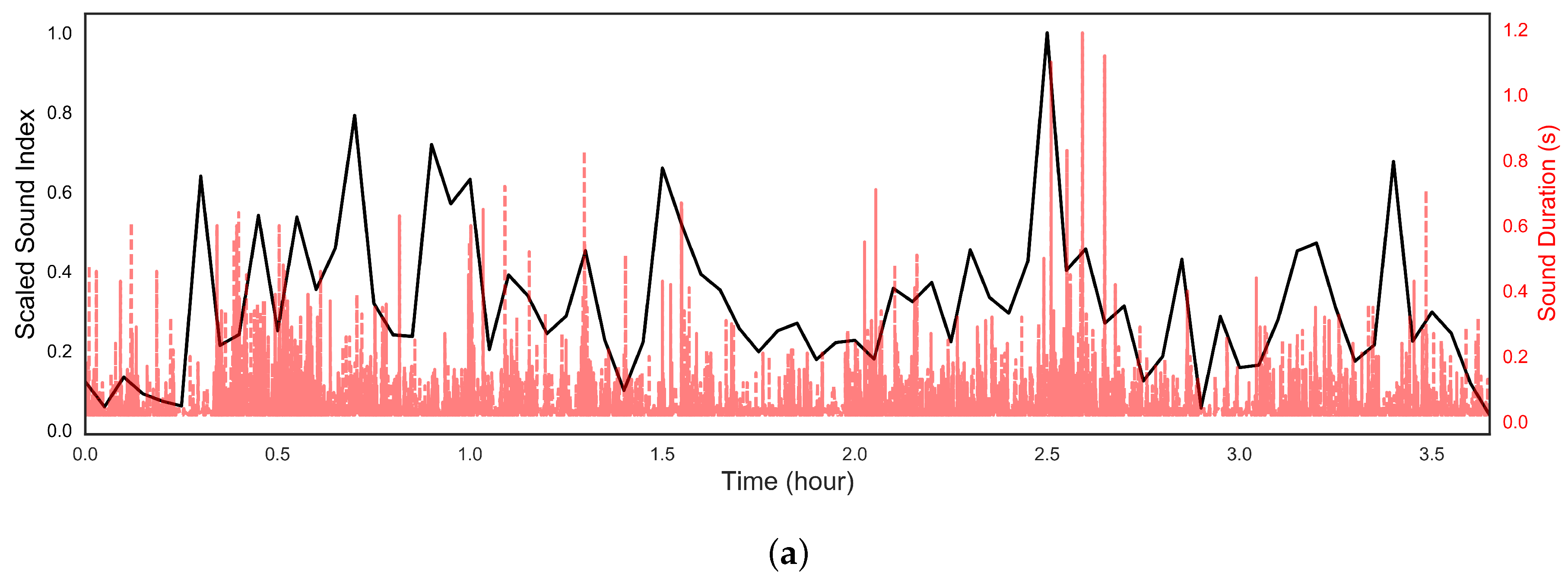
Interpretation of bowel sounds (BS) provides a convenient and non-invasive technique to aid in the diagnosis of gastrointestinal (GI) conditions. However, the approach’s potential is limited by variation between BS and their irregular occurrence. A short, manual auscultation is sufficient to aid in diagnosis of only a few conditions. A longer recording has the potential to unlock additional understanding of GI physiology and clinical utility. In this paper, a low-cost and straightforward piezoelectric acoustic sensing device was designed and used for long BS recordings. The migrating motor complex (MMC) cycle was detected using this device and the sound index as the biomarker for MMC phases. This cycle of recurring motility is typically measured using expensive and invasive equipment. We also used our recordings to develop an improved categorization system for BS. Five different types of BS were extracted: the single burst, multiple bursts, continuous random sound, harmonic sound, and their combination. Their acoustic characteristics and distribution are described. The quantities of different BS during two-hour recordings varied considerably from person to person, while the proportions of different types were consistent. The sensing devices provide a useful tool for MMC detection and study of GI physiology and function.

Sounds have more recently been exploited as biomarkers in fields as diverse as joint ageing and degeneration [5], and placental pathophysiology [6].

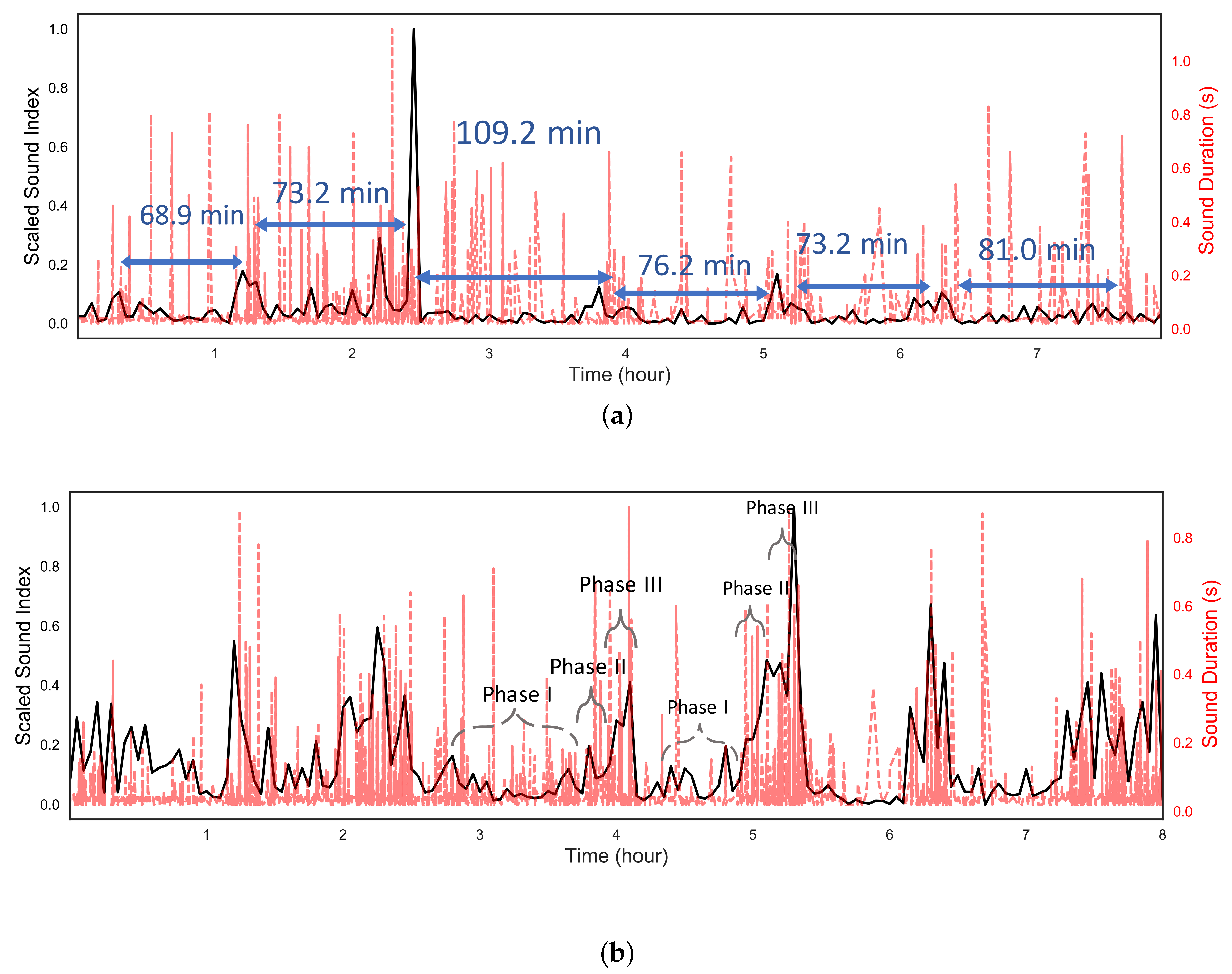
Second, a total of twelve hours of BS recordings were taken from participant L, primarily for study of the MMC. Recordings were made using two sensor heads, one placed on the upper abdomen and one placed on the lower abdomen, simultaneously. Participant L was asked to fast overnight, skip breakfast and recorded under fasting conditions for eight hours to see the MMC cycle. Both the sound duration and sound index over the eight hours of recording were documented in this stage. Another four hours recording after a meal was conducted to investigate how the MMC changed after the meal.

3. Result and Discussion

3.1. Bowel Sound Categories

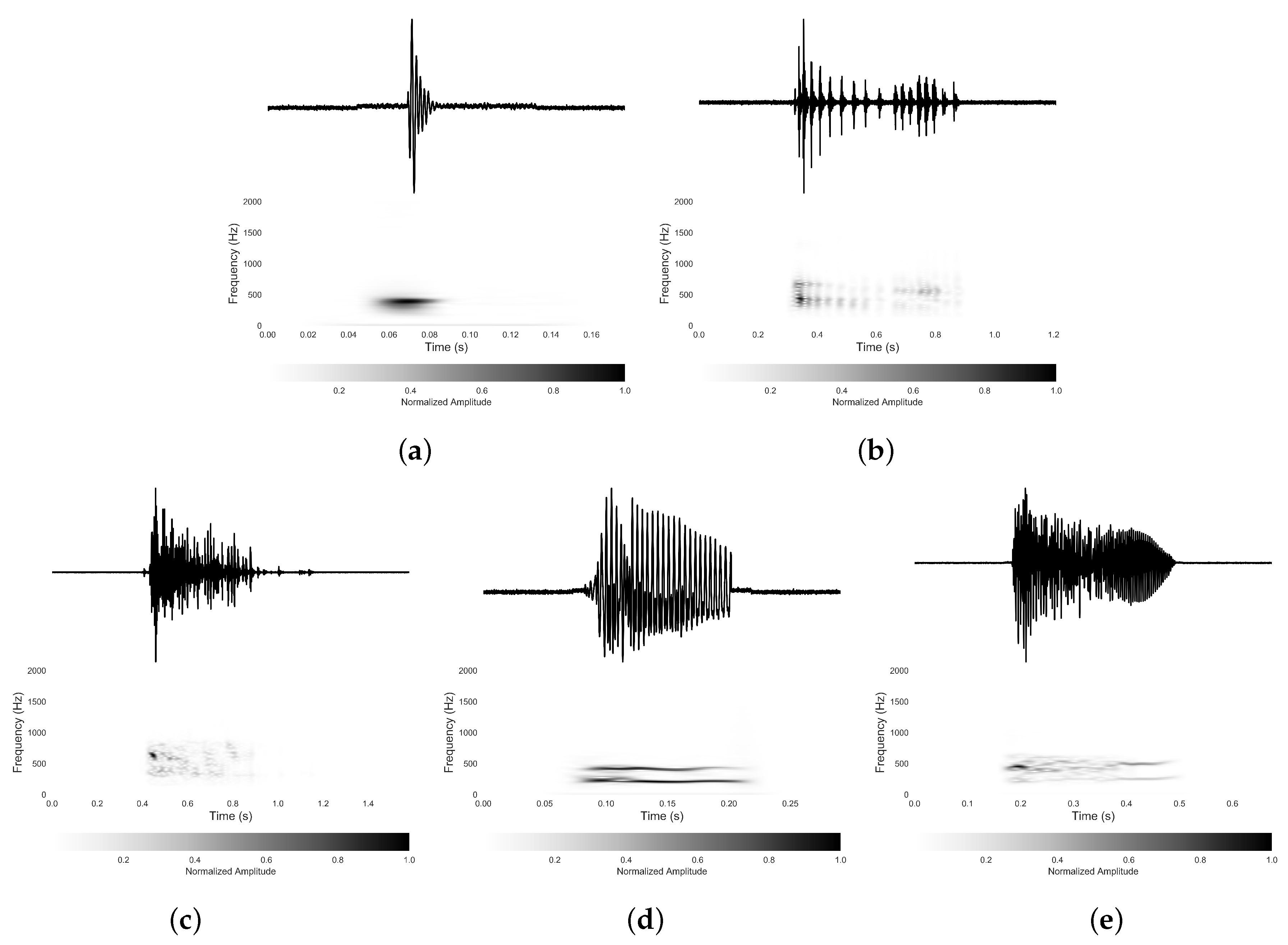
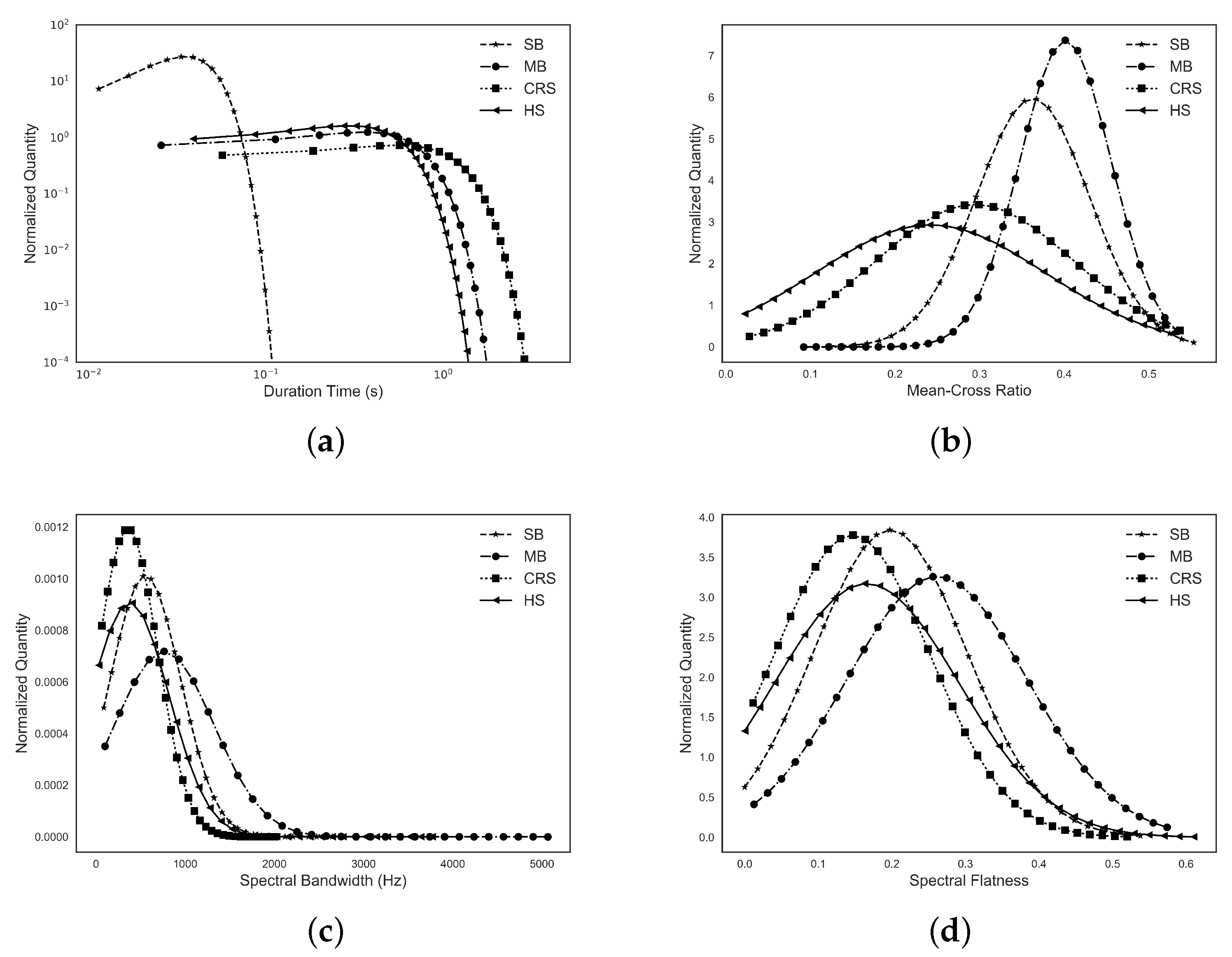
Using the 20 h of recordings from ten participants, we identified five typical types of BS with our proposed sensing device. They were identified according to their time and spectrogram information expanded based on short time Fourier analysis [31]. These five types of BS are classified as a single burst (SB), multiple bursts (MB), continuous random sound (CRS), harmonic sound (HS) and a combination sound (CS), as shown in Figure 2. We were subsequently able to link these BS types to other BS descriptions in the literature, which further validates the performance of our acoustic sensing device.

Chat with Ece Tan

https://ecetan.com/happycow

For her devices she 3D printed in resin and then sprayed rubber to give the look of a fully cast object

She suggested for me:
A sleeve – would this be slip cast? or dripped?
look into how they make condoms – is it vulcanised rubber? talk to manufacturers
print the design hallow
resin printing if I can
If i used PLA there is Plastic Wheld that helps get rid of the seems

other material options:
fast cast resin
sex toys are usually made from platinum silicon (food grade)
for body safe options I should look up Dragons Skin and Ecoflex

Sleeve could be latex but looks like something bio?
Need to think about colours / transparency etc – try channel earthy bioplastic, clear but gritty with a blue ish green misty colour?

GROW LAB CONSULTATION

  • packaging is a material stream that I can intervene more easily 
  • incineration – less toxic materials?
  • I should contact Invivo / daye etc and ask if anyone will sponsor this research
  • look into pop lit perspectives on microbiome data- popular literature: wired science, new scientist, scientific america 
  • looking for materials with
    • low immunity effects (doesn’t evoke an immune response)
    • hypoallergenic 
    • natural products perspective  

JAMES KINROSS / imperial scientist and author of Dark Matter

  • what are u doing in America 
  • The project is about the relationship between what we eat, our bodily and mental health and how self care can educate and reframe how we access our health data.
  • I began by looking at the link between mental health disorders 
  • testing for it and sampling
  • I spoke to Ben mullish from imperial as i was interesting in how stool sampling is stigmatised 
  • he spoke about a paper being published and maybe you are involved in? He spoke about how the area is so exciting but we need much more data to really understand the relationships and the multi-omics / metabolomics
  • microbiome profiling isn’t there yet
  • gut microbiome: extraction is varied, the control is varied, the sequencing is varied (citizen science stuff like zoe is helping but its not there yet)
  • Would you agree that we need more people to give samples and to promote data donations for research?
  • My course is embedded in sustainability and so I’m also interested in the materials we use to gather samples – have you come across anyone looking at biodegradable swabs or alternative materials other than plastic that could mean more sustainable practices 
  • From the book summary you go to explore how we can reverse the damage of gut microbiome – what are some of your hopes for the future? 
  • conditions that will most benefit from gut microbiome research development?
  • What are some of the most exciting research you have come across between humans and their gut microbiome profile? Running speed is mentioned in the book blurb 

Research:

  • Seed
  • Daye
  • Invevo (nice pink marketing)
  • THE NEED FOE SWAB?: Harley street private gut microbiome clinic. Ask their perspective on sampling tools / swabs and patient opinion. Ask to interview – how do people digest the process 
  • COST: Is there a way to minimise the cost? Make it more accessible? Focus on certain cultures? Invevo has maybe done this?
  • MATERIALS: but plug as alternative material instead of inserting plastic swab device (look into skin microbial testing using sticker) think about lambs skin, natural latex, hyper allergenic? 
  • DESIGN: but hole mechanics, what shapes are comfortable/pleasurable. Have some designs ready to make next week. If the device was an applicator, how does it hold a swab, how does it get cleaned? Also what are the surrounding processes eg plastic tubes and instructions etc think about nerve endings. Look into tampon applicators and pessaries. 
  • VIBRATION: make connections that it could affect the body’s intake of nutrients? Is there a variety of frequencies that could do different things or is this speculation / creative license? What tech do I need to make a device vibrate?
  • QUESTIONS: microbiome profiling isn’t there yet… swabs are used so sampling can be done without needing to travel in the post… is it about the room at the clinic? could the project become about all the microbiomes? pleasure tools for the body? or about sampling to broaden the data base

BENJAMIN MULLISH conversation

  • The project is about the relationship between what we eat, our bodily and mental health and how self care can educate and reframe how we access our health data.
  • I began by looking at the link between mental health disorders like anxiety and depression and their link to microbiome and how to begin to treat and better understand how to treat this we need to become more comfortable with testing for it
  • what was the driver for the paper? you right about how –
    • stool can’t be on demand 
    • research demonstrates that patients are reluctant to handle their own stool and are embarrassed about transporting faeces
    • IBD means lots of people can’t comply on demand 
  • do you find people are more inclined to want to do a rectal swab?
    • Studies of patient opinions demonstrate high levels of acceptability for CPE detection and rectal swabbing as a method of sample collection6. Given their acceptability, ease of administration, ease of self-administration and existing utility in clinical microbiology, rectal swabs might represent an attractive means for sampling the broader gut microbiota and aspects of the gut metabolome.
    • are swabs comforatble?
  • ’multi omics’ 

NOTES 

  • multi omics’ uses mass spectronomy
  • helps understand more about the relationship between omicron and details
  • coun protetant is a protein marker / signifier – the higher the level the worse inflammation you have – this might imply inflammatory bowel disease if low or bowel cancer if high
  • What’s the new improves swab – scientific report.
  • coupon – designed the swab – 3d printed for accuracy and comfort, ergonomic – balance between getting enough sample and being comfortable – this might change between parts of the world – sized, anatomical variation etc 
  • The expensive – is there hope for more accessible testing? (Proton nuclear magnetic resonance (1H NMR) spectroscopy enabled the detection of 20 metabolites)
  • microbiome profiling isn’t there yet
  • blood hemogloban is standardised – machines are calibrated – with gut microbiome: extraction is varied, the control is varied, the sequencing is varied (citizen science stuff like zoe is helping but its not there yet)
  • its early stage yet there is already so many commercial entities 
  • 60 world wide microbiome experts are bringing out a paper about managing expectation – but its early stage – so many commercial entities 
  • still – could be used as microbiome monitoring 
  • tech has got cheaper and there is more detail about what bugs are there
  • tech has got smaller and starts up can get them etc

microbiome bacteria and mental health

  1. Lactobacillus and Bifidobacterium: These genera are often associated with positive mental health outcomes. Their presence in the gut has been linked to reduced symptoms of depression and anxiety.
  2. Prevotella: Some studies have found an association between lower levels of Prevotella and mood disorders.
  3. Faecalibacterium: Higher levels of this genus have been associated with lower levels of depressive symptoms.
  4. Bacteroides: While typically considered beneficial, certain strains of Bacteroides have been associated with mood disorders when present in high levels.
  5. Enterobacteriaceae: Increased levels of this family of bacteria have been linked to depressive symptoms.

Convo with Rosie Broadhead

Questions for Rosie:

  • Shall I talk about my idea or your work 
  • Talk about my idea 
  • Am wondering how you went about testing microbiome of the skin as I want to explore methods in the lab
  • // main questions are about testing microbiome data
  • // process of contacting scientist – trying to get in contact with the people who wrote the paper on rectal swabbing
  • visualising microbiome data 
  • // did you do any research into public opinion – what people feel about wearing probiotic textiles and interacting with live bacteria? (in the case of your bioshell encapsulated textiles 

gent university – gut microbiome – they do call outs for stool samples 

try find a PHD student – Prof. dr. ir. Tom Van de Wiele 

reproachers are aware of their EP – mention collaboration, be very transparent – show what they could get out of it. depends if its anopen paper.

what is the testing data on it

is it stigmatised? 

‘gut microbiome friendly’ 

interview someone with chrones/ related to gut microbiome health – what is their feeling

company that promoted a sticker instead of a swab

its about asking patent 

scientistic send out mass e-mails asking for stool samples 

look into the processes 

swab is very medical – popularity of the gut products – look into currently and wellness products – seed, probiotic company 

how people digest the process – TEM microscope / electron microscope 

SEN 

ask Shem – about contacting imperial 

find images online – harly street private clinic.

private doctors surgery 

interview one of them? 

CMET Ugent – SHIME – an article gut!

reach out to PHD students – less so professors 

  • always use their first !!! to avoid looking like span

sound therapy

OUTCOMES FROM RESERACH:

Guthealth:
Body vibrations can potentially impact absorption in the distal small intestine through physical and neurological mechanisms. The vibrations stimulate tactile receptors in the skin, muscles, and deeper tissues, leading to increased cellular metabolism and blood circulation, which can enhance fluid and cellular waste transport.
The mechanosensory response to vibrations in the 10-100 Hz range can impact the function of the intestinal cells, potentially optimizing the absorption process and improving nutrient utilization. 

Mental Health: 240 Hz
using relaxing music with a specifically created low frequency
sound track that activated a vibrotactile transducer at the abdominal level at the back of
the chair in which they were seated – activation of Pacinian corpuscles sending an afferent impulse in the vagus nerve to the regions of the brain associated with depression.
The authors did not report what specific frequencies they employed but maintain that Pacinian corpuscles stimulated at 240 Hz have a maximal afferent output but afferent output occurs at any frequency below that
Vibration at the abdominal level [88] may then be stimulating the splenic–vagal nerve system. Specific applications of VNS include refractory epilepsy, depression, and decreasing inflammation. One of the known mechanisms by which stimulation of the vagus nerve has its effect is the release of the neurotransmitter acetylcholine.

Breath entrainment:
Slow Waves (δ waves) are oscillations with slow frequency (<2Hz) and high amplitude (>75μV) associated with a reduction of homeostatic sleep pressure [24] and protective effects from awakenings and arousal [25]. rhythmic auditory stimulation (RAS) and other vibratory means can influence breath entrainment.

  • Frequencies around 1-2 Hz are mentioned in the context of breath entrainment.
    • These low frequencies are associated with delta entrainment, which can affect the respiratory system and potentially induce relaxation responses.
  • Additionally, frequencies at 10 Hz (alpha), 20 Hz (beta), and 40 Hz (gamma) are highlighted for their role in rhythmic driving of oscillatory coherence.

Application: Depression
Sigurdardóttir et al. [ 88 ] conducted a study with 38 people with depressive disorder
(18 treatment, 20 control) using relaxing music with a specifically created low frequency
sound track that activated a vibrotactile transducer at the abdominal level at the back of
the chair in which they were seated. The premised mechanism for their intended effect
was the activation of Pacinian corpuscles sending an afferent impulse in the vagus nerve to the regions of the brain associated with depression. The vibratory stimulation treatment was applied for 20 min in eight sessions over 3–4 weeks. The authors did not report what specific frequencies they employed but maintain that Pacinian corpuscles stimulated at 240 Hz have a maximal afferent output but afferent output occurs at any frequency below that. Although not a rigorously controlled study and not measuring changes in
the vagal tone, the pilot study did find a reduction in depression scores in the treatment
group and attributes this to stimulation of the vagus nerve and the central nervous system
through the abdomen. A study by Braun Janzen et al. [89 ] that applied a very similar
treatment also found a reduction in depression and anhedonia although it did not premise
vagal stimulation.

https://www.ncbi.nlm.nih.gov/pmc/articles/PMC8157227

vibroacoustic therapy (VAT). uses 30–120 Hz.
Whole body vibration (WBV), – uses frequencies below 30 Hz
whole body periodic acceleration (WBPA)
vibroacoustic device [30]
vibrotactile transducer

Mechanism of Action for Ascorbic acid absorption -Vit C

Absorption is through an energy-dependent process that has two mechanisms: simple diffusion and active transport. Two transporters are involved: SVCTs (sodium-dependent vitamin C transporters) and hexose transporters. The site for absorption is the distal small intestine and is regulated by renal excretion. Usual dietary doses of up to 100 mg/day are almost completely absorbed. The highest ascorbic acid concentrations are in the pituitary gland, the adrenal gland, the brain, leukocytes, and the eyes.

  • can body vibrations help absorption in the distal small intestine and the regulation by renal excretion?
  • Renal excretion is the process by which the kidneys remove waste products, excess substances, and toxins from the bloodstream and excrete them in the urine. It’s one of the key functions of the kidneys in maintaining the body’s internal environment and overall health.

Effects of Body Vibrations on Absorption in the Distal Small Intestine and Renal Excretion Regulation

  • Body vibrations can potentially impact absorption in the distal small intestine through physical and neurological mechanisms. The vibrations stimulate tactile receptors in the skin, muscles, and deeper tissues, leading to increased cellular metabolism and blood circulation, which can enhance fluid and cellular waste transport [1].
  • The tactile receptors in the skin respond to different vibratory frequencies, with Merkel disks sensitive to 5-15 Hz, Meissner corpuscles to 20-50 Hz, and Pacinian corpuscles to 60-400 Hz, potentially influencing absorption processes in the intestine [1].
  • Additionally, body vibrations may affect renal excretion regulation indirectly by enhancing blood circulation and cellular metabolism. Improved circulation can support the transport of waste products to the kidneys for excretion, potentially aiding in the regulation of renal excretion processes [1].
  • While the direct impact of body vibrations on renal excretion regulation is not explicitly discussed in the paper, the overall physiological effects of vibrations on circulation and metabolism suggest a potential link to renal function modulation [1].
  • Merkel’s disks are located in the epidermis, where they are precisely aligned with the papillae that lie beneath the dermal ridges. They account for about 25% of the mechanoreceptors of the hand and are particularly dense in the fingertips, lips, and external genitalia. – sensing vibratory strength and responding most to 5–15 Hz

Vibratory frequency ranged from 43 to 148 Hz, displacement from 37 to 783 μm, and acceleration from 18 to 311 m/s

Seven vibrators used for sexual stimulation were tested using a piezoelectric accelerometer mounted on their housing to quantify frequency, displacement, and acceleration of each. Vibratory frequency ranged from 43 to 148 Hz, displacement from 37 to 783 um, and acceleration from 18 to 311 m/s.

1.4.2. Mechanisms of Response to Vibration
The auditory and vibrotactile stimulation from low frequency sound shows effects that
are essentially the result of two categories of mechanisms: (1) physical, through muscular
and cellular means, and (2) neurological, through sensory-based stimulation of nerves and
receptors. At the physical level sound vibration is sensed by tactile receptors in the outer
skin (Merkel disks—sensing vibratory strength and responding most to 5–15 Hz), inner
skin (Meisner corpuscles—sensing vibratory frequency and responding most to 20–50 Hz), and in deeper tissues (Pacinian corpuscles—sensing acceleration and responding most to 60–400 Hz) [ 35, 36].
To avoid numbing of these sensors, VAT is usually constantly varied in amplitude (power pulsation) and/or frequency (scanning). A physical therapeutic effect can be obtained at a cellular and lymphatic level due to increased fluid and cellular waste transport, increased cellular metabolism [ 37 ,38 ], increased blood circulation, and muscular relaxation due to a resonance response. Within the brain, vibration hypothetically enhances flow of cerebrospinal fluid and speeds removal of metabolic waste [ 39]. Most research with VAT has not explored neural oscillatory effects but recent studies show [ 40–44 ] potential brain effects, especially through prolonged application of a single frequency (e.g., 40 Hz)

  • sinusoidal sound to stimulate the body for therapeutic purposes. Skille placed particular emphasis on single pitches at 40, 52, 68, and 86 Hz modulated with a steady rise and fall of amplitude at a rate of about 6.8 s from peak to peak.
  • At a cellular or molecular level in the body there is probably no difference between activation by air molecules applying regular sine wave pressure on the body, by a surface applying oscillatory pressure stemming from a rotating motor shaft, or by the body itself moving against gravity on an oscillating platform. Another way to understand this can be in comparing the application of sound to produce vibration and the application of vibration to produce sound. Sound, which propagates through a material can vibrate the material and be physically felt like a massage, such as in a vibroacoustic device [30].
  • rhythmic sensory stimulation (RSS) and is inclusive of multiple types of pulsed (rhythmic) stimulation. RSS includes whole body rhythmic movement, vibrotactile stimulation of all or part of the body, auditory pulses delivered as individual sound units (like hits on a drum, plucks of a string, interaction “waves” resulting from binaural detunement, or isochronous amplitude modulated sound trains) or as molecular compressions that create continuous sound (research usually focusing on low frequency sound 20–130 Hz), and visual light flashes or flicker.

Dr. Jean-Martin Charcot, the most noted neurologist of that century, began studying PD with the chair but acknowledged an earlier physician, M. Vigoroux, who in 1878 used a sounding box with a very large attached tuning fork played with a bow to successfully treat patients with hemianesthesia and locomotor ataxia [21]. Charcot also described treatment of neuraglia and migraines by Dr. Boudet of Paris with tuning forks mounted on small boards. Gilles de la Tourette, Charcot’s assistant, applied the idea of vibration therapy to the brain [19,20,21] with a metal helmet he devised with a motor on top causing the helmet to vibrate at 10Hz. It was found to have a positive effect on insomnia, migraines, and depression and other vague conditions [21].

1.2.2. Current Therapeutic Application Concepts for Vibration 

Whole body vibration (WBV), also referred to as whole body periodic acceleration (WBPA) is one type of application that grew out of the 18th and 19th century interest in vibration. WBV, a mechanical vibration typically created with stand-on oscillating platforms, developed largely in response to concerns about the effect of weightlessness in space on bone and muscle and then was quickly applied in sports [22]. Although current WBV platforms can produce vibration frequencies up to 100 Hz, frequencies below 30 Hz are most commonly used. The past 20 years has seen growing interest in the effects of WBV on bone density, orthopaedic, and neurological concerns

More in keeping with the early uses of tuning forks for sensory stimulation is the practice of low frequency sound therapy (and most closely related to music therapy) that has developed in the past 50 years and is now commonly known as vibroacoustic therapy (VAT). WBV typically uses frequencies below 30 Hz while VAT uses 30–120 Hz. Olav Skille in Norway and Petri Lehikoinen in Finland were the leaders in this use of sinusoidal sound to stimulate the body for therapeutic purposes. Skille placed particular emphasis on single pitches at 40, 52, 68, and 86 Hz modulated with a steady rise and fall of amplitude at a rate of about 6.8 s from peak to peak. A noteworthy application of this method in research was done by Wigram [25,26]. Instead of single frequencies, Lehikoinen used constant frequency scanning with the intent to treat muscles at their particular resonance frequency, slow power pulsation to prevent muscle contraction, and at times directional movement of the sound [27]. Lehikoinen developed the NextWave chair system that was Federal Drug Administration (FDA) and British Standards Institution (BSI) approved in 1996 for three claims related to physioacoustic therapy: increased blood and lymphatic circulation, decreased pain and stress, and increased muscle relaxation and mobility [28]. Numerous devices that include chairs, chair backs, beds, mats, pillows, backpacks, and smaller hand-held units have been developed since then.

  • FDA approved

To review the literature related to vibration, one of the fundamental questions requiring clarification is whether the stimulation of the body with sound waves is different in some way from mechanical vibration. Since people hear sound waves and feel mechanical vibrations, an easy conclusion is that the two are categorically different. However, sound in essence is mechanical vibration that transmits through a medium [29]. In the medium of air, the sound actuator creates a vibration that results in regular compressions and decompressions of air molecules that travel to the receiving surface on the body such as the ear’s tympanic membrane or the mechanoreceptors in the skin. In water a rapidly oscillating membrane would create compressions and decompressions of water molecules. Once in contact with the body, the compression and decompression of the surface of the body is transmitted through bone and tissue and may be sensed by a set of mechanoreceptors or by our auditory system.

At a cellular or molecular level in the body there is probably no difference between activation by air molecules applying regular sine wave pressure on the body, by a surface applying oscillatory pressure stemming from a rotating motor shaft, or by the body itself moving against gravity on an oscillating platform. Another way to understand this can be in comparing the application of sound to produce vibration and the application of vibration to produce sound. Sound, which propagates through a material can vibrate the material and be physically felt like a massage, such as in a vibroacoustic device [30]. Mechanical vibration can also produce sound. Bone conduction headphones are commercially available and are built to be positioned along the skull. The mechanical vibration of the bones of the skull propagate to the inner ear and are perceived as sound [31]. Therefore, the interchange of sound and mechanical vibration demonstrate that they are in essence the same thing.

2. Vocabulary and Inclusion Clarification is needed about the vocabulary used in this field. We have already explained VAT and WBV. Another term used is rhythmic sensory stimulation (RSS) and is inclusive of multiple types of pulsed (rhythmic) stimulation. RSS includes whole body rhythmic movement, vibrotactile stimulation of all or part of the body, auditory pulses delivered as individual sound units (like hits on a drum, plucks of a string, interaction “waves” resulting from binaural detunement, or isochronous amplitude modulated sound trains) or as molecular compressions that create continuous sound (research usually focusing on low frequency sound 20–130 Hz), and visual light flashes or flicker. Pulsed ultrasound can also be regarded as a type of vibrational mechanical stimulation and is typically applied in 2 ms bursts but with varying ratios of sound to silence from 1:1 (250 Hz) to 1:20 (45 Hz).

three central concepts of vibration mechanisms for further searches: the effects of vibration on the blood, the nerves/brain, and bone/muscle. 

vibration and blood mechanism”, “vibration and neuron mechanism”, “vibration and brain”, “vibration and bone/muscle mechanism”, etc., followed by specific mechanism like endothelial stimulation or mechanoreceptor response. 

epithelial cells.

At the physical level sound vibration is sensed by tactile receptors in the outer skin (Merkel disks—sensing vibratory strength and responding most to 5–15 Hz), inner skin (Meisner corpuscles—sensing vibratory frequency and responding most to 20–50 Hz), and in deeper tissues (Pacinian corpuscles—sensing acceleration and responding most to 60–400 Hz)

To avoid numbing of these sensors, VAT is usually constantly varied in amplitude (power pulsation) and/or frequency (scanning). A physical therapeutic effect can be obtained at a cellular and lymphatic level due to increased fluid and cellular waste transport, increased cellular metabolism [37,38], increased blood circulation, and muscular relaxation due to a resonance response. Within the brain, vibration hypothetically enhances flow of cerebrospinal fluid and speeds removal of metabolic waste [39]. Most research with VAT has not explored neural oscillatory effects but recent studies show [40,41,42,43,44] potential brain effects, especially through prolonged application of a single frequency (e.g., 40 Hz).

NO regulates blood flow and vascular tone by affecting the vascular smooth muscle with the activation of the enzyme guanylate cyclase (sGC) [52] and the phosphorylation of extracellular signal-regulated kinase (ERK1/2) [53]. Although the purpose of stimulation, mode of vibration delivery, and frequency of vibration varies, endothelial cell stimulation releases NO and induces blood flow. The effect has been observed with whole body periodic acceleration using a platform (pGz) at 2 Hz [54], with microcirculation in the skin at 47 Hz [55], externally applied vibration to the arm at 50 Hz [34], sonic vibration applied to the chest at 100 Hz [56], and at various body surfaces at 150–250 Hz [57].

Application: General Blood Flow Since vibrational stimulation induces blood flow, this may find general application to conditions resulting in decreased blood flow like diabetes. Maloney-Hinds [34] used 50 Hz vibrational stimuli for five minutes on participants’ forearms and found NO production increased by 374% in the healthy controls and by 236% in the diabetes group. Skin blood flow was significantly increased (p = 0.0001) in both groups. Johnson et al. [58] studied diabetes patients with whole body vibration at 26 Hz and also found significant increase (p = 0.01) in skin blood flow but with less effect than Maloney-Hinds using direct to skin vibration.

In a more detailed examination of the effects of WBPA on the brains of mdx mice, Lopez et al. [63] found an overload of calcium and sodium ions and an overproduction of reactive oxygen species (ROS) in the neurons resulting in cognitive dysfunction. After WBPA for one hour per day for eight days at 8 Hz, results showed that the elevation of calcium and sodium ions and the overproduction of ROS had been mollified along with an increase in enzymes that protect cells. This study again demonstrated the efficacy of pulsed stimulation of the endothelium to release nitric oxide and a cascade of factors that result in neuroprotection and neurotherapy.

Koike et al. [72], motivated by the intent to find why music therapy might be useful for Alzheimer’s disease (AD) patients, conducted a study to determine if vibratory sounds might enhance neurite outgrowth. They focused on an in-vitro examination of PC12m3 cells known to be sensitive to nerve growth factor (NGF) that induces differentiation of nerve cells and neurite extension. They looked specifically at the p38 mitogen-activated protein kinase (MAPK) activity that has been shown by research with electrical stimulation [71] to be a pathway to enhancing PC12m3 cell growth, and which also appears enhanced in AD. They found that vibratory sound in the 10–100 Hz range had a positive effect on neurite growth with the strongest effect being at 40 Hz whereas vibratory sound at 150 Hz and 200 Hz had little effect. They found that 40 Hz stimulation enhanced p38 MAPK activity indicating that the neural outgrowth they observed was induced through the p38 MAPK pathway.

Kim et al. similarly examined protein expression related to neural differentiation stimulated by the 40 Hz vibration. They found that the protein calponin 3 (CNN3) promoted functional neural differentiation.

3.2. Basic Mechanism: Nerve Stimulation

Evidenced-based research repeatedly shows positive clinical effects from the application of pulsed stimulation of the body

The vibration treatment, applied with a mat they could lie on, consisted of 40 Hz sine waves for 20 min, two times a week for 12 weeks. The vibration treatment group improved significantly in both spasticity and in gross motor function.

To test whether whole body vibration at 20–24 Hz would affect sense of joint position, gait, and balance in children with CP, they randomized 24 children to physical therapy (PT) or traditional PT plus vibration for 20 min (3 min on, 3 min off) two times a week for three weeks. They found significant improvement in joint position sense and improvement in gait variables in the vibration group.

3.2.2. Submechanism: Vagal Nerve Stimulation The vagus nerve, one of the 12 cranial nerves, serves as a major parasympathetic (efferent) component of the autonomic nervous system and importantly transmits sensory information from much of the body to the brain [84]. It plays a key role in cardiac and gastrointestinal function, in muscle control of mouth and throat, in the neuroendocrine-immune system, and in the regulation of emotion including anxiety and depression. Vagus nerve stimulation (VNS) [84] is a recognized practice commonly done with manual massage or compression, electrical stimulation, or vibration including with the voice or gargling throat or with external vibrotactile devices. However, the spleen has nerve fibers that are integrated with the vagus nerve and studies [85,86] show that anti-inflammatory effects of the vagus nerve rely somewhat on the splenic nerve to the extent that stimulation of the splenic nerve results in immunosuppressive effects comparable to VNS [87].

Vibration at the abdominal level [88] may then be stimulating the splenic–vagal nerve system. Specific applications of VNS include refractory epilepsy, depression, and decreasing inflammation. One of the known mechanisms by which stimulation of the vagus nerve has its effect is the release of the neurotransmitter acetylcholine.

Recital swabs

Faecal or biopsy samples are frequently used to analyse the gut microbiota, but issues remain with the provision and collection of such samples.

There were no significant differences in key alpha and beta diversity measures between swab and faecal samples, and inter-subject variability was preserved. Additionally, no significant differences were demonstrated in abundance of major annotated phyla. Inferred gut functionality using Tax4Fun2 showed excellent correlation between the two sampling techniques (Pearson’s coefficient r = 0.9217, P < 0.0001). Proton nuclear magnetic resonance (1H NMR) spectroscopy enabled the detection of 20 metabolites, with overall excellent correlation identified between rectal swab and faecal samples for levels all metabolites collectively, although more variable degrees of association between swab and stool for levels of individual metabolites. These data support the utility of rectal swabs in both compositional and functional analyses of the gut microbiota.

REASON WHY STOOL SAMPLING IS NOT IDEAL:

Current methods of faecal sampling are not without drawbacks; in particular, the very nature of defecation means that samples cannot be provided ‘on demand’ in a physician’s office or to a research nurse and are reliant on appropriate collection by patients themselves. Faeces sampling may also present additional complexities, including the logistical challenges of having to transport samples between patient’s home, the clinic and the laboratory, often with careful attention to maintaining cold chain conditions in the process1. Qualitative research demonstrates that patients are reluctant to handle their own stool and are embarrassed about transporting faeces2. Such aversion to traditional methods is mirrored in an inflammatory bowel disease (IBD) population, where compliance with stool collection to obtain faecal calprotectin measurements may be as low as 35%

endoscopic sampling frequently requires bowel preparation, which is well-recognised to affect intestinal microbiota composition

Studies of patient opinions demonstrate high levels of acceptability for CPE detection and rectal swabbing as a method of sample collection6. Given their acceptability, ease of administration, ease of self-administration and existing utility in clinical microbiology, rectal swabs might represent an attractive means for sampling the broader gut microbiota and aspects of the gut metabolome.

’multi omics’: Multiomicsmulti-omics,  integrative omics“panomics” or “pan-omics” is a biological analysis approach in which the data sets are multiple “omes“, such as the genomeproteometranscriptomeepigenomemetabolome, and microbiome (i.e., a meta-genome and/or meta-transcriptome, depending upon how it is sequenced);[1][2][3] in other words, the use of multiple omicstechnologies to study life in a concerted way. By combining these “omes”, scientists can analyze complex biological big data to find novel associations between biological entities, pinpoint relevant biomarkers and build elaborate markers of disease and physiology. In doing so, multiomics integrates diverse omics data to find a coherently matching geno-pheno-envirotype relationship or association.[4] The OmicTools service lists more than 99 softwares related to multiomic data analysis, as well as more than 99 databases on the topic.

  • They are trying find correlations between microbiome and certain traits and therefore use a multiomics approach

An area of growing interest in this field relates to extending beyond profiling gut microbiota composition alone to also explore gut microbiota functionality; in particular, such “multi-omic” analyses are advocated to better delineate the interplay between microbe and human host9. One such key ‘omics’ technology is metabolomics, whereby advanced analytical chemistry techniques (including nuclear magnetic resonance spectroscopy (NMR) and mass spectroscopy (MS)) are used to identify and quantify small molecules within biofluids. While comparison of swabs versus stool profiles has already been investigated on a small scale for certain defined metabolite groups (including bile acids)10, this has not been explored using a global profiling technique such as NMR. 1H NMR spectroscopy detects protons within small molecules and produces a spectrum related to proton profile within the biofluid, thereby having particular utility as a global metabolic profiling technique, including host- and microbe-derived metabolites11. Other attractions of 1H-NMR includes its high-throughput nature, its reproducibility, and that it is non-destructive to the samples analysed. Data have been published regarding optimised faecal collection and preparation for 1H-NMR analysis12; such data have confirmed the detection of a range of gut microbial metabolites of key interest to health and disease, and which give potential insight into gut microbiome-host interactions. As an example, 1H-NMR typically allows the detection of short chain fatty acids (SCFAs)12, metabolites important for gut health, with strong links to microbial metabolism of polysaccharides13. However, although metabolic profiling from swabs has been shown to be effective and achievable in vaginal swabs14, data are lacking for the detection of metabolites from rectal swabs.

Method/brands:

Whole faeces were collected in a faeces collector (FECOTAINER®, AT Medical BV, The Netherlands) and COPAN FLOQSwabs™  (Copan Italia S.P.A., Brescia, Italy) were utilised as rectal swabs, given their previously demonstrated utility in faecal microbiota analysis15. The rectal swabs used were sterile with no preservative. Rectal swab collection was carried out at the same time as stool sample production and was obtained by self-insertion via the s. Faecal samples and rectal swabs were stored at − 80 °C as crude samples without the use of any cryopreservative until processed. 

16S rRNA gene sequencing:

DNA was extracted from crude faecal and swab samples using the DNeasy PowerLyzer PowerSoil Kit (Qiagen, Hilden, Germany) following manufacturer’s instruction with the modification that samples were homogenised in a Bullet Blender Storm bead beater (Chembio, St Alban’s, UK). DNA was quantified using a Qubit Fluorometer (ThermoFischer, UK), and was aliquoted and stored at − 80 °C until ready for downstream use. Sample libraries were prepared following Illumina’s 16S Metagenomic Sequencing Library Preparation Protocol16using specifically designed V1/V2 hypervariable region primers17. Pooled sample library sequencing was performed using the Illumina MiSeq platform (Illumina Inc, Saffron Walden, UK) and the MiSeq Reagent Kit v3 (Illumina) using paired-end 300-bp chemistry. Processing of sequencing data was performed via the DADA2 pipeline (v1.18) as previously described18, using the SILVA bacterial database Version 138 (https://www.arb-silva.de/ (accessed on 28th July 2020)). Raw data were filtered to remove samples with a sequencing depth of < 1000 reads; furthermore, data were filtered to remove taxa that were not present in at least 10% of samples, to remove rare taxa that cannot be distinguished from sequencing artefacts (across all samples sequenced, mean sequencing depth was 22,842 reads, with a standard deviation of ± 8060). In addition, 16S rRNA gene qPCR was performed to determine total bacterial biomass within each sample, using qPCR primers and protocol as previously described19, enabling transformation of compositional metataxonomic data into ecosystem abundance20, and removing the need for rarefaction21.

Identification of metabolites

Metabolite annotation was carried out using selective 1D TOCSY, 2D-NMR experiments, and correlation spectroscopy on 1D 1H-NMR data set34. Internal and external databases such as the Human Metabolome Data Base (HMDB; http://hmdb.ca/)35 and/or the Biological Magnetic Resonance Data Bank (BMRB; http://www.bmrb.wisc.edu) were used for confirmation of assignments.

Results

Of note, the major annotated bacterial phyla (including Firmicutes, Bacteroidetes and Proteobacteria) showed no statistically significant differences in relative abundance between swab and faecal samples 

The only phylum showing significance between groups was Campilobacterota, which was enriched in swabs relative to faeces 

regarding bacterial families, it was noteworthy that no such differences were seen in the predominant families of Bacteroidaceae, Lachnospiraceae, Prevotellaceae, or Ruminococcaceae.

These data build upon the conclusions from other studies that a rectal swab is an appropriate substitute for a faecal sample for profiling of gut microbiome composition.