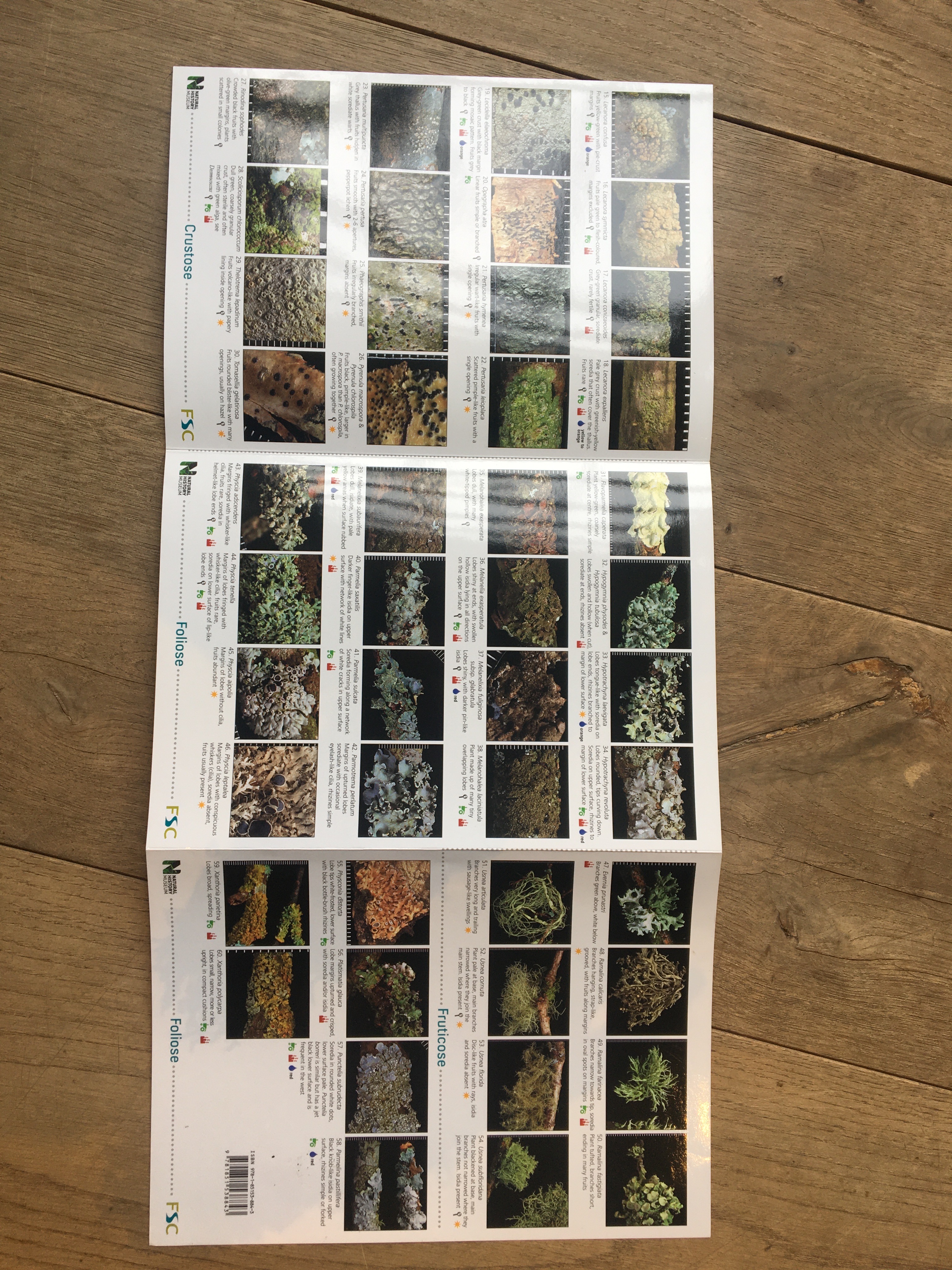
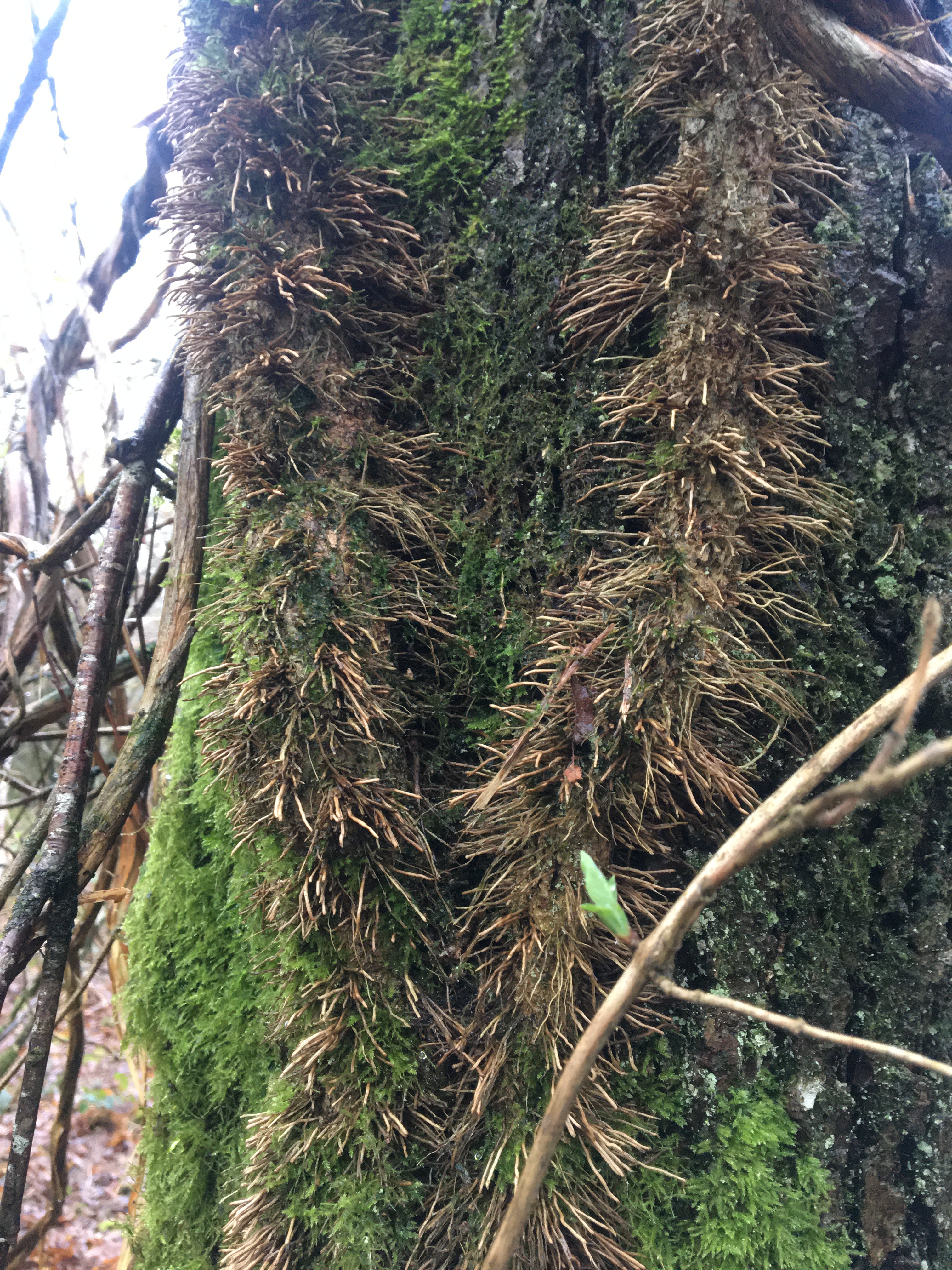
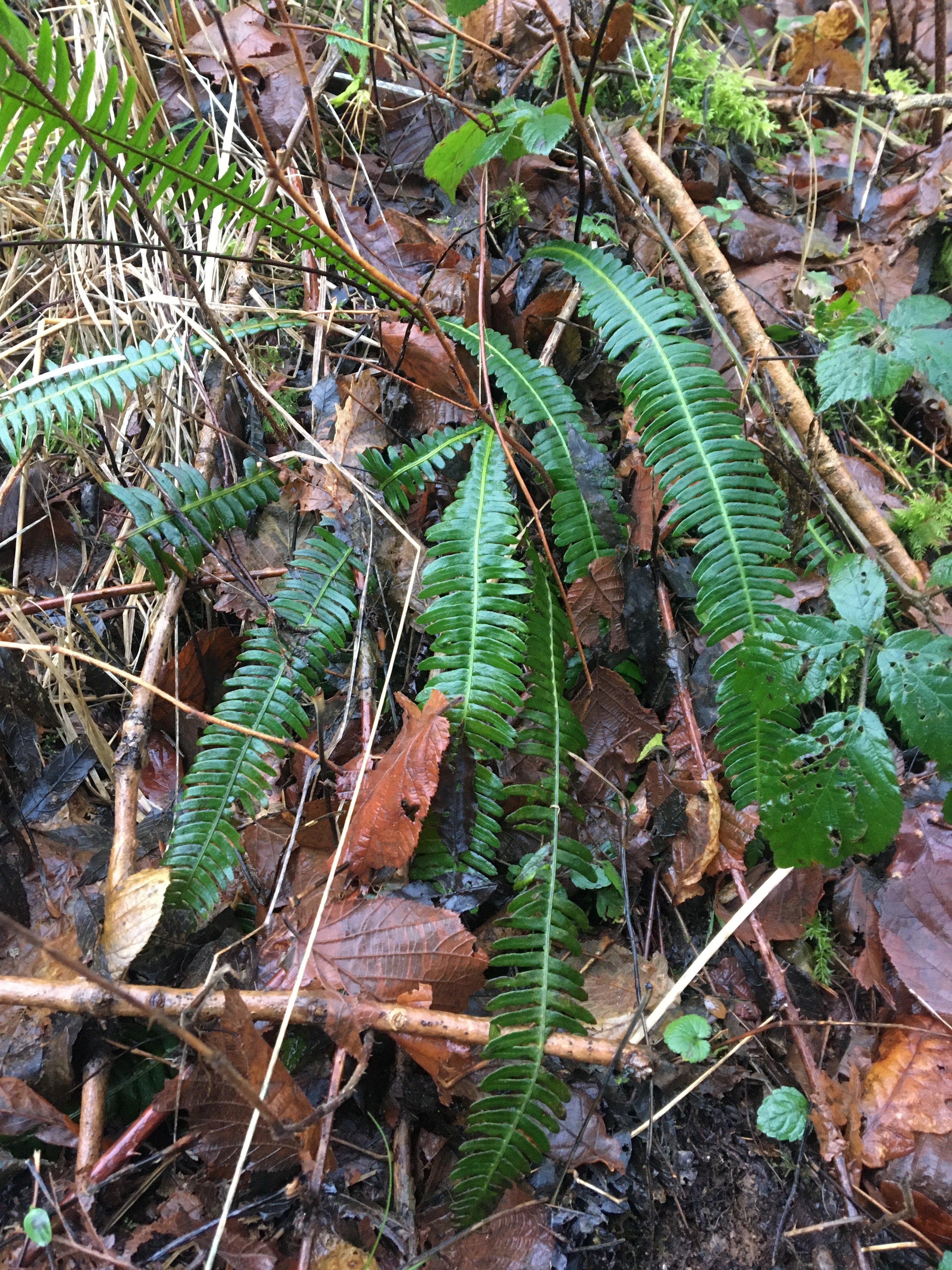
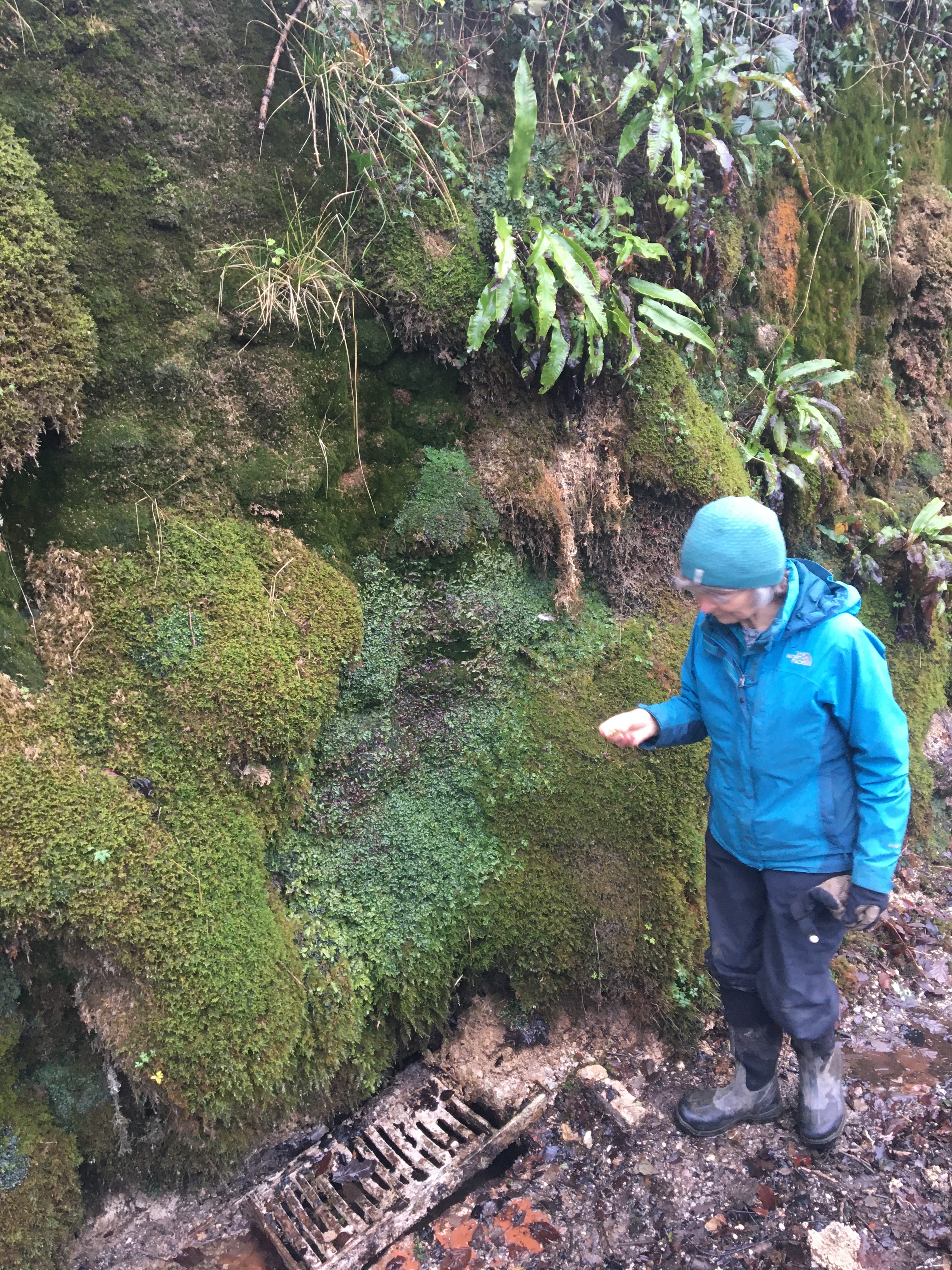
However, it is not just different environments, but also biological species that might serve as autographic visualisations of climate emergency. Jennifer Gabrys, for example, writes about organisms as environmental proxies and indexes of ecosystem conditions: ‘[…] indicator species of lichens and mosses and other organisms that can be studied as expressions of environmental processes, whether for atmospheric pollutant levels, radioactivity, or different types of mineral depositions in soil’ (Gabrys 2016: 124). This means that, for example, the proliferation of jellyfish species in the oceans turns their skyrocketing population growth into the autographic diagram of global ocean acidification. The same idea is expressed by Offenhuber (2019) when he refers to synthetic biology as offering possibilities to design objects and organisms with autographic qualities. So whether by direct (bio-)design intervention or by naturally occurring capacities in some individuals or the whole population of some organisms, they diagram the change that massively influences their modes of existence. This should not be that surprising given how organisms are irrevocably tied to their environment, in a sort of metabolic flux where each life-form stands for the temporary compression of its external conditions, following, for example, von Uexküll’s theory of Umwelt (2010).
- examples of organisms of environment as autographic visualisations and in term indexes of broader thing
Given these examples, we declare the human-made climate emergency as a medium of indication and planetary framing of the archival processes of the Earth, that unfolds through different environments and biological species. Human-accelerated ecological processes thus become a method of autographic design. In opposition to material traces that can be simply observed with some training, the human-induced climate change is a large scale autographic design operation that was not even planned to be one. Without explicit human intention, effects of climate change reveal the unintentional archival processes of human cultural activities by the Earth: a geo-epistemic serendipity which implies non-human processes of distancing and distinguishing that are too sensitive for human perception of the world. Hence, the climate crisis enables a specific mode of more-than-human visualisation to emerge, an opportunity to reveal the dimensions of the memory space of the Earth itself.
- autographic visualisations of the environment that speaks of a broader climate issues which is itself an autographic visualisations on a planetary scale
This ‘tragedy’ might be further conceptualized in Virilio’s (2003, see also Bratton 2006: 21) vocabulary of integral accidents, where every technology is treated from the point of view of the new genre of the accident it generates: the blackout comes with the electric grid, the plane crash comes with the aeroplane. If images are nowadays technical tools rather than simple representations – as it is in case of operational images – even images and visualisation techniques might be judged as bringing a new kind of catastrophe into the world: the disappearance of an external object the image used to relate to. Even planetary imagery then carries its integral accident: our visualisations of the Earth are eating the Earth at the same time they capture it, as it is the technological infrastructure of the vast machine, largely dependent on the fossil fuel industry, that drives the climate crisis modelled by the very same infrastructures (Hu 2015: 79-80). To see the ageing of the tree diagrammed in the tree rings, we cut the tree. To see the planetary dynamics, we set the planet on fire.
- a technique of integral accident; to see more broadly what technology does, you see it from the perspective of what it does wrong in the world. Good exercise to understand an d survey different forms of visualisations. one much see them all from what they don’t do (or do negatively) to analyse which could do a certain thin the best…

















 THINKING RESEARCH