things left to correct / fiddle with
- typo on the intro page
- edit out any last breathing /swallowing
- think about changing / ditching intro / out sections to make film more accessible…
Justina Alexandroff
things left to correct / fiddle with
making the copper and bronze structures for my spoil-based bio-materials
was a really fun process of problem solving and using scrap metals to form the findings
A large amount fo the work was in the filing of the objects once they had been soldiered


thinking about using this textile to make a neck hanging


went on a brilliant walk with Veryan. She could see so much under feet and all over. She has ana amazing search image for the tiniest plants and could tel you what they meant bout the ground and the history of the land.


in the future, as we move towards new energy systems we will perhaps find new ways to understand our relationship with extraction practices. the carbonscape is visibly embedded in the UK’s landscape and pose an opportunity to reengage with the planets metabolism and the way in which it transforms what humans categorise as waste into what the non human deam as a resourse.
due to the content of these hills they have their own temporal transition from the ecologies around them and through their own time frame, transform and effect the nature cultures they are placed within. from these sites of indirect extraction emerge different scales of non-human colonisation and different forms of vibrancy and volatility.
humans construct concepts of material waste whilst also committing cultural waste in the process. the concept of wasting something is ignoring its actor network and its potential to produce stories that may help form new understandings for the future.
the act of extraction is here reenacted by the individual through the process of walking and archiving. the scavenger evolves into the expert extractor of both the tangible and the intangible, the physical and the cultural….

i return often to the spoil hear, my chosen site of information extraction, in order to think and sit and wonder and be.
on a particularly beautiful afternoon, i was sat next to a fallen tree which had brought with its routes and abundance of spoil content exposed – that which was previously concealed by the very thin layer of misleading top soil. the natural processes of a large tree falling over had exposed the spoil contest and drew me too it. here a found an abundance of the slates and mudstones that the spoil is typically made ups from
then
i saw a glistening rock…


I brought it home and me and my brother pondered what it could be… eventually we deduced it might be tar and even a petro chemical plastic of sorts …
I decided to go back to the site again and EXTRACT my own resource.

I collect rock samples from 4 sites.


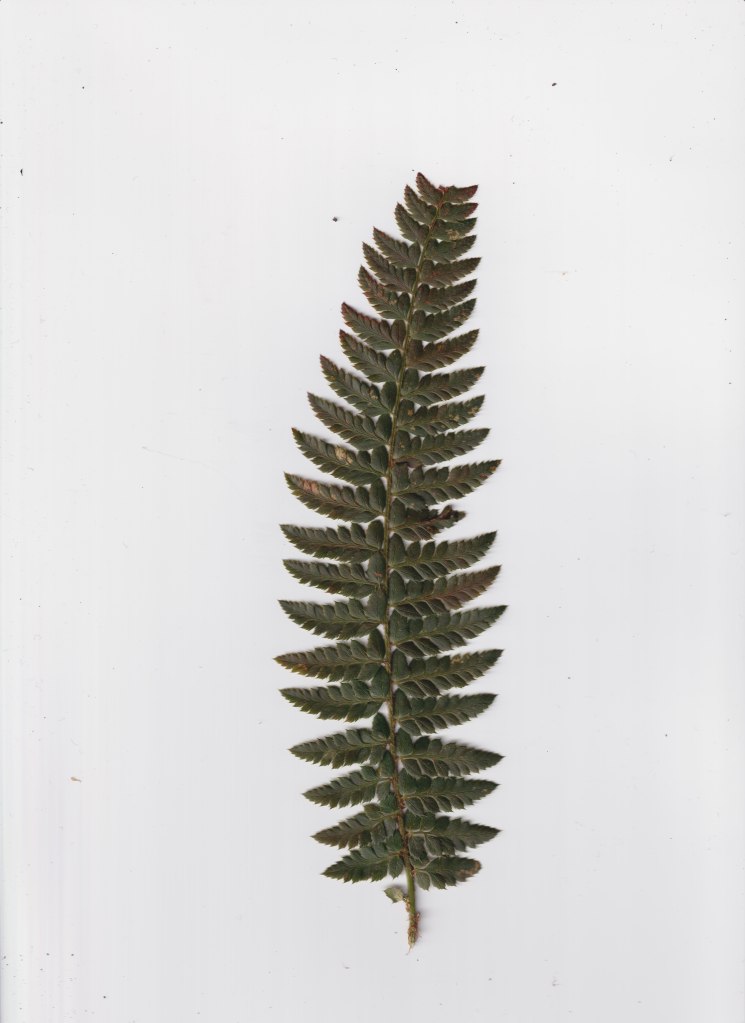
I collected every leaf I could find growing on the spoil and scanned them in at 1200 dpi when I got home:


contact sheet of some of the photos taken of site


performative engagement with environments. contact with the ground


 THINKING RESEARCH