hypocrisies and idiocy in planning documents for WCM


  1. The Report states that, when used, the coal extracted from the mine over its proposed 50 year extraction period “would emit around 420million tonnes CO2e” based on emissions factors produced by the Department for Business, Energy and Industrial Strategy 2017.
  2. The Report compares this figure to the total annual emissions tonnage of the UK, which it states was around 450million tonnes in the year 2018. The Report states that the UK’s annual emissions figure will “come down” as the UK progresses towards its net zero target.
  3. However, the Report fails to recognise three important factors. First, the Report suggests that the emissions from the use of the coal should be considered by the UK. However, it omits to acknowledge that some of WCM’s coal will be used in Europe, where these end-use emissions will occur as part of any Steel works development, that there is no statutory requirement for the UK to include these emissions in its carbon budgets. Indeed, the Climate Change Act 2008 (as amended), clearly defines emissions to be taken into account in UK carbon budgeting as at Section 29 1 (a) “”UK emissions”, in relation to a greenhouse gas, means emissions of that gas from sources in the United Kingdom;”. Accordingly, the emissions from non-UK steel makers should not be considered in the context of compliance with UK carbon accounting and budgets.

24. WCM accepts that the overwhelming majority of emissions from coal come from the end use of the product – i.e. after WCM has sold the coal to the steel makers. Therefore, WCM has no influence whatsoever over how the steel makers use the coal or improve their processes to reduce emissions. The use of the coal is no part of the Proposed Development before this committee.

WCM has also examined existing metallurgical coal supplies used by its target market. The vast majority of metallurgical coal is imported from the USA, and based on technical analysis and market research WCM believes that Cumbrian coal can be a major competitor in the European and UK steel making markets, as well as a direct substitute for those currently sourcing this type of coal from the USA.

15/03/21 – returning to COALford

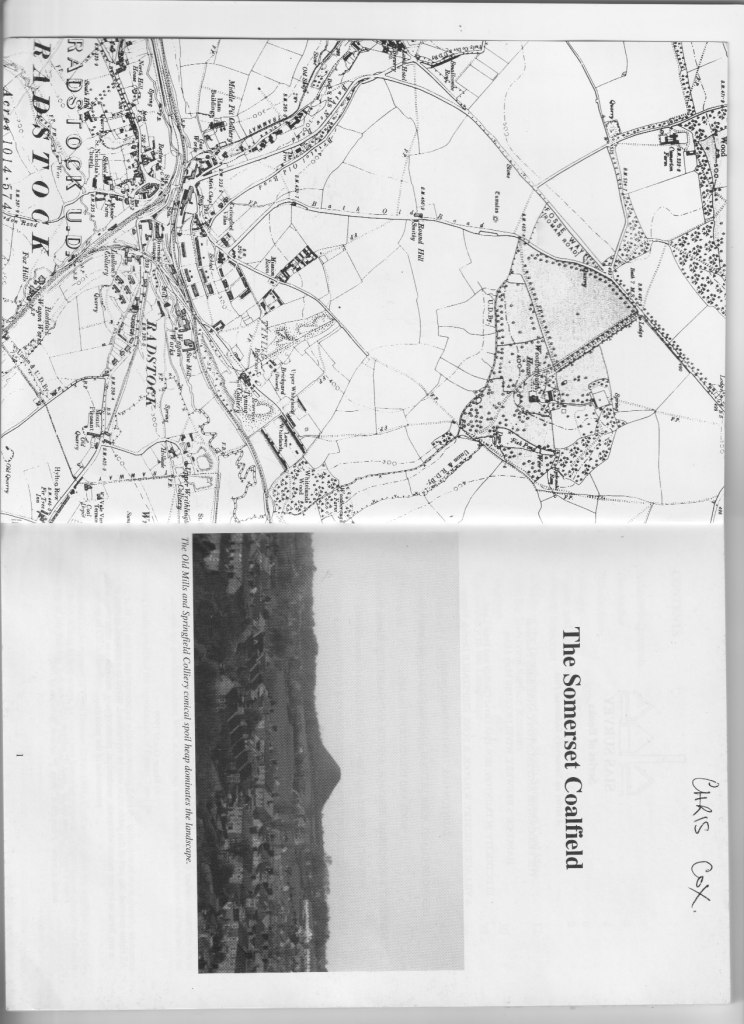
I am from a village called Coleford in Somerset… its by a river – the accent ford of the coal. it was most likely mined for coal by the romans.

I have always been aware of the practices of extraction that exist in my local as the sirens that sound before a limestone quarry blast reverberate throughout my family home ever since i can remember. My home county, like most in the UK, has been moulded by extraction. the architecture of the land autographically visualises this and my relationships with the community reflects this heritage. 

returning to somerset I begun looking into the abandoned mine shaft sites and the ecological typography of the surface remains, in order to explore how these practices travers across temporal and technological scales.

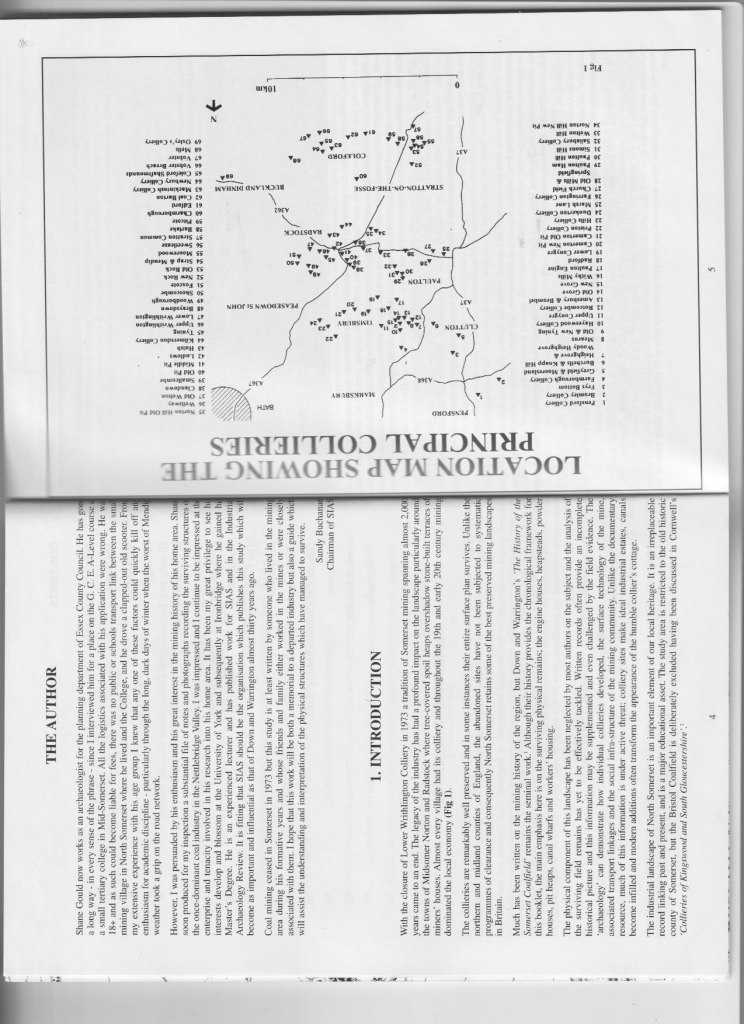
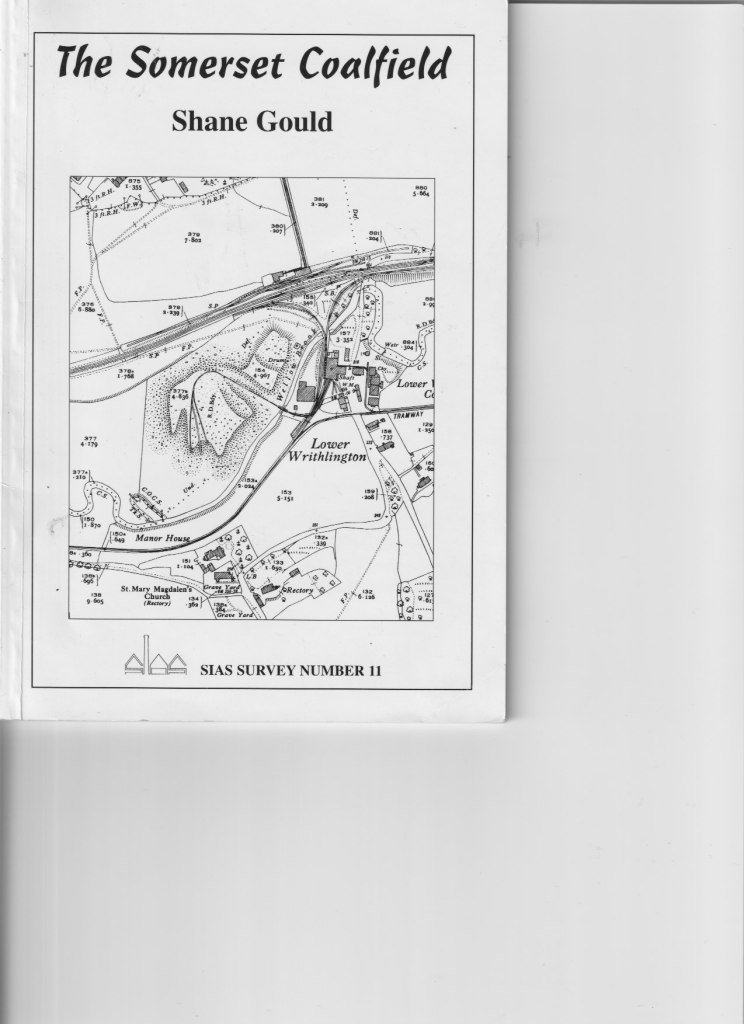
I spoke to the author of the book somerset coalfields – Shaun Gould

we discussed spoil heaps, the waste of the extraction that gets dumped in sites and how many of those in somerset have been fully reclaimed over the course of the last 100 years or so and some are even sites for fossil hunting workshops. they are mostly made up of red shales and clays and are now embedded parts of the landscape yet due to the temporality of the nonhuman, modern tips in their early life stage cause multiple types of pollutions across the uk

he spoke about the wonder of the left over spoil heaps and how many get used for special activities like fossil hunting. I think these spoil heaps are interesting spaces to interact with as they are an example of how the spaces can look with with time and wilding. gentle remediation can help this. liming for example to help the usually low Ph of these acid mounds.. stunting growth.

visiting and photographing vobster mine that was active in 1870’s !!!!!!!!

I visited more of the sites using both online maps and the book Shaun wrote.

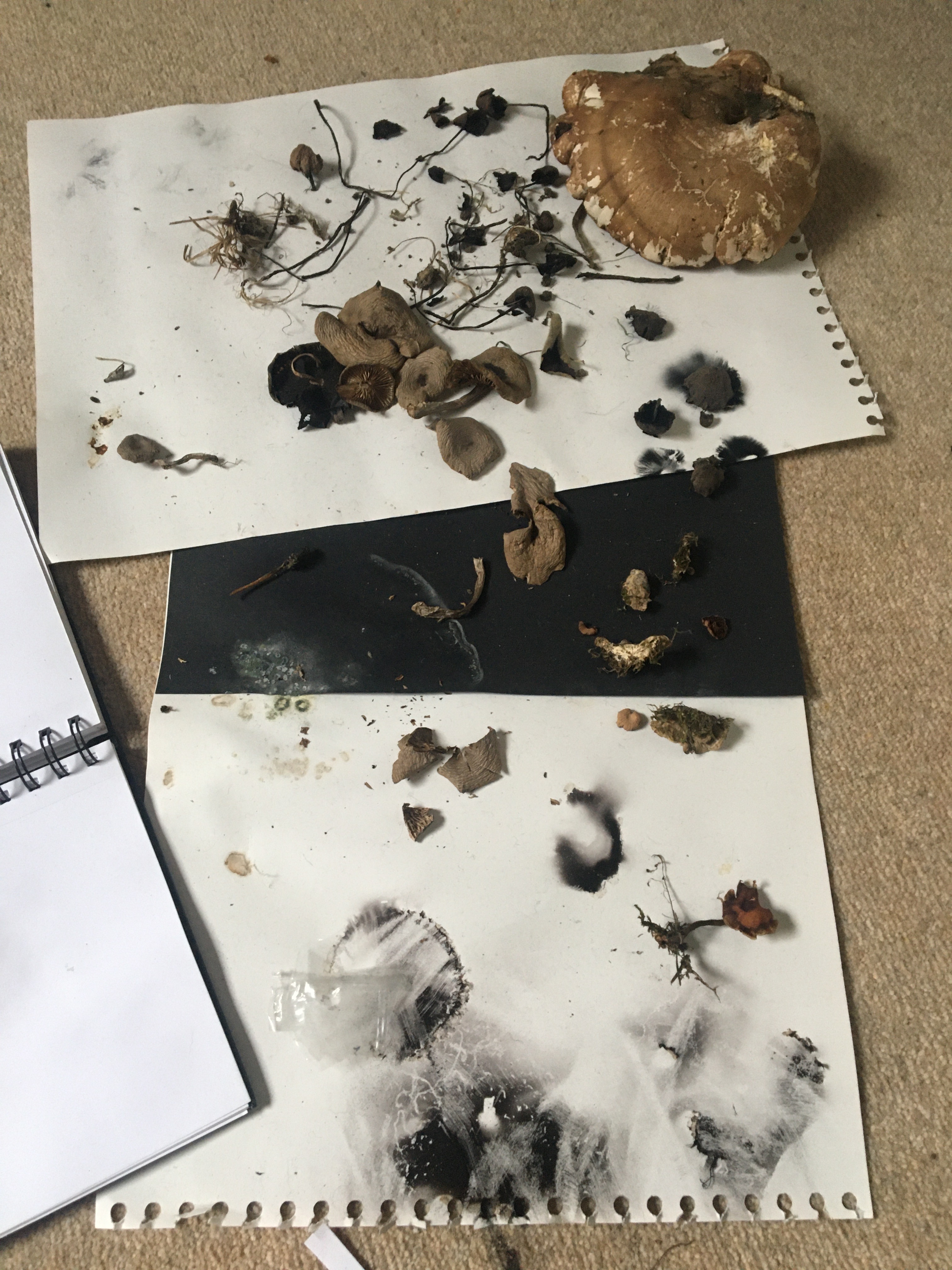
I begun archiving non-human artefacts from the sites i visited, attempting to understand these remnant architectures through new semiotics and to see how non-human objects corresponded across the sites.

graphic visualisation of how these objects become the unseen marker of this carbon scope network and its tangible remnants

things to read

  • one place after another site specific work (2004) BOOK – browse download
  • try and get hold of Art and Ecology now (2014)
  • ‘consider the lobster’ david foster wallace ESSAY
  • economic science fictions BOOK
  • discrouses around ER’s refusal ‘to hear it’: https://novaramedia.com/2020/09/03/socialism-or-extinction/
  • fairphone a dutch designed phone which is meant to highlight problems in the supply chain for regular phones. The intention (when they started) was never to sell phones, just to get apple to take supply management more seriously 
  • the podcast on virtue consumption I’d been listening to earlier today, link here, and you are in for a treat: when they’re good, the chapo podcasts are excellent. They’re also the only people I have come across who use the phrase Professional Managerial Class pejoratively. 
  • explore ideas around hegemony and theories around how societies come to a version of the truth.
    • Mark Fisher on capitalist realism
    • Chomsky on manufactured consent
    • Gramscian stuff about war of position could be interesting. 
    • Each would start to give another lens for looking at the same problem: that we’re not hearing it because society and culture are set up in such a way that we’re actively prevented from hearing it. 
  • unearthing the capitalocene
  • tentacular thinking
  • material worlds – recourse geography

carbonscape meditations…

objects that foster a meditation over our relationship to non-humans…

if i choose to explore objects that provoke sensitivity then is maybe worth looking at ritualist / spiritual objects designed for these kinds of purpose. how to meditate on human action and the non human networks and actors.

…..

A different direction to take it in might be critical objects that are meshed and distributed within capitalism / neo liberalism – the pillars of society that lay solid with in a foundation of hierarchical dominance of resource geographies.

could think more about the geo-political implications of this particular ‘local’ carbon scape. how is the uk coal seam actor networked more broadly…

in the current hegemony the prevails – even those that ‘are hearing it’ could use devices to meditate on human-non-human connection… directed at those that are sort of under capitalist realism, those that have shifted from denial.. to denial of the solution…

perhaps these objects are for those who see no hope in the future to resolves and protest issues environmental violence – the slow violence of these issues that will function under short term elevation of human suffering – through jobs – but long term damage to the nature-culture locals as the jobs are, by law, temporary and to the planet – not only in terms of the burning of carbon but also risks local degradation.. botanical displacement/damage, oceanic risk subsidence / red-shale piles

Catherine lu – PMC; professional managerial class… performative consumption… could this also tie-in with these religious objects and the appropriatory-nature of capitislt consumerism and this ‘performative consumption’ of ‘liberals’ (those such as EX who’s largest funder is a fund manager) and minimalism / recycling / greenwashing… the guize of degradability… the fashion of ‘sustainabitly’…

could use the slogans of such marketing campaigns… ‘totally degradable gloves’… weaved and thatched from a certain materials…

recycling repenting rosery ….

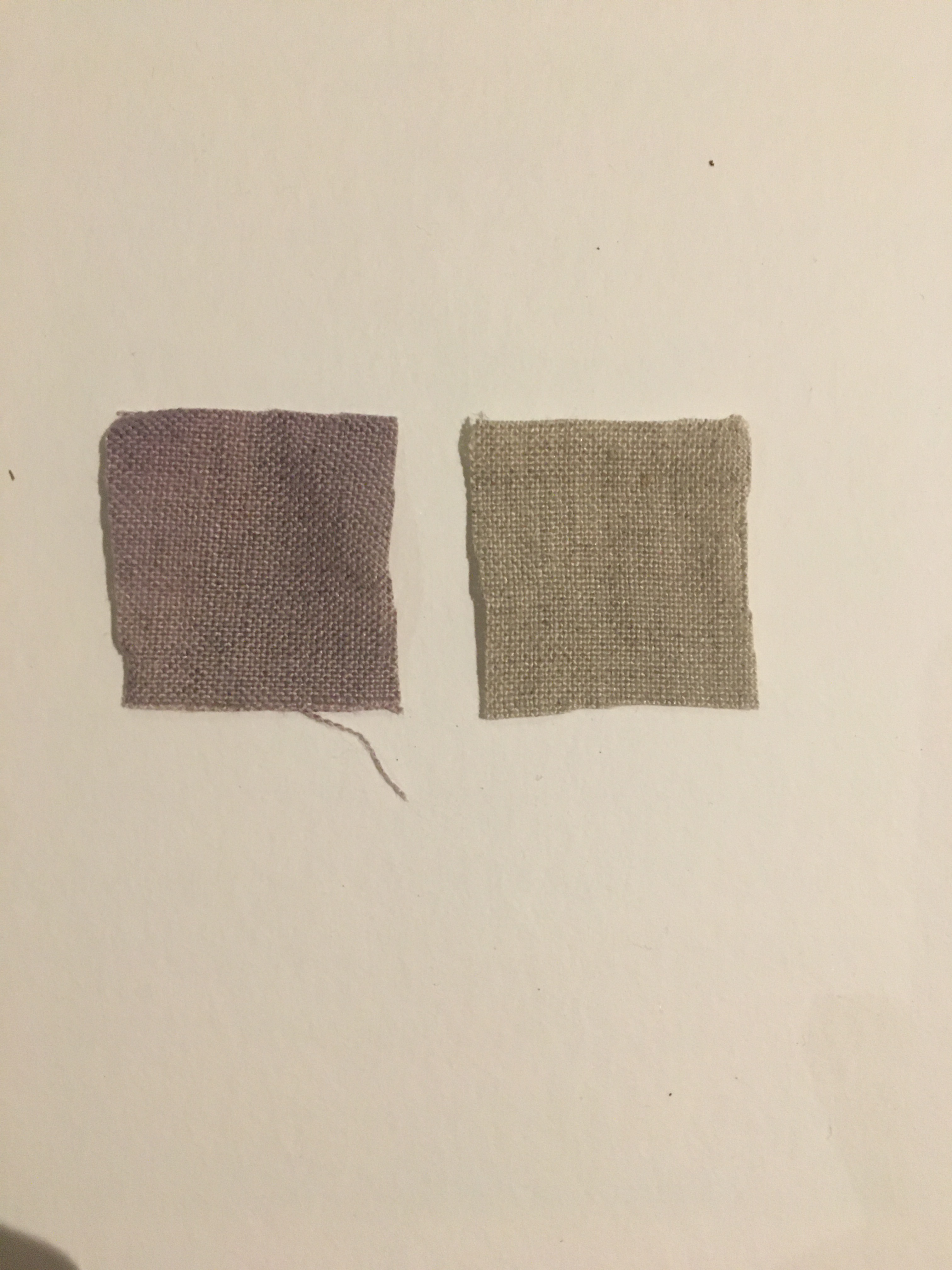
rosaries were once made from actual roses, its texture and smell aiding the ritualistic, mediation surrounding the religious object. I made beads from the same sensitive plant, looking to create emblems that have a textural, odorous and symbolic sensual-ness.

Resisting coal: Hydrocarbon politics and assemblages of protest in the UK and Indonesia

Resisting coal: Hydrocarbon politics and assemblages of protest in the UK and Indonesia
Benjamin Brown, Samuel J. Spiegel⁎
School of Social and Political Science, University of Edinburgh, United Kingdom (2017)

As Bridge (2009a: 43) writes, ‘underground lies a world of ‘natural production,’ the deep-time processes beyond human control that create the hydrocarbon con- centrations we know as fossil fuels…Above-ground and freed from geological fixity, energy is thrown into a tumultuous world of ‘social production’”. Once extracted from the ground, coal is no longer con- ceived of as organic matter – it becomes ‘privatized and converted into standardized, appropriable, deliverable units’ (Lohmann, 2016: 1), commodified and incorporated into circuits of capital accumulation. This act of translation serves to dis-embed coal from its conditions of production, concealing both its geological origins and the processes and practices that deliver it to global markets.

coal isn’t ‘energy’, coal is a material that we prescribe a notion of ‘energy’ to.

His research illustrates the integral role of fossil fuels in underpinning particular forms of political and economic power, and demonstrates how the physical attributes of coal – its bulkiness and heaviness – were instru- mental in producing new forms of mass politics across Europe in the nineteenth and early twentieth centuries. Coal required an extensive labour force to mine and transport it, and the energy on which in- dustrial capitalism depended became susceptible to disruption through strikes and sabotage at mines and railways, enabling workers to make effective democratic claims.

the physical qualities of coal are a large factor in the way in which large labour forces could form ‘collective action’ and effect politics through democratic claims…

materiality of something equates to how the individuals who are effected by and affect that material can collect and enforce chnage

this corresponds contentiously to digital realms and the way modern ‘pretest’ often happens in cyber space where there is a distinct lack of materiality… how to make the digital space of protest physical. how to make online petitions autographic… how to make ‘the act of signing autographic…. celebrity ‘autographs’…

Movements are distinct from organizations or singular events, since they present sustained, collective challenges to those in positions of power and are contingent on a collective identity, common purpose and the diffusion of shared beliefs amongst participants (Della Porta and Diani, 2009). 

While ‘modern’ environmentalism has a problematic history, marred by charges of elitism and racism (cf. Koseck, 2004), recent decades have witnessed the ascendance of new paradigms of environmental justice. Emerging critical approaches draw attention to the procedural inequities that occur when certain groups are ex- cluded from participating or marginalized in decision-making over re- source use, and the uneven distribution of environmental burdens and benefits as stratified by class, race and gender (Bell and Braun, 2010; Schlosberg and Collins, 2014; Urkidi and Walter, 2011).

Accordingly, there have also been efforts to challenge the Eurocentric representation of environmentalism as a purportedly ‘post-materialist’ movement, through highlighting the ‘environmentalism of the poor’, in which forest dwellers, peasant farmers, fishers and indigenous people have sought to preserve livelihoods by defending land and resources from encroachment by the state or capital (Martinez-Alier, 2014), and an ‘environmentalism of the malcontent’, using the example of protests against a coal power plant in Turkey to illustrate the different political logics which animate resistance. In this case, protests gained traction by incorporating a critique of neoliberal developmentalism and drawing attention to coercive and anti-democratic state tendencies, fore- grounding land acquisition, dispossession and displacement (Arsel

These insights have been supplemented by research from the Czech Republic, which demonstrates the significance of place attachment and broader political consciousness as important motives for participants engaging with anti-coal activity (Frantál, 2016), and from Colombia, emphasizing the anti-imperial character of resistance to coal mining following a long history of struggle against the foreign dom- ination and control of natural resources (Chomsky, 2016). 

place attachment as necessary component of effective mobilisation of protest

Anna Tsing’s points of ‘friction’ as movements operate under increasingly globalized processes that create ‘zones of awkward engagement’ between chains of different actors at the local, national and international level (Tsing, 2005: xi). Attention to this politics of scale, understanding coal to be embedded within a networked ‘socio-spatial struggle’ (Swyngedouw, 2004), is critical to understanding how social movements form and coalesce across boundaries, as transnational movements mobilize people in disparate locations around a common cause to produce new norms and solida- rities (cf. Della Porta and Diani, 2009).

‘zones of awkward engagement’… similar to the early point about engaging digitally and having no material enactment to ground the solidarity / moitvaton … should look into this more though.

browse book ‘Friction: An Ethnography of Global Connection’ by Anna Lowenhaupt Tsing + read paper reveiwing it https://www.jstor.org/stable/24497582?seq=2#metadata_info_tab_contents

Our approach is informed by recent geographical scholarship emphasizing the co-constitution of nature and society, envisioned variously as ‘socionature’ (Swyngedouw, 1999), ‘natureculture’ (Haraway, 2003), or material semiotic ‘hybrids’ (Latour, 1993; Law, 2009)

… words used by various theorists to describe the intersection of ecology and society

Following Haarstad and Wanvik (2016: 2), we pursue an exploration of carbonscapes‘the spaces created by material expressions of carbon-based energy systems and the institutional and cultural practices attached to them’, and deploy the notion of as- semblage to map out the dynamic web of relations between social ac- tors and the material world that they inhabit. Appel et al. (2015: 24) speak of ‘the varieties of actors, agents, infrastructures, processes and imaginaries – what we call the oil assemblage – that give shape to our contemporary iteration of hydrocarbon capitalism’, and coal is similarly entangled, contingent upon particular socio-technical arrangements that facilitate its extraction and conversion into energy.

Colin McFarlane (2009: 561) has described assemblages as ‘materially heterogeneous, practice-based, emergent and processual’, highlighting the ways in which overlapping material, discursive and collective relationships produce particular configurations of power at different scales and particular historical moments (cf. Ong and Collier, 2005). By drawing on these insights, we are better placed to understand processes of rupture and transformation around sites of extraction, as protest assemblages disrupt the logics of incumbent, carbon-based energy regimes.

Coal remains an important marker of culture, territory, and history; it was coal that birthed the labour movement and sustained the trade unions (Rees, 1985)

Until the Conservative government’s assault on miners’ unions in the 1980s, coalmining was at the heart of communities where it occurred, comprising the core of social identities and fostering a culture of camaraderie, solidarity and collective organization.

In the aftermath of pit closures and privatiza- tion, structural unemployment and social dislocation has continued to blight former coal communities, and memories of the 1984–5 miners’ strikes have cemented the totemic status of coalmining as a former bastion of the British working class (Chatterton, 2008; Parry, 2003).

Indeed, in the aftermath of plummeting prices for coal, which dropped from $218 per tonne in 2008 to $53 in 2015, the country is now witnessing the departure of some foreign mining companies as profitability falls and operators are reluctant to accept responsibilities for abandoned or exhausted coal seams (Jensen, 2016).

what happens in these aftermaths…?

The hostile reception to opencast mining in the Welsh valleys is indicative of coal’s ability to encapsulate multi-scalar, hybrid political imaginaries and of its material potency in driving new forms of col- lective action.

the material’s network is still capable of collecting actors (/agents?) despite not being formed by those physically employed to handle it..

FORECASTING EARTH FUTURES paper

cartographies and instrumental sensing environments becomes and become with the cosmology of a given place. these are malleable and can be unmade, remade, demade… this comes relevant as if i were to deconstruct a cite to understand how best to re relate us to it, to attune to it.

Adam Bobbette

FORECASTING EARTH FUTURES ….

Cosmologies make worlds in their own image. They are not just interpretations of the world or ideas projected onto the world. The cosmology that states that mantle convection determines crustal movement, the shape of continents, earthquakes and volcanoes, is a product of modern earth sciences, and modern earth sciences are the product of the spaces made by global networks of instruments and laboratories. This is the modern cosmology of the earth, our myth of earth, that is enacted in space in these networks, laboratories and instruments. Forecasting earthquakes, eruptions, and tsunamis, then, becomes material performance of the cosmology of plate tectonics and a means of testing it in the world. 3 In other words, forecasting becomes a way of testing the veridiction of a cosmology. Cosmologies are models of the earth that are built and extended in real space and transform the earth into their own image. Landscapes, then, are these built models made inhabitable and lived in.

3/02/21

As my report was attunment, when i was sat on a bench in frome listening to the original of Further Along, i thought about harmony. where is there harmony in natures sound? how could I make non sounding ecology make sound? how could I make that sound harmonious?

found this website called pixelsynth. turns 2D images into audio and has some interactions as you can fiddle with what kind of synth and the amount of notes etc.

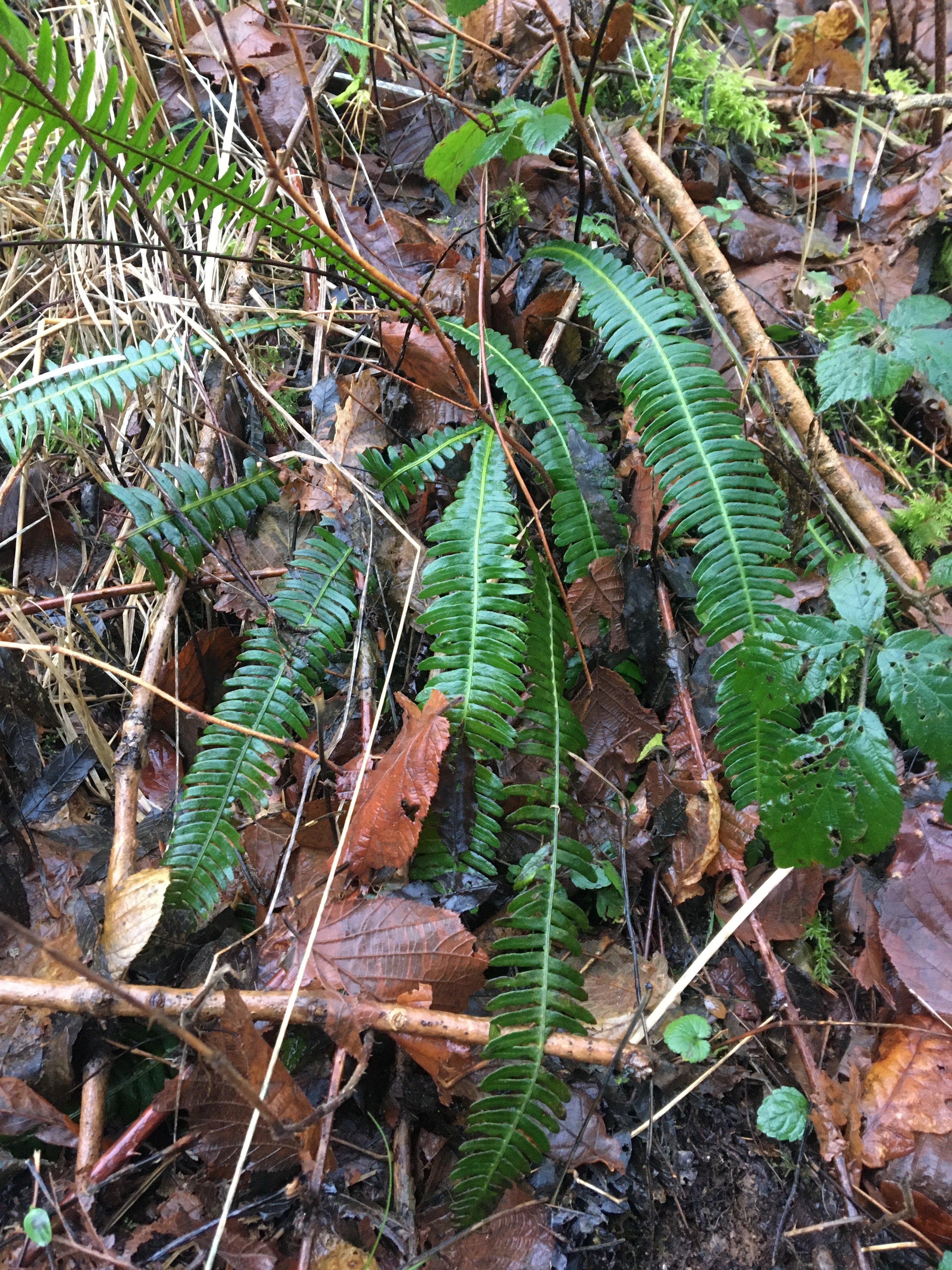
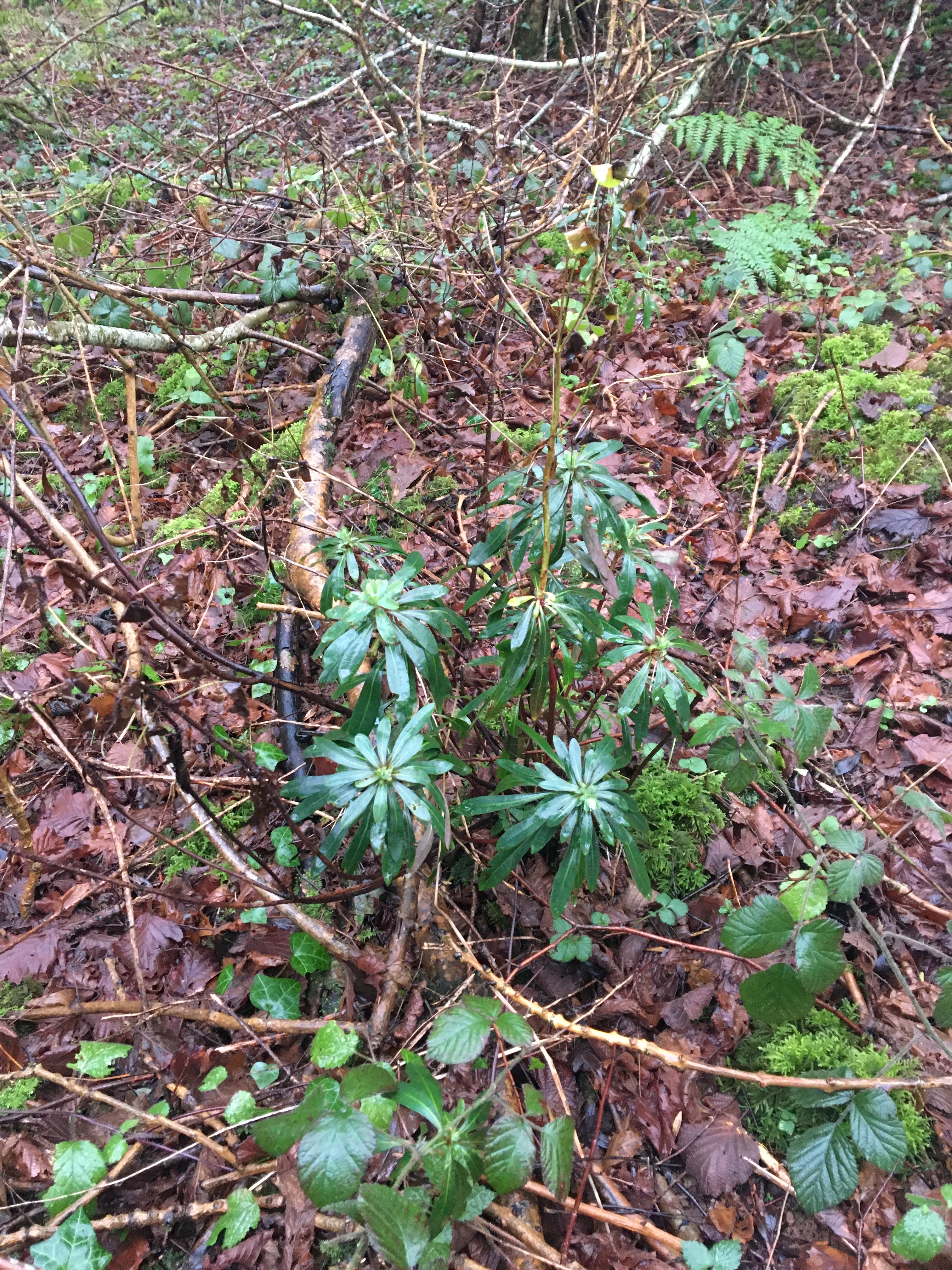
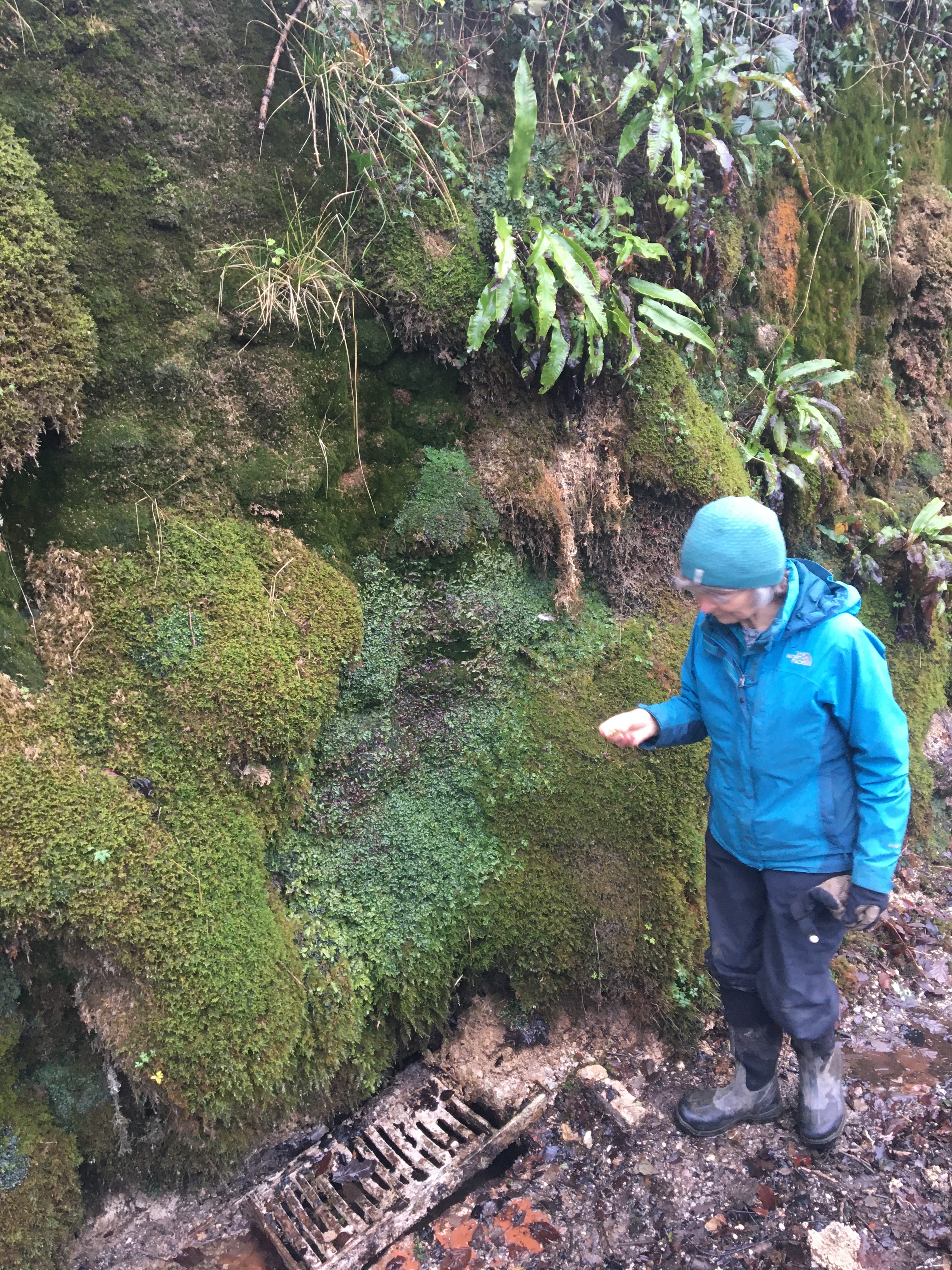
moss walk with veryan

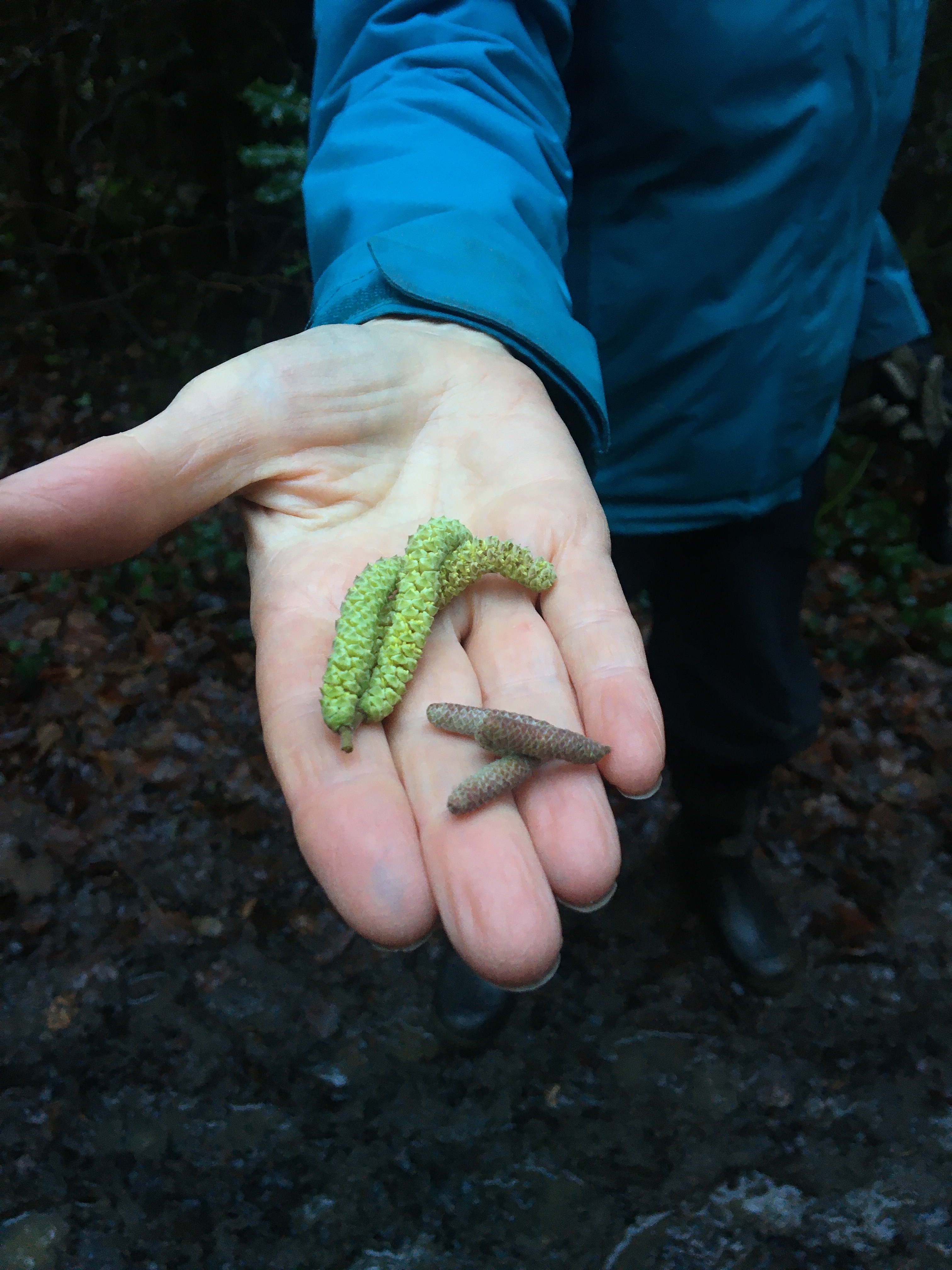
oka before ash you in for a splash, ash before oak and you’re in fo a soak. many sighs show us whether the spring has been unusually warm. this might be birds nesting earlier because trees are reacting to their soundings – there may not be enough food for it. If the oak leafs first every year, the ash is at a disadvantage. Could effect biodiversity if the oak is wining all the time