The Report states that, when used, the coal extracted from the mine over its proposed 50 year extraction period “would emit around 420million tonnes CO2e” based on emissions factors produced by the Department for Business, Energy and Industrial Strategy 2017.
The Report compares this figure to the total annual emissions tonnage of the UK, which it states was around 450million tonnes in the year 2018. The Report states that the UK’s annual emissions figure will “come down” as the UK progresses towards its net zero target.
However, the Report fails to recognise three important factors. First, the Report suggests that the emissions from the use of the coal should be considered by the UK. However, it omits to acknowledge that some of WCM’s coal will be used in Europe, where these end-use emissions will occur as part of any Steel works development, that there is no statutory requirement for the UK to include these emissions in its carbon budgets. Indeed, the Climate Change Act 2008 (as amended), clearly defines emissions to be taken into account in UK carbon budgeting as at Section 29 1 (a) “”UK emissions”, in relation to a greenhouse gas, means emissions of that gas from sources in the United Kingdom;”. Accordingly, the emissions from non-UK steel makers should not be considered in the context of compliance with UK carbon accounting and budgets.
24. WCM accepts that the overwhelming majority of emissions from coal come from the end use of the product – i.e. after WCM has sold the coal to the steel makers. Therefore, WCM has no influence whatsoever over how the steel makers use the coal or improve their processes to reduce emissions. The use of the coal is no part of the Proposed Development before this committee.
WCM has also examined existing metallurgical coal supplies used by its target market. The vast majority of metallurgical coal is imported from the USA, and based on technical analysis and market research WCM believes that Cumbrian coal can be a major competitor in the European and UK steel making markets, as well as a direct substitute for those currently sourcing this type of coal from the USA.
Shaping her thinking about the times called Anthropocene and “multi-faced Gaïa” (Stengers’s term) in companionable friction with Latour, Isabelle Stengers does not ask that we recompose ourselves to become able, perhaps, to “face Gaïa.” But like Latour and even more like Le Guin, one of her most generative SF writers, Stengers is adamant about changing the story. Focusing on intrusion rather than composition, Stengers calls Gaia a fearful and devastating power that intrudes on our categories of thought, that intrudes on thinking itself.10 Earth/Gaia is maker and destroyer, not resource to be exploited or ward to be protected or nursing mother promising nourishment. Gaia is not a person but complex systemic phenomena that compose a living planet. Gaia’s intrusion into our affairs is a radically materialist event that collects up multitudes. This intrusion threatens not life on Earth itself — microbes will adapt, to put it mildly — but threatens the livability of Earth for vast kinds, species, assemblages, and individuals in an “event” already under way called the Sixth Great Extinction.
But for now, notice that the Anthropocene obtained purchase in popular and scientific discourse in the context of ubiquitous urgent efforts to find ways of talking about, theorizing, modeling, and managing a Big Thing called Globalization. Climate-change modeling is a powerful positive feedback loop provoking change-of-state in systems of political and ecological discourses.17 That Paul Crutzen was both a Nobel laureate and an atmospheric chemist mattered. By 2008, many scientists around the world had adopted the not-yet-official but increasingly indispensable term;18 and myriad research projects, performances, installations, and conferences in the arts, social sciences, and humanities found the term mandatory in their naming and thinking, not least for facing both accelerating extinctions across all biological taxa and also multispecies, including human, immiseration across the expanse of Terra. Fossil-burning human beings seem intent on making as many new fossils as possible as fast as possible. They will be read in the strata of the rocks on the land and under the waters by the geologists of the very near future, if not already. Perhaps, instead of the fiery forest, the icon for the Anthropocene should be Burning Man!
The coke oven is a major source of fugitive air emissions. The coking process emits particulate matter (PM); volatile organic compounds (VOCs); polynuclear aromatic hydrocarbons (PAHs); methane, at approximately 100 grams per metric ton (g/t) of coke; ammonia; carbon monoxide; hydrogen sulfide (50–80 g/t of coke from pushing operations); hydrogen cyanide; and sulfur oxides, SOx (releasing 30% of sulfur in the feed). Significant amount of VOCs may also be released in by-product recovery operations.
For every ton of coke produced, approximately 0.7 to 7.4 kilograms (kg) of PM, 2.9 kg of SOx (ranging from 0.2 to 6.5 kg), 1.4 kg of nitrogen oxides (NOx), 0.1 kg of ammonia, and 3 kg of VOCs (including 2 kg of benzene) may be re- leased into the atmosphere if there is no vapor recovery system. Coal-handling operations may account for about 10% of the particulate load. Coal charging, coke pushing, and quenching are major sources of dust emissions.
mainly shales and clays (find out where some red shale spoil tips are around somerset)
From the early 1980’s, and certainly as far as the public funding of reclamation schemes is concerned, there has been a preference for redevelopment of ‘hard’ end-uses, such as commercial, industrial and residential, as opposed to ‘soft’ end-uses such as parks, amenity areas and gardens.
The ecology of such sites is also important. Growing awareness of conservation, habitat creation and protection suggests that reclaimed sites can make a positive contribution of ecological value, particularly where the presence of redundant infrastructure can act as wildlife corridors. Reclamation of contaminated land should therefore be looked upon as a valuable opportunity.
Derelict and contaminated land may be reclaimed to either ‘hard’ or ‘soft’ end uses. ‘Hard’ end uses are considered less sensitive, and involve developing the site for new building or associated hard surfaces, such as car parking facilities. There is little, if any, landscaping of such sites and the risk of contact with the contaminated material has generally been considered confined to building foundations and services which can be protected by engineering design. Developments to hard end uses are generally found in urban environments where land attracts a premium value. Reclamation of contaminated, urban sites has been based on the amount of work required to ensure the risk to man or animal life is low. Guidance on acceptable levels of contamination in soils is given in ICRCL 59/83, which addresses the risk of contamination in relation to threshold and action levels, for specific contaminants and the sensitivity of the proposed end use.
Pre-treatment of metal-contaminated soils with bacteria of genus Thiobacillus in order to remove metal ions by leaching (Olson et al. 1990) is an area of development in the future of soil metal decontamination.
the reclamation of former coal mines – JOURNAL
Freshly exposed colliery spoil often has a pH of 7 or more and may have a high electrical conductivity level. The high conductivity levels are often associated with high concentrations of sodium, calcium and magnesium and indicate elevated concentrations of dissolved salts. The most common salts of these elements are carbonates, sulphates and chlorides of which the carbonates are the most easily leached.
from spoil tip / environmental damage paper
2.5 Conclusions Ground and water contamination arising from the presence of colliery spoil heaps can present a considerable environmental problem in areas of past, and in some instances present, coal extraction. The physical and chemical characteristics of the material make spoil heaps susceptible to combustion, instability and a potential source of heavy metals
Pre-treatment of metal-contaminated soils with bacteria of genus Thiobacillus in order to remove metal ions by leaching (Olson et al. 1990) is an area of development in the future of soil metal decontamination.
2.2.1 Acid production due to pyrite oxidation The most influential chemical characteristic of many colliery spoils in terms of both pollution generation and preventing effective reclamation using vegetative techniques is the presence of pyrite (iron sulphide). Pyrite was precipitated as the result of coal and shale formation under highly reducing conditions. Sulphur is converted to sulphide (S2_) and the iron present is in the reduced, ferrous form (Fe2+). Pyrite is stable until exposed to air and water, when it is oxidised to produce amongst other products, acid. Seasonality will affect the rate of the oxidation reaction. Pyrite in colliery spoil can be oxidised by er oxygen or ferric ions. The reaction with oxygen is slow, whereas with ferric ions it is fast and catalysed by the bacterium Thiobacillus ferrooxidans.
The consequences of un-neutralised acidity on colliery spoil can be severe for plant growth. Cation exchange sites will become dominated by hydrogen ions with the resultant loss of bases previously occupying the sites. At low pH iron, aluminium, manganese, copper and zinc will come into solution creating toxic conditions. Aluminium and manganese can be very toxic in low concentrations in acid conditions (Berg & Vogel 1968, 1973). Low pH can also affect the availability of major nutrients. Phosphate can be fixed and made unavailable to plants at low pH (Doubleday 1972, Pulford & Duncan 1975) and potassium may be made unavailable by the formation of jarosite (Palmer 1978). Even moderately low pH can cause aluminium and manganese toxicity and inhibition of microbial activity resulting in a build up of un decomposed organic matter and inhibition of nitrogen mineralisation (Williams 1975).
Stacked from 77 images
playing with mineral imagery – pyrite and cubic crystals
Williams and Chadwick (1977) addressed the problems of seasonal fluctuations of plant available nutrients in acid spoil material, where macronutrients may be low and toxicity levels high. They state that such ations may have considerable significance in the establishment and survival of vegetation, and that the effects of these fluctuations may be even greater in the surface layers of the spoil because of the variation in spoil temperature and moisture. Their study of Mitchell’s Main colliery spoil heap in south Yorkshire showed significant seasonal variations in the levels of several elements in acidic colliery spoil and that addition of limestone reduced both the concentration of these elements and the seasonal variation. It was concluded that the solubility of aluminium, manganese, copper, zinc and iron are closely controlled by soil pH. The decline of pH during the summer months was considered to be the result of more favourable conditions for pyrite oxidation due to high soil temperatures. Accumulation of the reaction products then occurred due to the lower rates of leaching.
Control of pyrite oxidation and the generation of acid has, most commonly, been addressed by the addition of lime (CaC03 or Ca(0H)2) to the colliery spoil, thus neutralising the existing acidity and controlling potential acidity by inhibiting the bacterial oxidation of pyrite.
heap names
Shilbottle spoil heap (PASSIVE TREATMENT OF SEVERELY CONTAMINATED COLLIERY SPOIL LEACHATE USING A PERMEABLE REACTIVE BARRIER – paper)
Brodsworth Tip (earthworm remediation – paper)
Like other South Yorkshire colliery tips, at Brodsworth pH is almost certainly limiting and needs amelioration if the vegetation is to be typical of the area. Such a proposition would mean an immense engineering project to change the whole tip from an acidic clayey shale to a soil rich in Magnesian Limestone. p 39pg 40 has succession of materials that formed geological layerspg 72 – 4.8. Summary. The limitations to plant life in spoil on the main tip are; 1. The very low pH.
2. Conductivity beyond the range which will support growth.
3. Higher sulphate levels than can normally be tolerated by plants, and.
4. In acid conditions, phosphorus becomes fixed by combining with iron forming FePO^, and aluminium from the clay minerals forming AIPO4 .
9.1.1. The tip at Brodsworth.
The ecology of the tip under investigation has been studied, and it shows many similarities with those examined by other researchers, both in regard to spoil and vegetation growing on the main part.
Sufficient history, from map studies chiefly, has been found to indicate that the contrasting vegetation at the west end of the tip is probably due to local soil, rich in Magnesian Limestone, being dumped there at the building of the A1(M), trunk road. Historical studies also indicate that the tip material consists mainly of rocks produced by sinking the shaft, together with waste produced during the first few years of production only. Tipping on the site probably ceased by 1920 or shortly after that date and the tip was shortened by the intrusion of the A1 (M).
Soil studies indicate that the rocks, mainly shales, have weathered on the surface to clays. These clays are not rich in plant nutrients, and due to the presence of oxidising Pyrite, have low pH.
Studies of the spoil and plant life on Brodsworth tip indicate that there is slow succession taking place. Over the greater part of the tip, Betula sp. were dominant, and associated species typical of coal measures vegetation are present. There was successful colonisation of local plant species, including calcicoles, at the west end of the tip where it appears that topsoil had been added. However on other local sites, topsoil was eroding, so that topsoiling is not a universal panacea.
Several areas of the tip are devoid of vascular plants. These areas had lower pH than the vegetated parts
Cofnod Conference 2020 – Spectacular Spoil: An Overlooked Wildlife Habitat – Liam Olds (SOUTH WALSE)
Liam Olds of Colliery Spoil Biodiversity Initiative presents how coal spoil can form a wonderfully rich habitat for plants and animals. He looks at how these habitats
I am from a village called Coleford in Somerset… its by a river – the accent ford of the coal. it was most likely mined for coal by the romans.
I have always been aware of the practices of extraction that exist in my local as the sirens that sound before a limestone quarry blast reverberate throughout my family home ever since i can remember. My home county, like most in the UK, has been moulded by extraction. the architecture of the land autographically visualises this and my relationships with the community reflects this heritage.
returning to somerset I begun looking into the abandoned mine shaft sites and the ecological typography of the surface remains, in order to explore how these practices travers across temporal and technological scales.
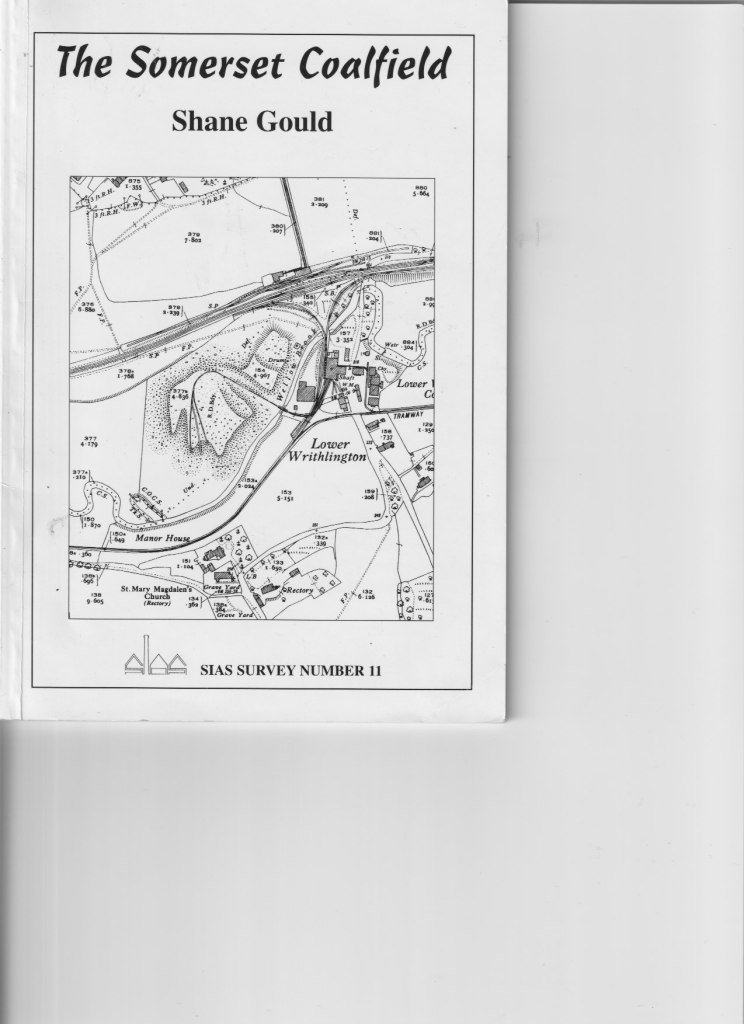
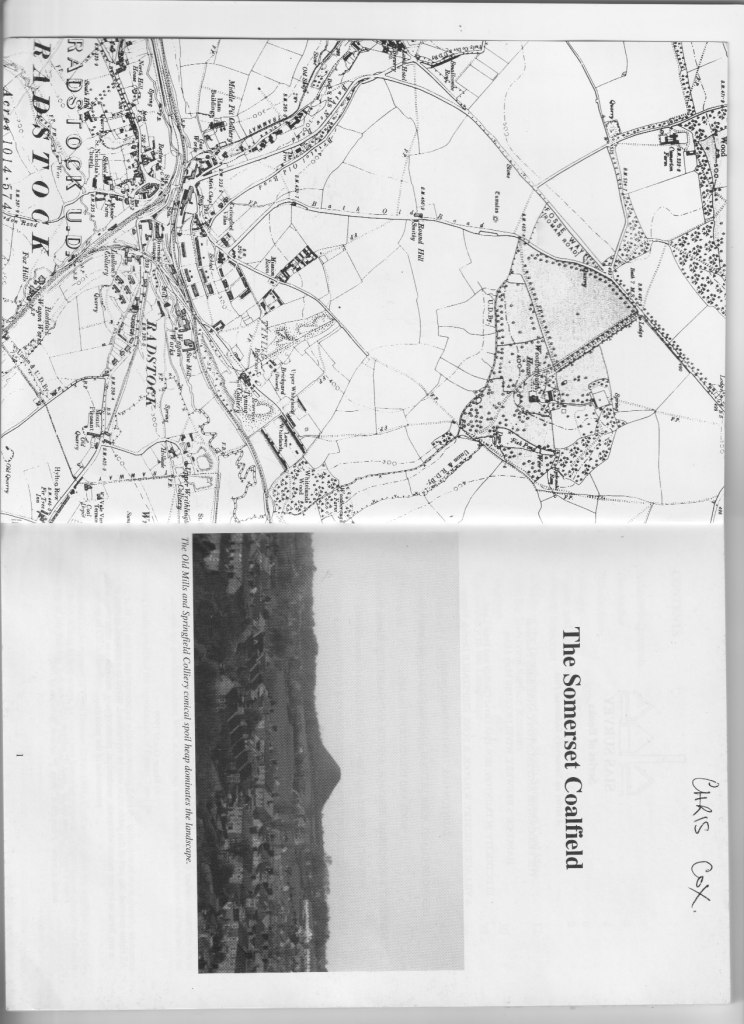
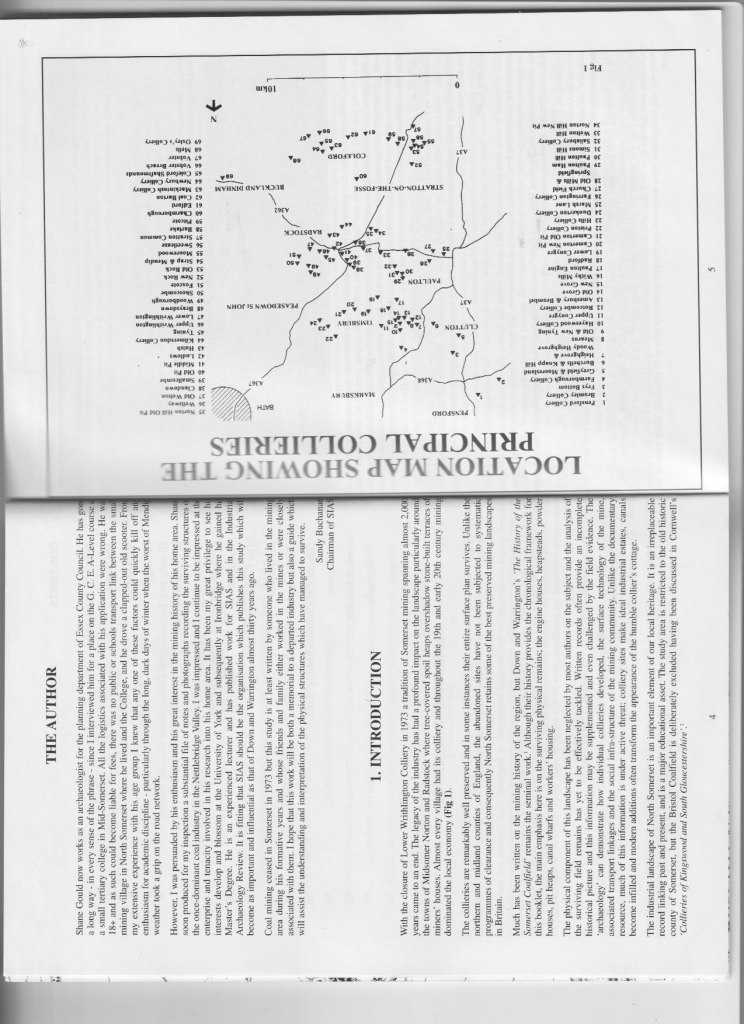
I spoke to the author of the book somerset coalfields – Shaun Gould
we discussed spoil heaps, the waste of the extraction that gets dumped in sites and how many of those in somerset have been fully reclaimed over the course of the last 100 years or so and some are even sites for fossil hunting workshops. they are mostly made up of red shales and clays and are now embedded parts of the landscape yet due to the temporality of the nonhuman, modern tips in their early life stage cause multiple types of pollutions across the uk
he spoke about the wonder of the left over spoil heaps and how many get used for special activities like fossil hunting. I think these spoil heaps are interesting spaces to interact with as they are an example of how the spaces can look with with time and wilding. gentle remediation can help this. liming for example to help the usually low Ph of these acid mounds.. stunting growth.
visiting and photographing vobster mine that was active in 1870’s !!!!!!!!
I visited more of the sites using both online maps and the book Shaun wrote.
I begun archiving non-human artefacts from the sites i visited, attempting to understand these remnant architectures through new semiotics and to see how non-human objects corresponded across the sites.
graphic visualisation of how these objects become the unseen marker of this carbon scope network and its tangible remnants
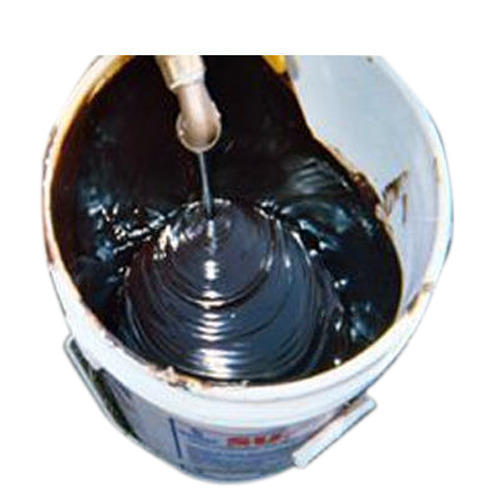
Coal tar is a viscous liquid mixture of hydrocarbon compounds, derived along with coke, from the de- structive distillation of coal in coking ovens. Coal tar itself may be subjected to distillation, a process that separates groups of the components of coal tar from groups of others. The substances derived from this process are often called ‘coal tar distillates’
Cultural Hegemonic dominants as affecting how we address certain issues. our perception / resistance to a deep coal mine is affected and restricted by our inability to have ideologies beyond out dominate structures; capitalism, structures of labour, economic prosperity (neoliberalism), consumerism etc
‘cultural hegemony’
marxists philosophy
an intrinsic socio-political barrier to resisting acts that function at the expense of the climate.
from the Ancient Greek word hegemonia (ἡγεμονία) indicating leadership and rule. In political science, hegemony implies geopolitical imperial dominance with a component of indirect influence
not having a true influence of both
Antonio Gramsci – War of Position / War of Manoeuvre
The Italian Marxist, Antonio Gramsci, used the terms ‘War of Position’ and ‘War of Manoeuvre’ to indicate two different phases in the class struggle, and thus the appropriate strategies for revolutionaries to take. The War of Manoeuvre is, for Gramsci, the phase of open conflict between classes, where the outcome is decided by direct clashes between revolutionaries and the State. War of position, on the other hand, is the slow, hidden conflict, where forces seek to gain influence and power.
Mark Fisher – Capitalist realism
an inability to see beyond capitalism. an impossible vision of an alternative
Noam Chomsky – manufactured consent
mass media / corporations / governmental figures that are entirely intertwined for the two former; all contribute to the propaganda that allows us to function within their profit driven desires.
consenting to dominant structures through an ability to know that they are creating your consent without your self awareness.
fairphone a dutch designed phone which is meant to highlight problems in the supply chain for regular phones. The intention (when they started) was never to sell phones, just to get apple to take supply management more seriously
the podcast on virtue consumption I’d been listening to earlier today, link here, and you are in for a treat: when they’re good, the chapo podcasts are excellent. They’re also the only people I have come across who use the phrase Professional Managerial Class pejoratively.
explore ideas around hegemony and theories around how societies come to a version of the truth.
Mark Fisher on capitalist realism
Chomsky on manufactured consent
Gramscian stuff about war of position could be interesting.
Each would start to give another lens for looking at the same problem: that we’re not hearing it because society and culture are set up in such a way that we’re actively prevented from hearing it.
objects that foster a meditation over our relationship to non-humans…
if i choose to explore objects that provoke sensitivity then is maybe worth looking at ritualist / spiritual objects designed for these kinds of purpose. how to meditate on human action and the non human networks and actors.
…..
A different direction to take it in might be critical objects that are meshed and distributed within capitalism / neo liberalism – the pillars of society that lay solid with in a foundation of hierarchical dominance of resource geographies.
could think more about the geo-political implications of this particular ‘local’ carbon scape. how is the uk coal seam actor networked more broadly…
in the current hegemony the prevails – even those that ‘are hearing it’ could use devices to meditate on human-non-human connection… directed at those that are sort of under capitalist realism, those that have shifted from denial.. to denial of the solution…
perhaps these objects are for those who see no hope in the future to resolves and protest issues environmental violence – the slow violence of these issues that will function under short term elevation of human suffering – through jobs – but long term damage to the nature-culture locals as the jobs are, by law, temporary and to the planet – not only in terms of the burning of carbon but also risks local degradation.. botanical displacement/damage, oceanic risk subsidence / red-shale piles
Catherine lu – PMC; professional managerial class… performative consumption… could this also tie-in with these religious objects and the appropriatory-nature of capitislt consumerism and this ‘performative consumption’ of ‘liberals’ (those such as EX who’s largest funder is a fund manager) and minimalism / recycling / greenwashing… the guize of degradability… the fashion of ‘sustainabitly’…
could use the slogans of such marketing campaigns… ‘totally degradable gloves’… weaved and thatched from a certain materials…
recycling repenting rosery ….
rosaries were once made from actual roses, its texture and smell aiding the ritualistic, mediation surrounding the religious object. I made beads from the same sensitive plant, looking to create emblems that have a textural, odorous and symbolic sensual-ness.
returning to methods of translating the latent material trace as a way to render sensitivity, i thought about how the terraformation of the architectures of coal extraction become visual markers of a local geological configuration. the remnants of something beyond most peoples phenomenological experience. to test alternative formats within my interests in carbonscape I visualised a map of all the known collieries in England to begin to see the how they correspond to the geologically identified coal seams below.
thought about building a blender visualisation of the coal seams that lie below the uk…
as an extra to the exploded maps that just show how architectures of coal extraction are autographic visualisations of geology / time….
in the case of the Woodhouse colliery plans, the architecture of the extraction site becomes symbol of the 136 cubic meter mineral coal seam below the Irish sea….
produced some graphics to visualise this data
I like working in this digital aesthetic for these kinds of infographics, it seems to both mimic and mock the aesthetic of digitised and informative corporate imagery – those deployed to imply hierarchy and informed academic understandings of these wicked issues. they act as a visual persuasion…






 THINKING RESEARCH