sensual speculative objects

how can the botanical environments surrounding human extraction practices inform an understanding of our current pursuit of fossil fuels.

should i be using / infiltrating the objects used in these practices…

  • the high-vis
  • rubber gloves
  • metal checks
  • instruments that make noise… machinery/traffic…
  • tooth paste / cosmetics (that use coal)

connect these objects with the materials / non human that act / protest / resist

  • red shale… silts, clays -by products / sandstones that line coal seams
  • sensate plants – plants that are either pollutant sensitive or hyperaccumulators / bio/phytoremediators
  • architectures that visualise geological stratum – call seams seen through mine entrances

….

gloves

what would it feel like putting on a glove made from fine sands/clays/shales… other types of stratum that lie next to coal that are excavated in the process and dumped in tips.

the high vis

the high-vis gillet is used to create visibility. could use it as an object that makes something ‘visible’ through its patter..

would be interesting to use the effect light some how – through metal engraving that changes a shiny surface to matt so it wouldn’t reflect light when lit up…

thinking about non-human cartographies as a subject matter to be the pattern of the vest..

graphic depicting the placements of know coal mines over geological data of the coal seams in the uk…

architectures of extraction become autographic visualisations of latent geology…

could even be derived and be ‘usable’ maps that included postcodes / coordinates – so that they could be visited in a sort of ritualistic / pilgrimage

checks

checks are brass and alloy metal disks theatre used to check in and out of shift. maybe interest object to critically recreate…

wondering if this is a place to infiltrate the smell senes …. could make beads from the ‘sensitive’ plants like to used to do with rosaries (made from boiled down roses

sorbaria sorbifolia (false spirea) …. + painted black bead in the place of flower made bead…

….

how could a provide on non human sensitivity through sound…?

  • maybe, like with the mushroom spores; ‘translate’ the tattoos formed by ozone sensitive plants like tobacco Bel W3 strain…

^ test what the edited/inverted sounds like in pixelsynth

can’t think yet what an object to eat/taste would be…

exploring sensitive materials

could i plant ‘sensitive’ plants in materials… could sweat fuel the plant – the interaction between two sensitive beings, accumulating each there….

testing with cress seeds as they are fast growing. they have started sprouting in just 3 days and are trying their best to embed routes but this is not long term as eventually the will have nowhere to go and the agar will no longer be able too sustain them…

wearing the material…

sensitive botanicals…

if protest requires sensitivity – looking at plants sensitivity to pollutants as a form of resistance / protest

(remediating sensitivity:)

  • aster spp – hyper accumulator of heavy metals like lead, selenium, cadmium
  • euphorbia characias – hyper accumulator of lead and arsenic 
  • salvia nemorosa / officinalis – bioaccumulator of heavy metals like zinc (makes it wilt)

injury sensitivity :

  • Osmanthus delavayi – bioindicator of sulphur dioxide pollution
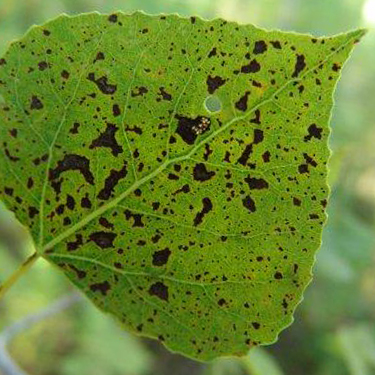
  • sambucus racemosa – ozone damage to leaves 
  • sorbaria sorbifolia – phytoremediation or particulates / sensitive to ozone 
  • symohoricarpos albus – bioremediator of of heavy metals like iron and zinc / ozone sensitive via leaf injury

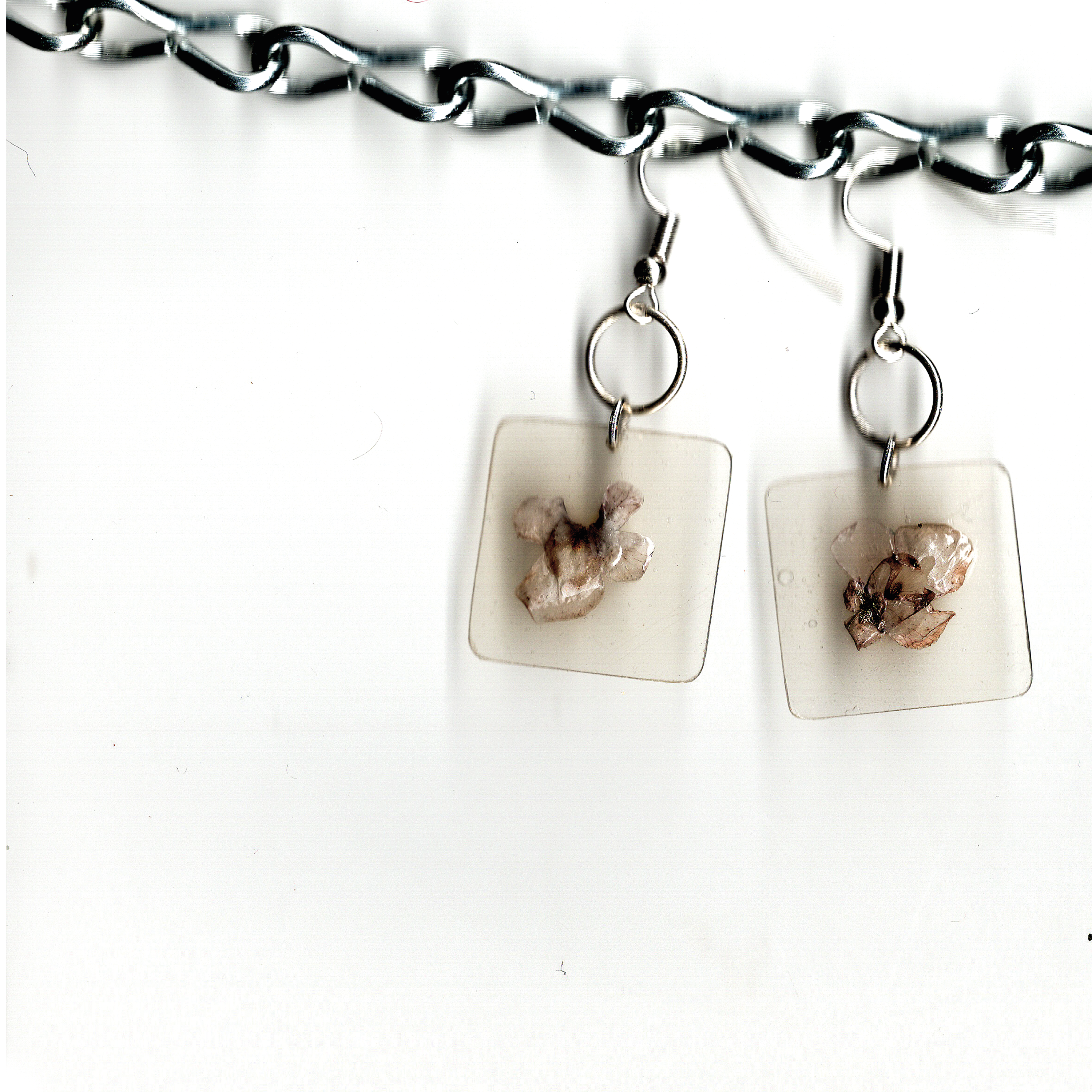
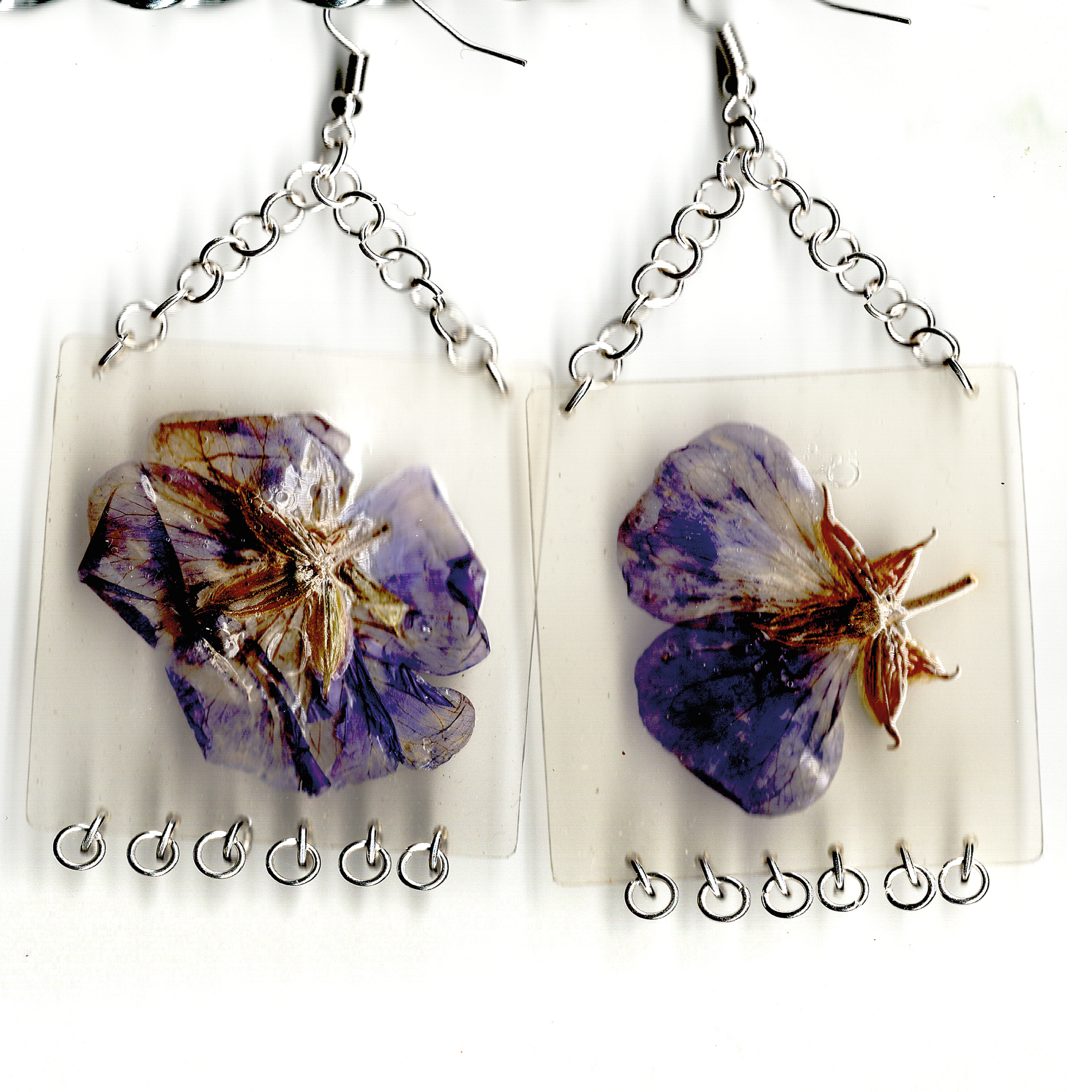
exploring ‘wearing’ sensitively…. submerging sensitive plants into bioplastics

sorbaria sorbifolia (false spirea) / geranium maculatum (cransbill geranium) / aster spp (smooth blue aster)

made lots – not all are specifically sensitive plants but wanted to just make designs to get going a bit…

now I would like to think more about the relevance of the actual design. as earrings hang from the ears they are places fairly near to to your smell… how could i infiltrate the human sense of smell…. these plants surely have odors…

I saw a video of rosary beads being made from actual roses regionally.. they apparently hold the smell of roses for long periods of time. maybe should make beads from the specific plants that has been memorialised in the bio plastics…?
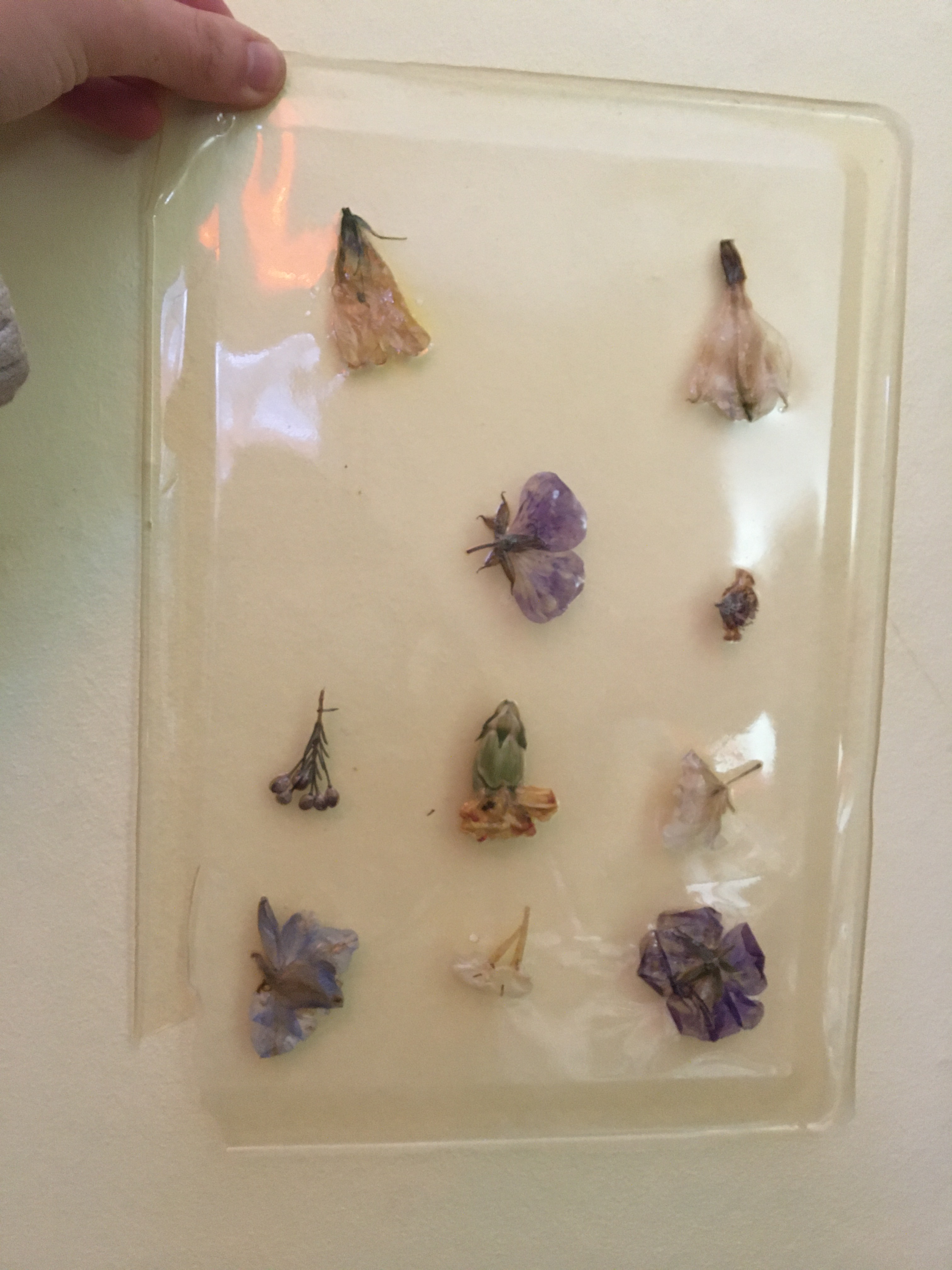
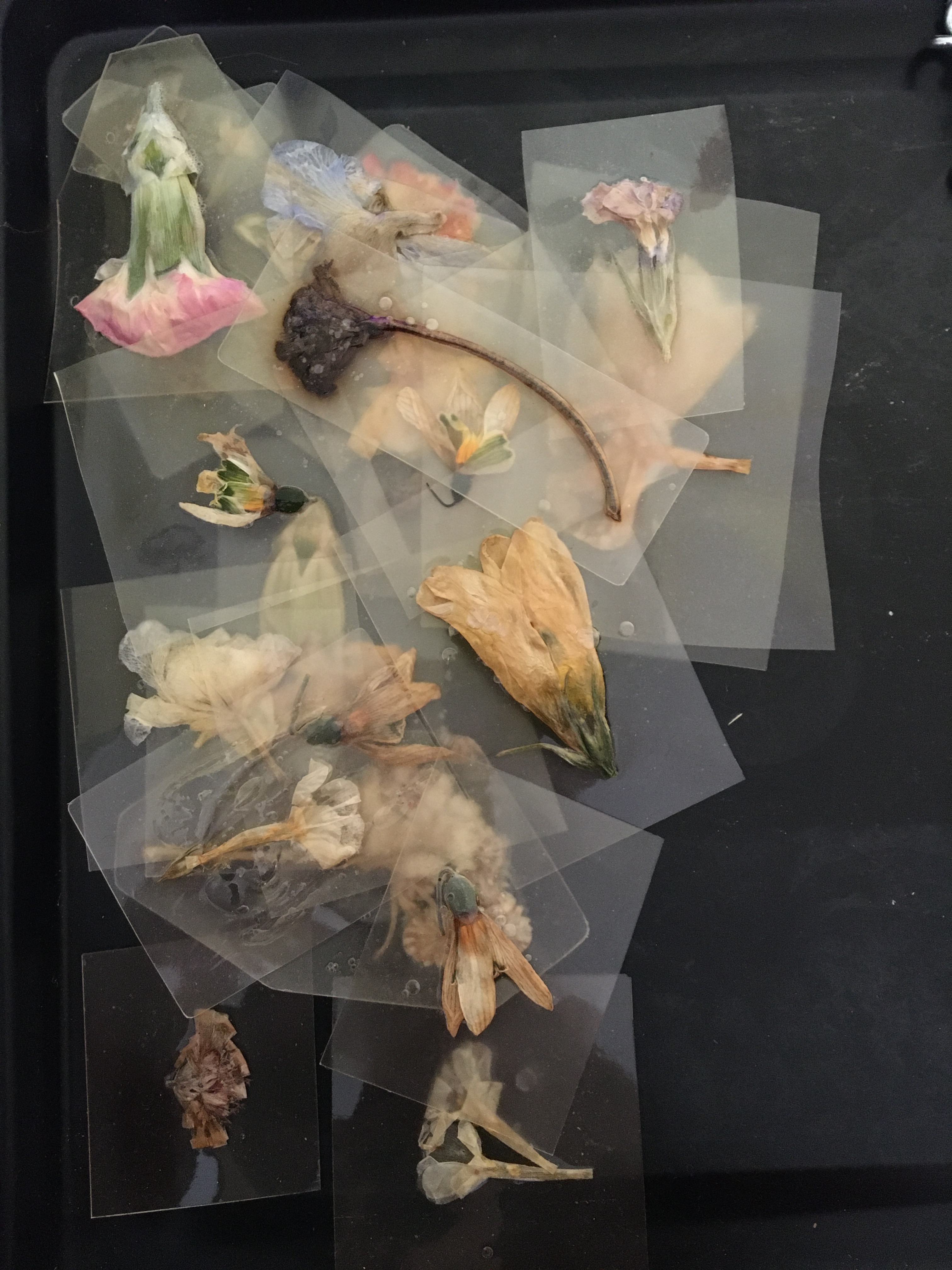
maybe the shapes of the bio plastics could correspond to the molecules the plant is sensitive to…..

minors would use these as a way to begin and end a shift. allow handed in at the start and brass at the end…..

byproducts of carbonscape

In England and Wales coal-bearing rocks are almost entirely confined to the Pennine and South Wales coal measures groups of the Upper Carboniferous (Westphalian) age. Coal seams occur at fairly regular intervals, interbedded mainly with claystones, siltstones and sandstones.

The underground working of coal at major collieries creates large volumes of waste or ‘spoil’, the disposal of which is one of the main potential causes of environmental impacts.

Some of the materials which were previously placed in the tips as unwanted and unusable waste materials now have a commercial use and several tips have been reworked to extract this previously discarded resource. This includes red shale but can also include quantities of coal which is now recoverable due to the availability of improved processing equipment. The most widespread impact of underground working, however, is caused by subsidence at the surface. A 1989 survey commissioned by ten Local Authorities in Derbyshire and Nottinghamshire (undertaken by Trent Polytechnic) revealed that 33,000 houses in the two counties had been affected by mining subsidence.

In Derbyshire, clay has been extracted almost exclusively from the coal measures of the exposed coalfield covering the area of the northern, eastern and southern Derbyshire. A wider range of clay types and qualities has been exploited supporting a variety of industries, including brick, pipes, refractories, sanitary ware, art and tableware. Brick clay occurs widely in Derbyshire and was supplied to a small number of brick manufactures, all of which have now closed. The southern part of Derbyshire is an important source of fireclays (used to make buff and pale facing bricks for example). Fireclays are sedimentary mudstones which underlie almost all seams and the close association with coal means that the supply is highly dependent on surface coal mining operations

(by-products of coal)

  • Methane gas is frequently released by coal mining operations and in some cases it can be recovered and used as a process fuel on site. Methane also collects in abandoned coal mines, sometimes in sufficient volumes for it to be extracted and used to generate electricity.
  • Colliery spoil is produced at all deep-mine operations and consists mainly of mudstone and siltstone. 

Worldwide, coal is the major fuel used for generating electricity. In 2016 (According to the International Energy Agency) coal was used to generate 40% of the world’s electricity and a third of all energy used worldwide. Coal also plays a crucial role in industries such as iron and steel.

slow protest

traditional protest can be seen as the use of masses of bodies in a given space in order be disruptive as a political mass organism. these events leave traces and can have the potential to change the emotional and physical cartography of a space. in this way they are autographic, thus gaining further attention due to the rupture of public understanding around a given issue. how else could i display resistance and how could the act become autographic? 

Through artists like lydya halcrow and theories of isabelle stengers and jenifer gabrys I found how ‘slow-ness’ could emerge as a countering concept of protest. the act of existing against the grain of capitalist productive-ness can be seen as resisting in a new time scale. walking can be resistance. I begun exploring the ways I could perform resistance, prototyping designs that would explore and combine these ideas. 

plants such as tobacco nicotina, strain Bel W3 autographically displays the air pollution of a given space through visual marks. the visualisation theorist dieter offenhuber has created autographic gardens within communities with poor air quality in order to provide citizens with the ability to sense their local environments. I begun creating wearable objects that could become discrete objects of protest through the dissemination of sensitive plants. 

could the act of wearing and walking also be disruptive – changing the sites cartography. I proposed walked route located at the proposed site of colliery architecture.

how could my act of slowness correspond to the awkward and figurative engagement of a petition? could the number of seeds dispersed correspond to the broader network of resistance, the mass of bodies being translated into the garden of disruption. what would happen to these seedlings once they were disseminated? would they be visited by the local community? would new desire paths emerge in the grasses? or would they just get removed? 

the issue around possible Geological Disposal Facility (GDF) in Cumbria

https://keepcumbriancoalinthehole.wordpress.com/2020/06/11/briefing-paper-radiological-implications-of-potential-seabed-subsidence-seismicity-fault-re-activation-beneath-the-cumbrian-mud-patch-induced-by-mass-removal/

This Briefing offers a review of the possible seabed morphological changes and marine pollution implications of the sub-sea coal mining venture proposed by West Cumbria Mining (WCM) at their Woodhouse Colliery site near St Bees Head.

WCM have designated and identified a sub-sea mining zone of the Irish Sea lying to the west of St Bees Head and extending at least 8kms offshore and southwards to within about 8km of the Sellafield site.

The WCM extraction proposals, using continuous mining methods, predict the extraction of approximately 3 million tonnes of coal per year over a 50 year period. This extraction rate will eventually generate a huge subterranean void space of approximately 136 million cubic metres (a volume greater than that of Wastwater Lake).

https://www.researchgate.net/publication/45626045_Diagenetic_reactivity_of_the_plutonium_in_marine_anoxic_sediments_Cumbrian_mud_patch_-_eastern_Irish_Sea

Since the early 1950s, low-level liquid radioactive wastes have been discharged into the north-eastern Irish Sea from the British Nuclear Fuels pcl reprocessing plant at Sellafield, Cumbria, UK. Annual discharges, including those of transuranium nuclides, peaked in the mid- to late- 1970s due to increased throughputs and reprocessing of residues, and thereafter declined as new treatment facilities were introduced. Overall, an estimated 120TBq of 238Pu, 611TBq of 239, 240Pu and 22 PBq of 241Pu have been discharged to the Irish Sea during the period 1952-2000

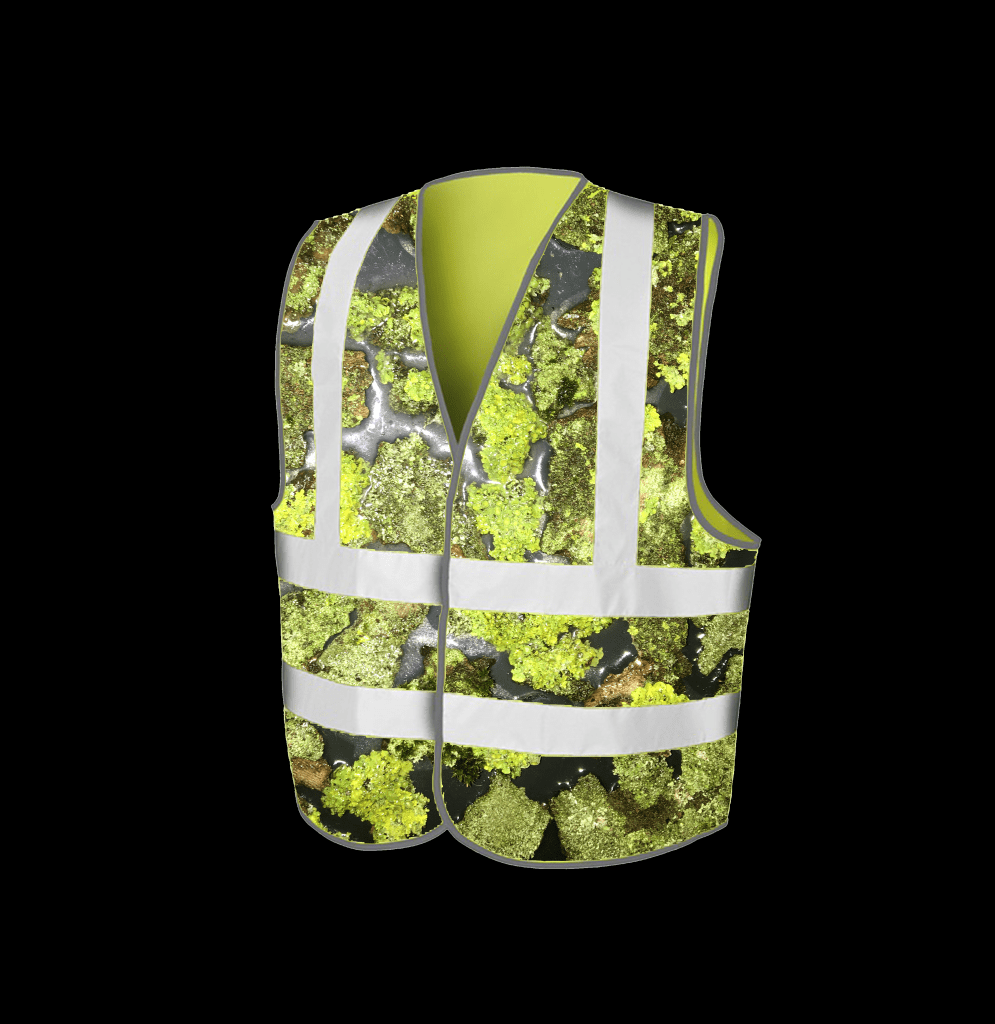
low-vis

visualising what a high-vis vest would look like if I made it from the lichen embedded bio plastics.

its qualities mean it will degrade… the impermanent and tenuous relationship between labourer and labour network. Uk has specific and hopefully non-contingent claims to be at 0 emissions by 2050……. the jobs provided by the cumbria are by law temporary.

the camouflage element kind of infers the fact minors have had to fight to receive visibility for economic justice. now, again, a new voice that surrounds the carbospace attempts to be heard – climate justice.

07/03/21

thoughts that are informing my thought

to start with: I am currently thinking more about resisting the use of fossil fuels as a form of sensitivity. those that acknowledge the evident damage of the profit driven economic system that props itself up on fossil fuels are those that (broadly) have become sensitive to the non-human.

how can i discuss the protest / resistance of environmental degradation through rendering new sensitivities to their autographic material traces…?

I have currently decided to focus on carbonscapes as a space to critically discuss sensitivity to the climate crisis in light of the backwards step of mining more fossil fuels when their energy use system is deriving us into a eco/genocide.

‘the spaces created by material expressions of carbon-based energy systems and the institutional and cultural practices attached to them’

I was drawn to this site because of the ‘obvious’ nature of fossil fuel = environmentalist trope / collective imaginary to do with ecological intimacy.. the the point where it perhaps sprouts little intimacy… little attainment. how can I in some way subvert this trope and the irony of its counted protest in a way that addresses actors networks and the non-human to human lens…

an extra conflict arises with coal resistance as such movements forms through ‘awkward zones of engagement’

Anna Tsing’s points of ‘friction’ as movements operate under increasingly globalized processes that create ‘zones of awkward engagement’ between chains of different actors at the local, national and international level (Tsing, 2005: xi). Attention to this politics of scale, understanding coal to be embedded within a networked ‘socio-spatial struggle’ 

these zones may grounded nearer to goals if the locals to the carbonscapes of coal collieries were on board… in the case of the Cumbiran mine, the locals face farce unemployment and hold deep histories with the coal industry so are more likely to no appose plans. A sort of pro extraction place attachment..

These insights have been supplemented by research from the Czech Republic, which demonstrates the significance of place attachment and broader political consciousness as important motives for participants engaging with anti-coal activity (Frantál, 2016)

Resisting coal: Hydrocarbon politics paper

those that protest it are an example of those sensitive – how can I create objects that evolve acts of resistance/protest through the practice of physically sensing. re imagining the material traces of past present and future extraction relationships through evolved objects of resistance …

to do this i would like to investigate how the non-human has visualised its own transition from networked actor within ‘nature’ to become a networked metaphorical actant that is assigned the title of ‘energy’ within natureculture.

‘underground lies a world of ‘natural production,’ the deep-time processes beyond human control that create the hydrocarbon con- centrations we know as fossil fuels…Above-ground and freed from geological fixity, energy is thrown into a tumultuous world of ‘social production’”

Bridge (2009a: 43) 

how can I create cartographies of human extraction practices through non-human experience of these practices. how can we become sensitive to and protest against the extraction of coal through a non-human visualisation of its existence.

separate to these maps i would like to discuss sensitivity to these issues through human-non-human sensitivity….

how can the sensitivity of biodiversity become an insight into how humans ‘sense’ the negative assemblage of carbonscapes.

Resisting coal: Hydrocarbon politics and assemblages of protest in the UK and Indonesia

Resisting coal: Hydrocarbon politics and assemblages of protest in the UK and Indonesia
Benjamin Brown, Samuel J. Spiegel⁎
School of Social and Political Science, University of Edinburgh, United Kingdom (2017)

As Bridge (2009a: 43) writes, ‘underground lies a world of ‘natural production,’ the deep-time processes beyond human control that create the hydrocarbon con- centrations we know as fossil fuels…Above-ground and freed from geological fixity, energy is thrown into a tumultuous world of ‘social production’”. Once extracted from the ground, coal is no longer con- ceived of as organic matter – it becomes ‘privatized and converted into standardized, appropriable, deliverable units’ (Lohmann, 2016: 1), commodified and incorporated into circuits of capital accumulation. This act of translation serves to dis-embed coal from its conditions of production, concealing both its geological origins and the processes and practices that deliver it to global markets.

coal isn’t ‘energy’, coal is a material that we prescribe a notion of ‘energy’ to.

His research illustrates the integral role of fossil fuels in underpinning particular forms of political and economic power, and demonstrates how the physical attributes of coal – its bulkiness and heaviness – were instru- mental in producing new forms of mass politics across Europe in the nineteenth and early twentieth centuries. Coal required an extensive labour force to mine and transport it, and the energy on which in- dustrial capitalism depended became susceptible to disruption through strikes and sabotage at mines and railways, enabling workers to make effective democratic claims.

the physical qualities of coal are a large factor in the way in which large labour forces could form ‘collective action’ and effect politics through democratic claims…

materiality of something equates to how the individuals who are effected by and affect that material can collect and enforce chnage

this corresponds contentiously to digital realms and the way modern ‘pretest’ often happens in cyber space where there is a distinct lack of materiality… how to make the digital space of protest physical. how to make online petitions autographic… how to make ‘the act of signing autographic…. celebrity ‘autographs’…

Movements are distinct from organizations or singular events, since they present sustained, collective challenges to those in positions of power and are contingent on a collective identity, common purpose and the diffusion of shared beliefs amongst participants (Della Porta and Diani, 2009). 

While ‘modern’ environmentalism has a problematic history, marred by charges of elitism and racism (cf. Koseck, 2004), recent decades have witnessed the ascendance of new paradigms of environmental justice. Emerging critical approaches draw attention to the procedural inequities that occur when certain groups are ex- cluded from participating or marginalized in decision-making over re- source use, and the uneven distribution of environmental burdens and benefits as stratified by class, race and gender (Bell and Braun, 2010; Schlosberg and Collins, 2014; Urkidi and Walter, 2011).

Accordingly, there have also been efforts to challenge the Eurocentric representation of environmentalism as a purportedly ‘post-materialist’ movement, through highlighting the ‘environmentalism of the poor’, in which forest dwellers, peasant farmers, fishers and indigenous people have sought to preserve livelihoods by defending land and resources from encroachment by the state or capital (Martinez-Alier, 2014), and an ‘environmentalism of the malcontent’, using the example of protests against a coal power plant in Turkey to illustrate the different political logics which animate resistance. In this case, protests gained traction by incorporating a critique of neoliberal developmentalism and drawing attention to coercive and anti-democratic state tendencies, fore- grounding land acquisition, dispossession and displacement (Arsel

These insights have been supplemented by research from the Czech Republic, which demonstrates the significance of place attachment and broader political consciousness as important motives for participants engaging with anti-coal activity (Frantál, 2016), and from Colombia, emphasizing the anti-imperial character of resistance to coal mining following a long history of struggle against the foreign dom- ination and control of natural resources (Chomsky, 2016). 

place attachment as necessary component of effective mobilisation of protest

Anna Tsing’s points of ‘friction’ as movements operate under increasingly globalized processes that create ‘zones of awkward engagement’ between chains of different actors at the local, national and international level (Tsing, 2005: xi). Attention to this politics of scale, understanding coal to be embedded within a networked ‘socio-spatial struggle’ (Swyngedouw, 2004), is critical to understanding how social movements form and coalesce across boundaries, as transnational movements mobilize people in disparate locations around a common cause to produce new norms and solida- rities (cf. Della Porta and Diani, 2009).

‘zones of awkward engagement’… similar to the early point about engaging digitally and having no material enactment to ground the solidarity / moitvaton … should look into this more though.

browse book ‘Friction: An Ethnography of Global Connection’ by Anna Lowenhaupt Tsing + read paper reveiwing it https://www.jstor.org/stable/24497582?seq=2#metadata_info_tab_contents

Our approach is informed by recent geographical scholarship emphasizing the co-constitution of nature and society, envisioned variously as ‘socionature’ (Swyngedouw, 1999), ‘natureculture’ (Haraway, 2003), or material semiotic ‘hybrids’ (Latour, 1993; Law, 2009)

… words used by various theorists to describe the intersection of ecology and society

Following Haarstad and Wanvik (2016: 2), we pursue an exploration of carbonscapes‘the spaces created by material expressions of carbon-based energy systems and the institutional and cultural practices attached to them’, and deploy the notion of as- semblage to map out the dynamic web of relations between social ac- tors and the material world that they inhabit. Appel et al. (2015: 24) speak of ‘the varieties of actors, agents, infrastructures, processes and imaginaries – what we call the oil assemblage – that give shape to our contemporary iteration of hydrocarbon capitalism’, and coal is similarly entangled, contingent upon particular socio-technical arrangements that facilitate its extraction and conversion into energy.

Colin McFarlane (2009: 561) has described assemblages as ‘materially heterogeneous, practice-based, emergent and processual’, highlighting the ways in which overlapping material, discursive and collective relationships produce particular configurations of power at different scales and particular historical moments (cf. Ong and Collier, 2005). By drawing on these insights, we are better placed to understand processes of rupture and transformation around sites of extraction, as protest assemblages disrupt the logics of incumbent, carbon-based energy regimes.

Coal remains an important marker of culture, territory, and history; it was coal that birthed the labour movement and sustained the trade unions (Rees, 1985)

Until the Conservative government’s assault on miners’ unions in the 1980s, coalmining was at the heart of communities where it occurred, comprising the core of social identities and fostering a culture of camaraderie, solidarity and collective organization.

In the aftermath of pit closures and privatiza- tion, structural unemployment and social dislocation has continued to blight former coal communities, and memories of the 1984–5 miners’ strikes have cemented the totemic status of coalmining as a former bastion of the British working class (Chatterton, 2008; Parry, 2003).

Indeed, in the aftermath of plummeting prices for coal, which dropped from $218 per tonne in 2008 to $53 in 2015, the country is now witnessing the departure of some foreign mining companies as profitability falls and operators are reluctant to accept responsibilities for abandoned or exhausted coal seams (Jensen, 2016).

what happens in these aftermaths…?

The hostile reception to opencast mining in the Welsh valleys is indicative of coal’s ability to encapsulate multi-scalar, hybrid political imaginaries and of its material potency in driving new forms of col- lective action.

the material’s network is still capable of collecting actors (/agents?) despite not being formed by those physically employed to handle it..