Wanted to explore the different voices of the mushroom; including the assemblage of it with other beings, ie; me. what does the smell of truffles that a wild bore burrow for sound like?
3/02/21
As my report was attunment, when i was sat on a bench in frome listening to the original of Further Along, i thought about harmony. where is there harmony in natures sound? how could I make non sounding ecology make sound? how could I make that sound harmonious?
found this website called pixelsynth. turns 2D images into audio and has some interactions as you can fiddle with what kind of synth and the amount of notes etc.


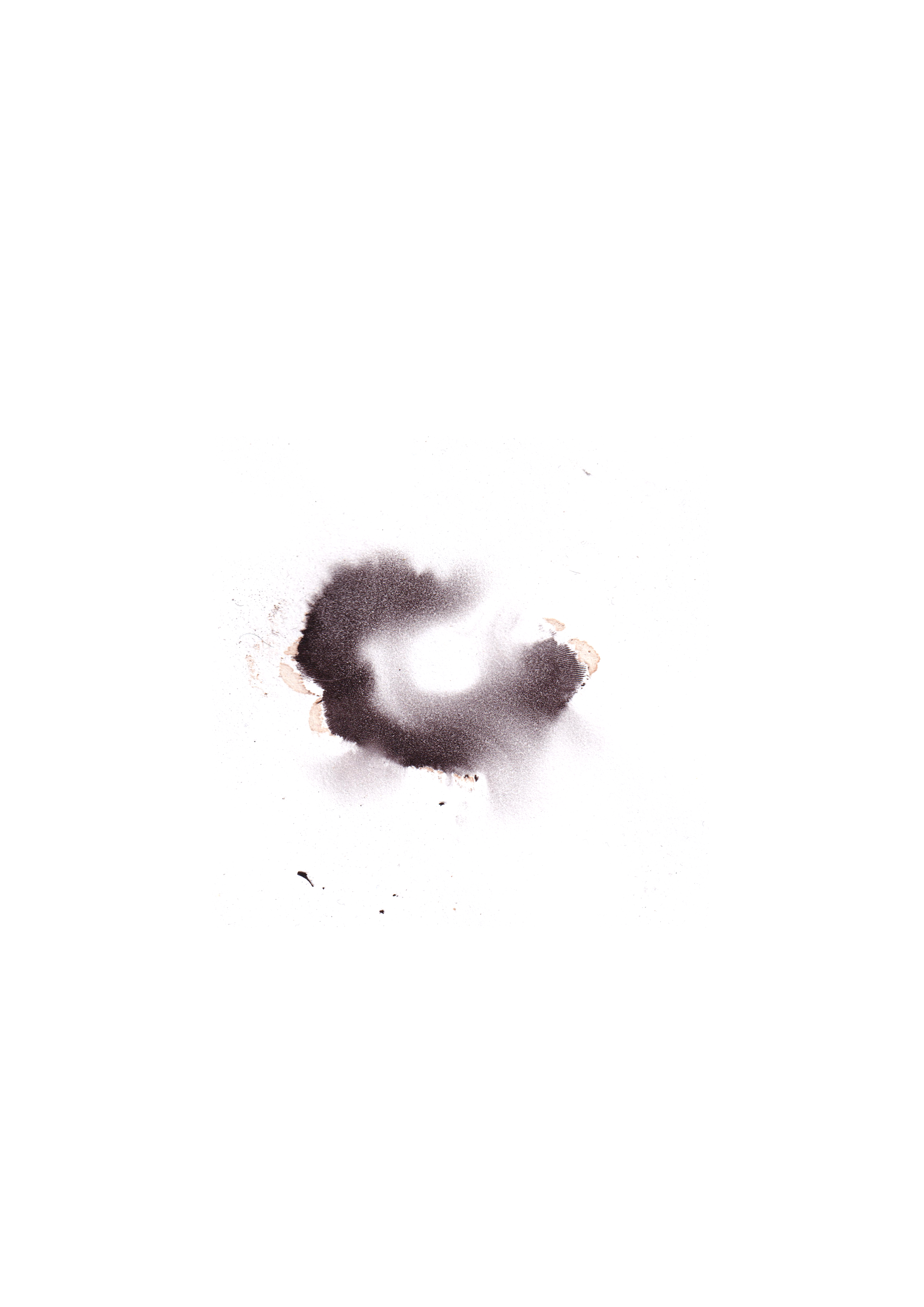
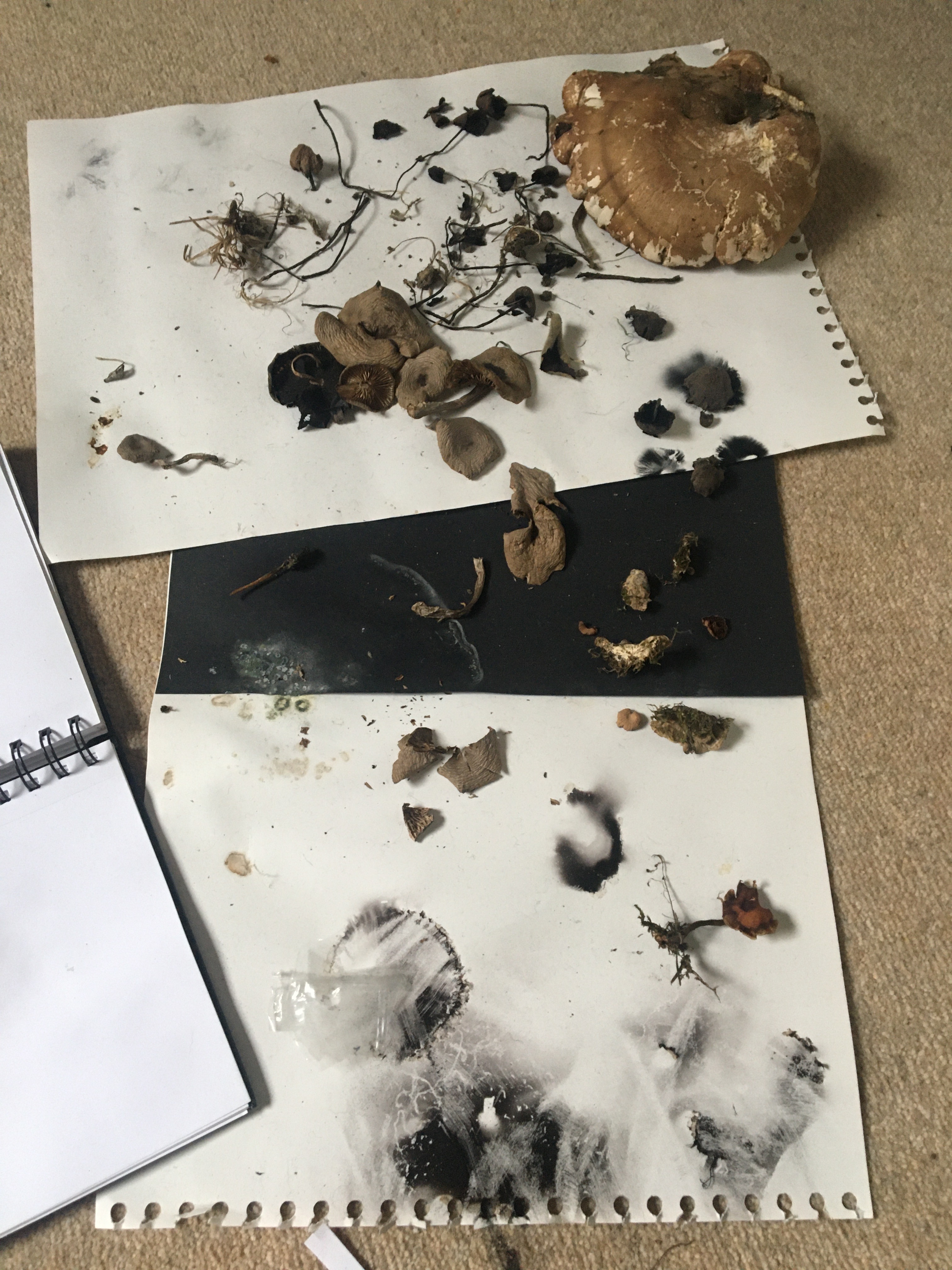
More spore prints
More successful prints of the gills (portobello mushrooms – bought, grown in Ireland)


Edited spore prints
Thinking about latent ecology. In the way that air conditions are invisible… I’m interested in ways of exposing previously invisible traces as a way to aesthetes these things. Not entirely sure why yet…
(foraged ink cap mushrooms, somerset)
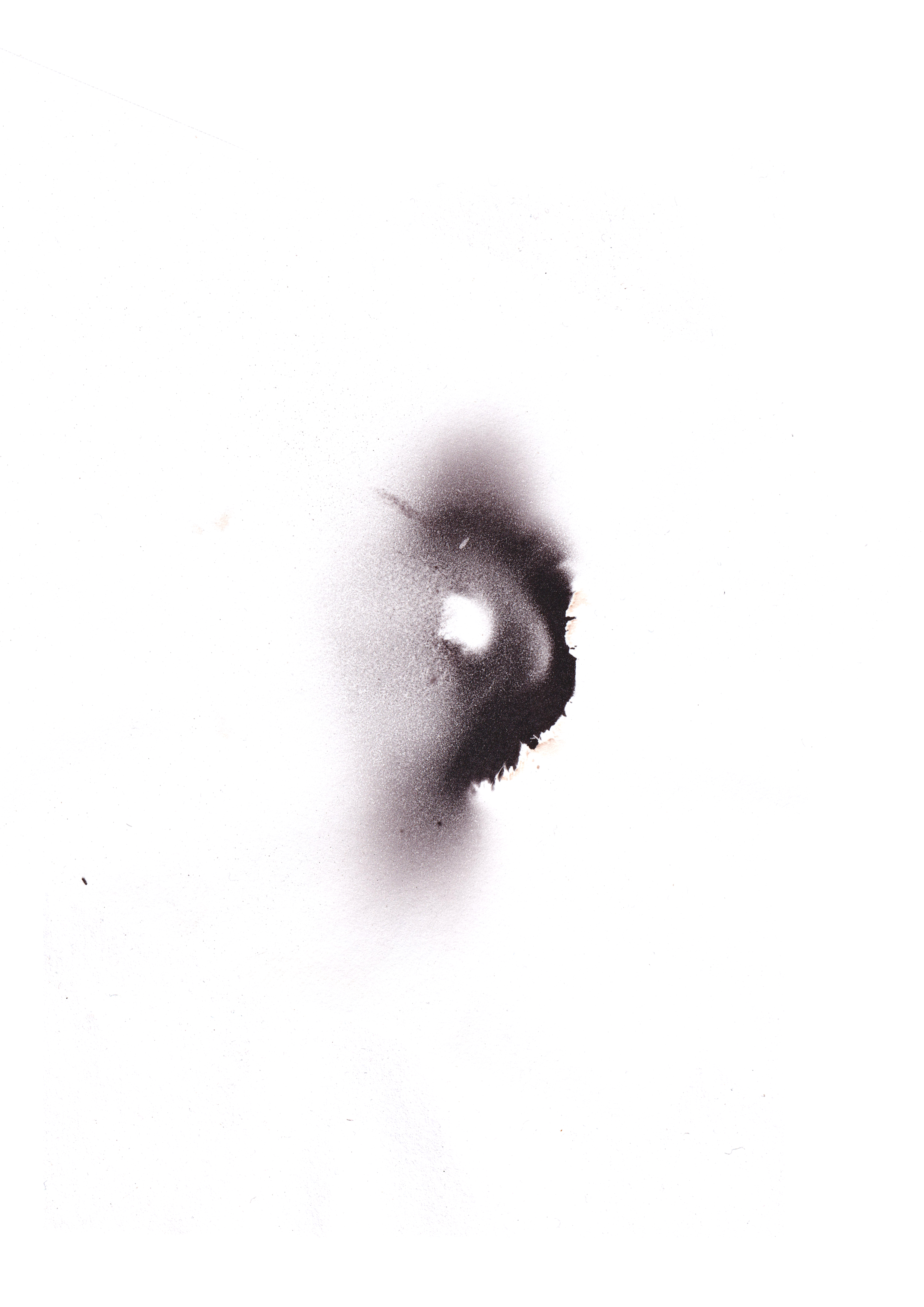
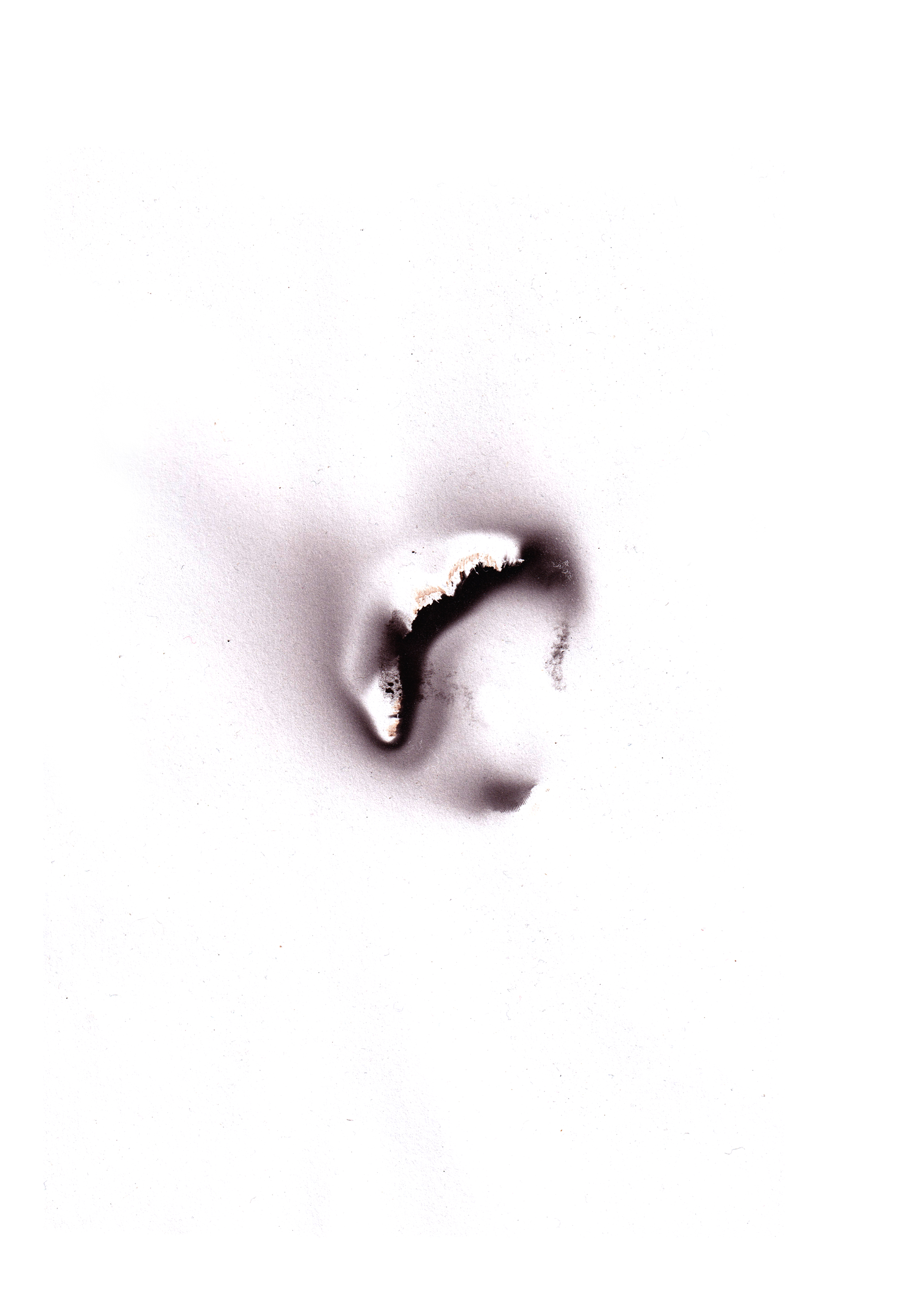
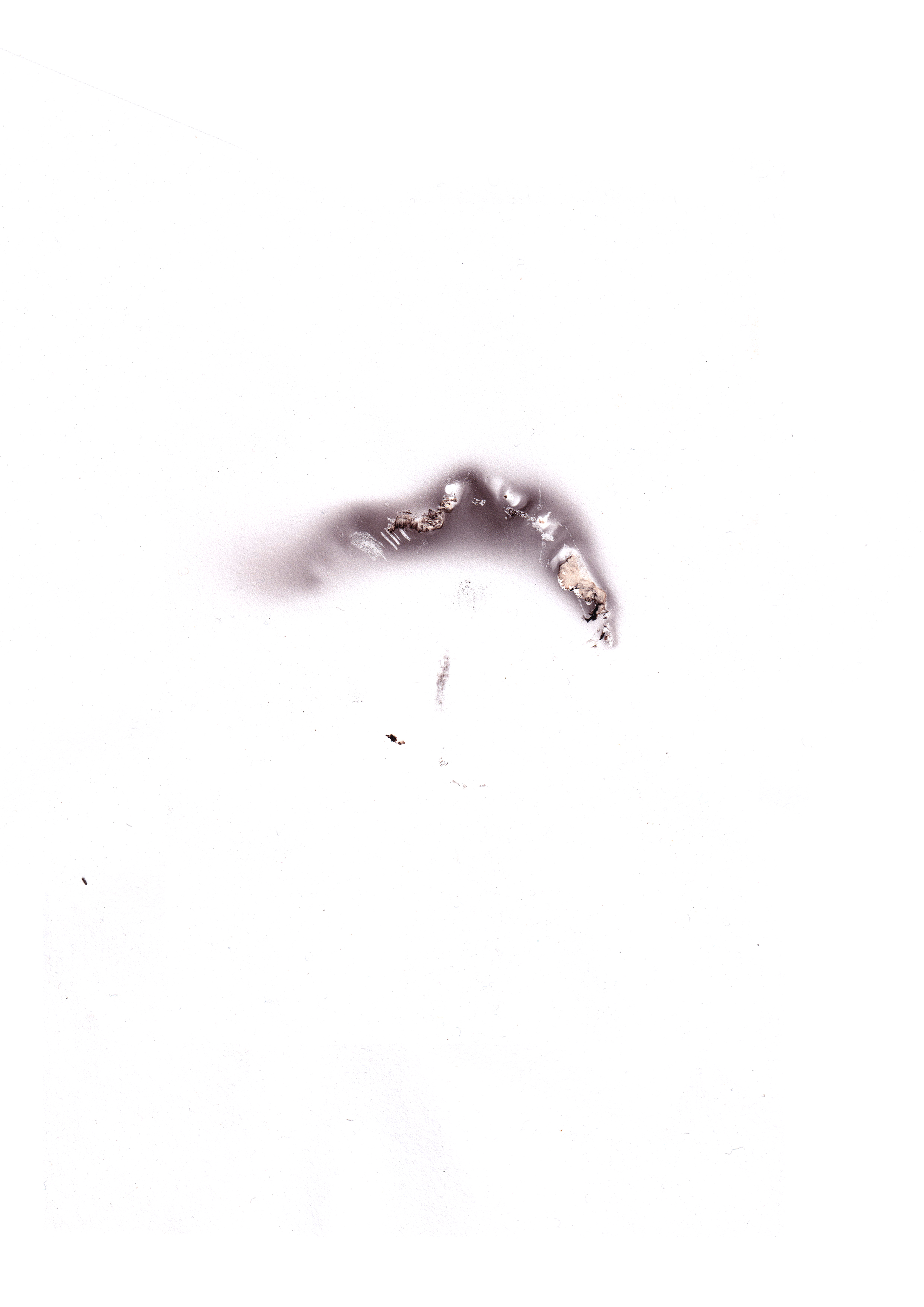

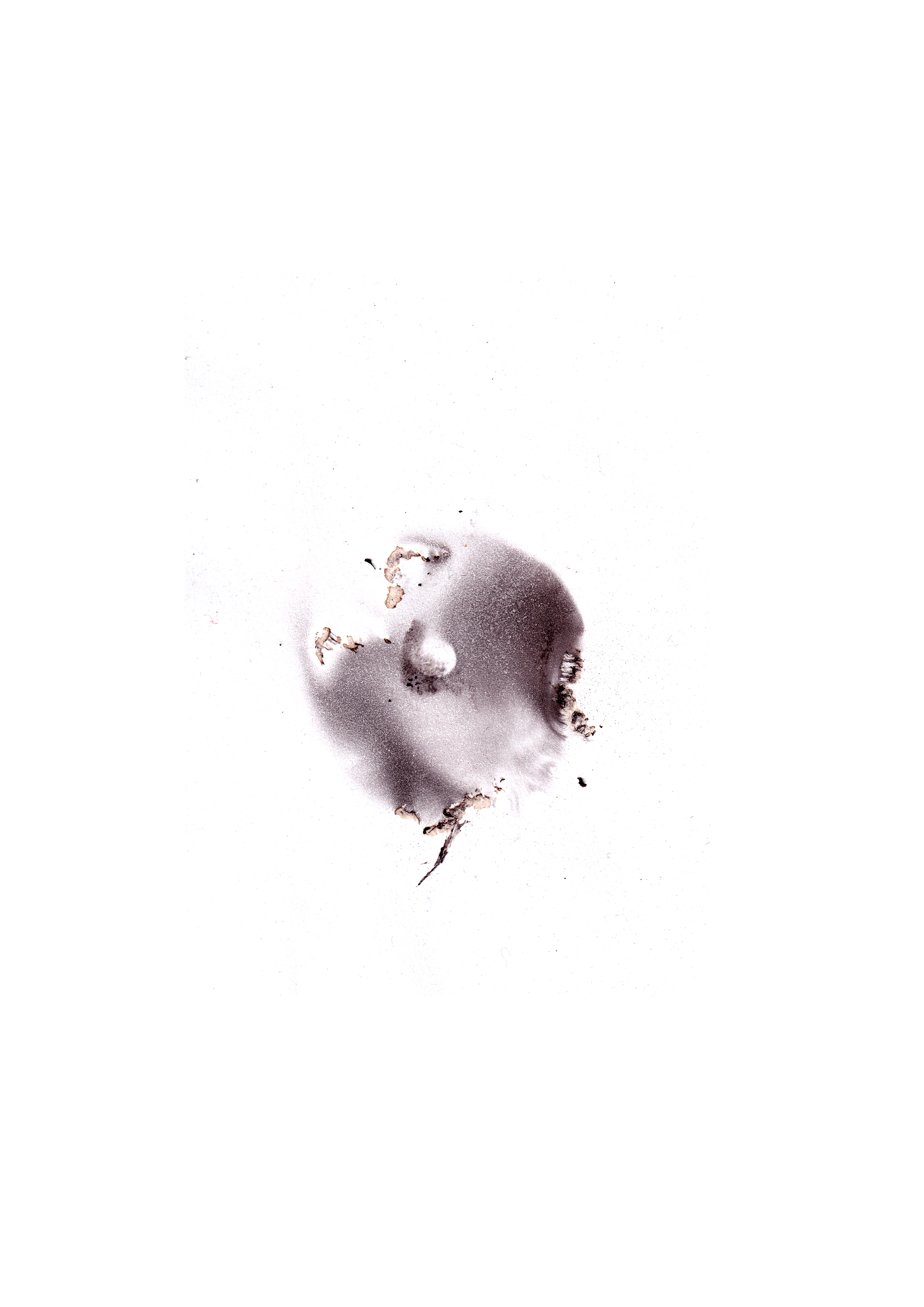



4/02/21 – Re assessing where project is going
Now that my context report is handed in, I am trying to distill my thoughts around my studio project. My thoughts in terms of output are emerging into to (very vague) areas.
- A) thinking about the ways in which I can exchange properties of ecological phenomena in order to re orange the way in which a human ‘senses’ them
- B) searching for localised ecological indicators of the broader issues of climate
thankfully these becomes very interlinked. dying textiles with red cabbage in order to collect soil samples through a process that autographically registers its latent qualities (ie acidity) is both allow for a different way to sense ecology (avenue A) and an indicator of unhealthy environmental conditions (avenue B; a localised example of infrastructures such as toxic manufacturing systems or argolostics)
speculative autographic materials
alexandra daisy ginsberg…

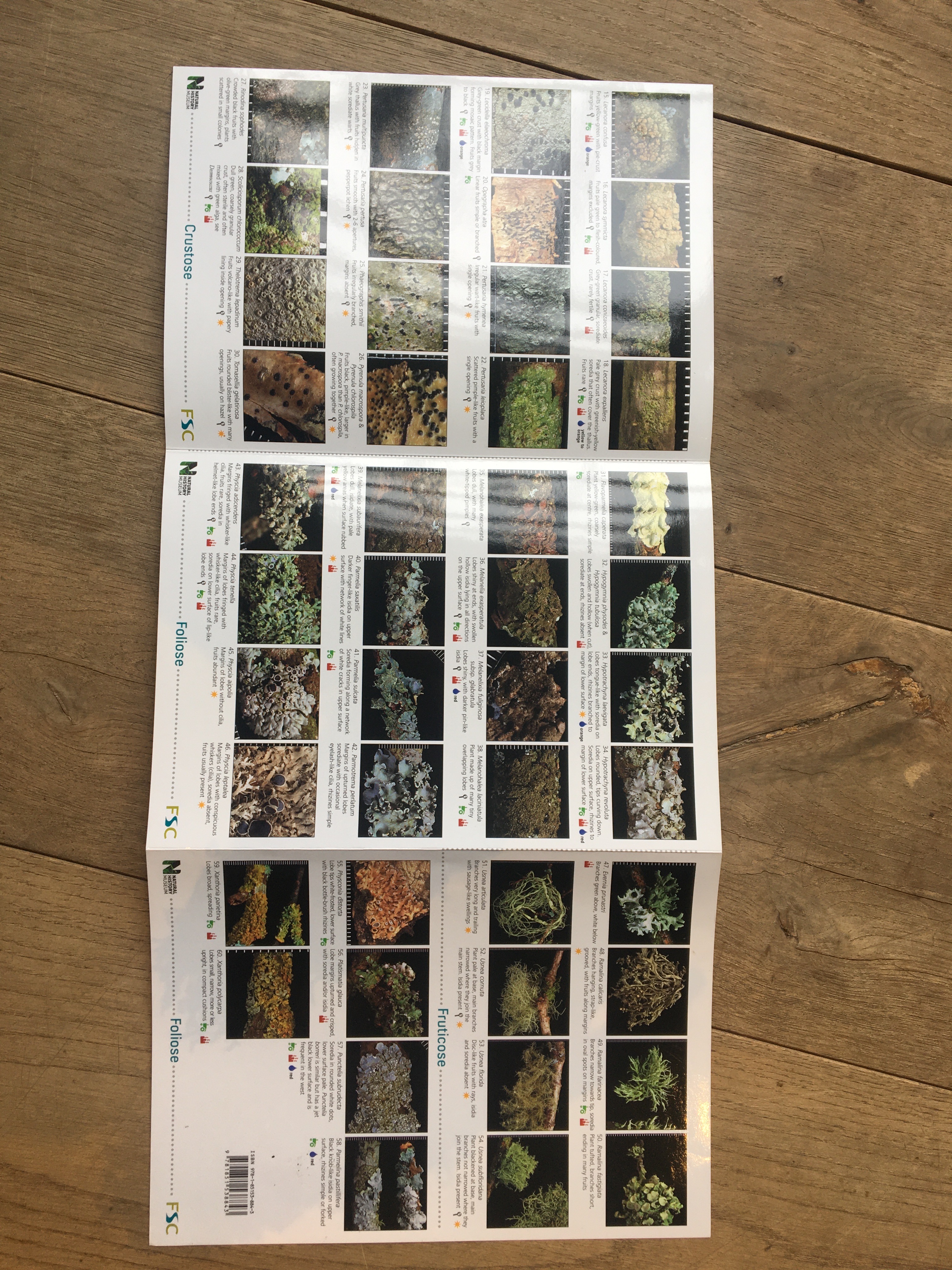
lichen harmonious and beautiful

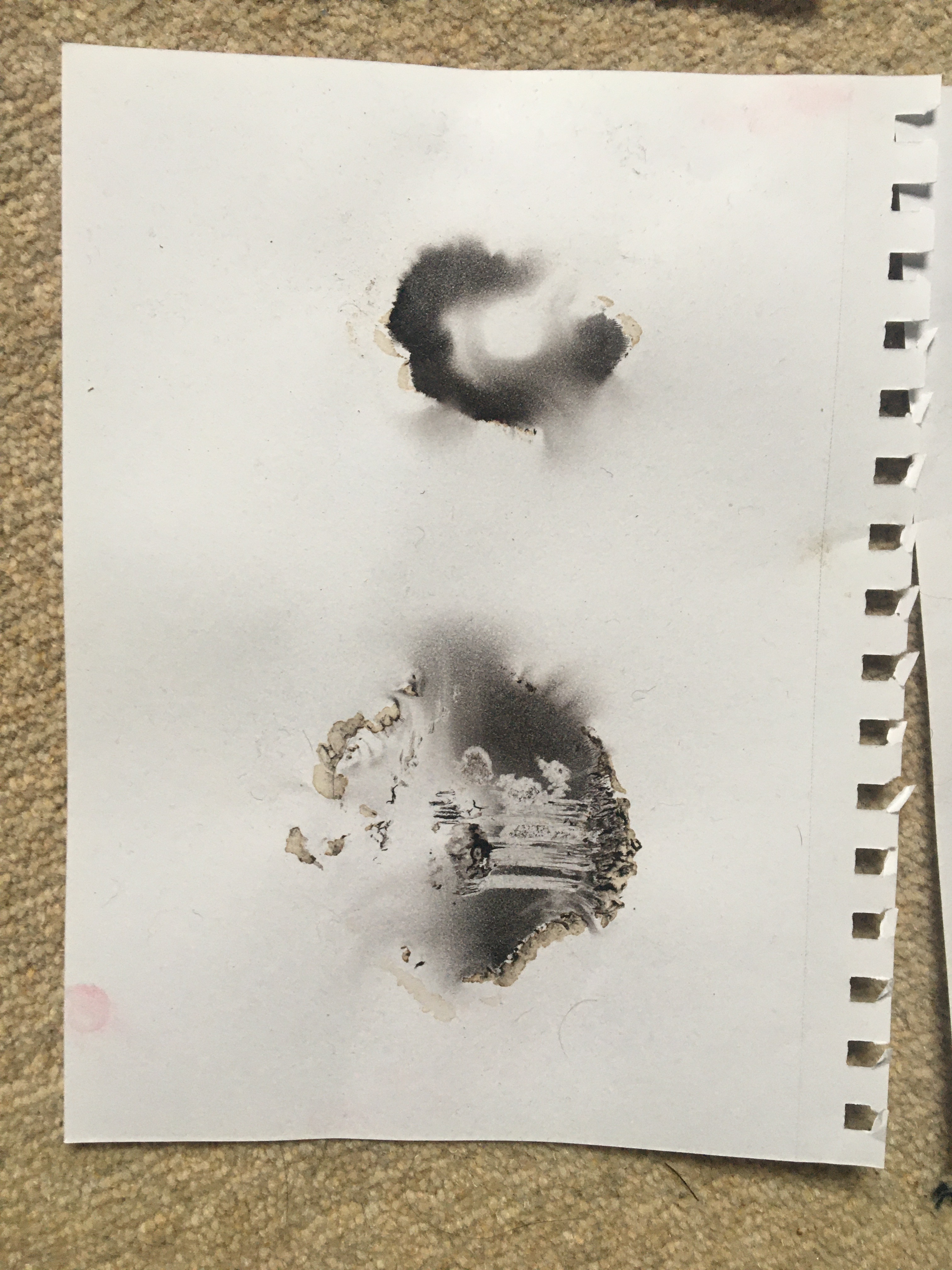
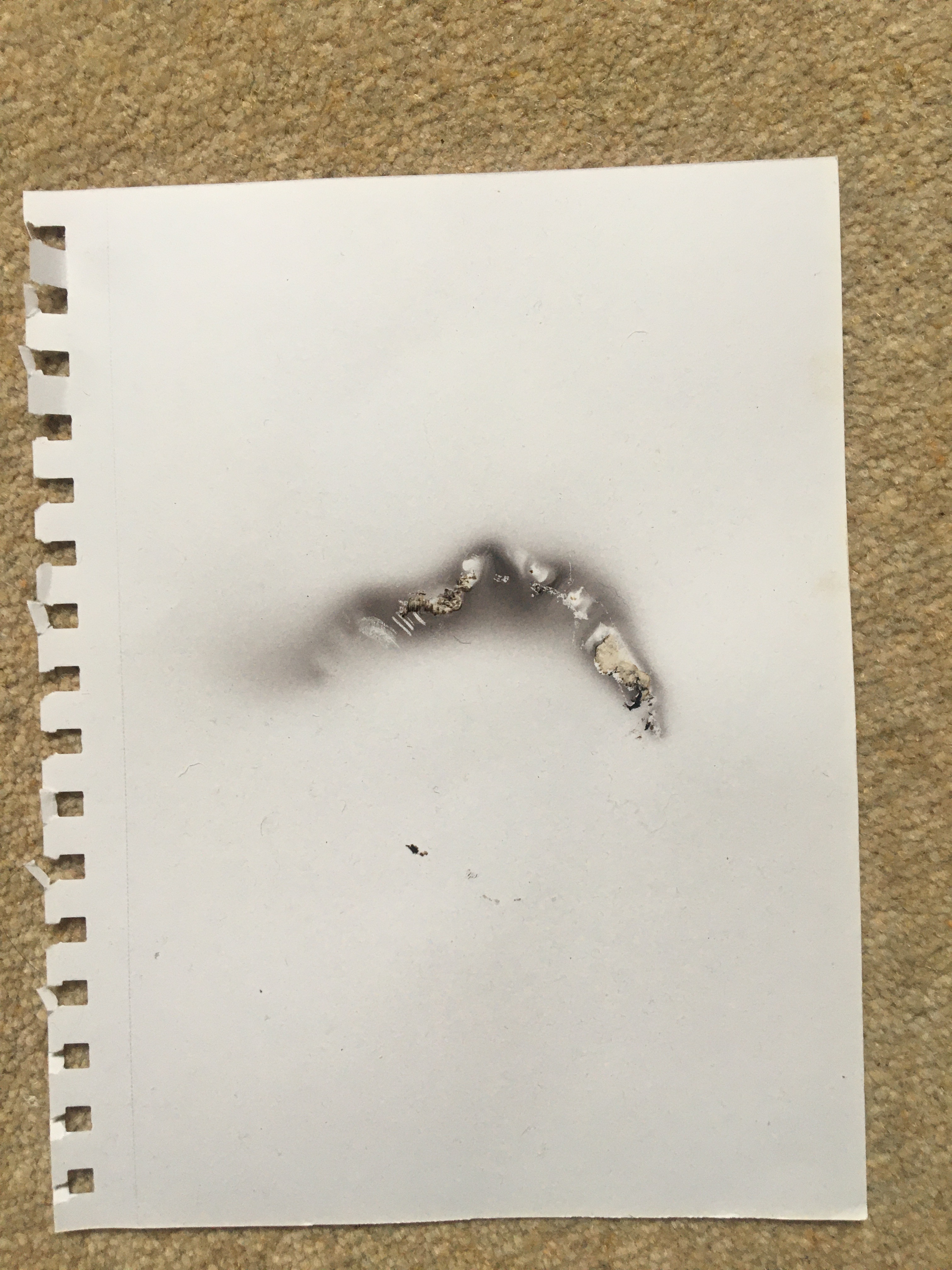
autographic printing
letting the mushrooms print their spores


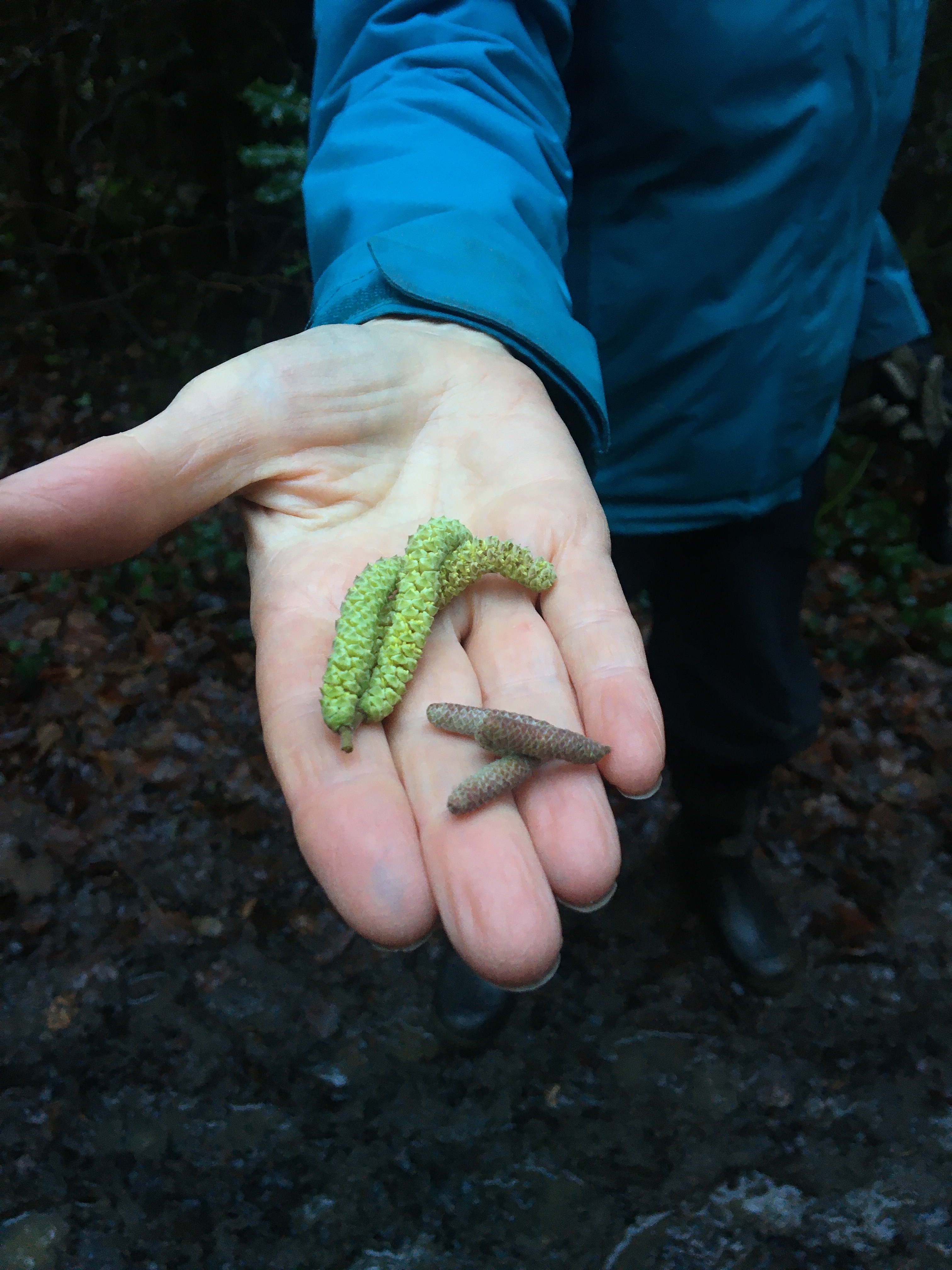
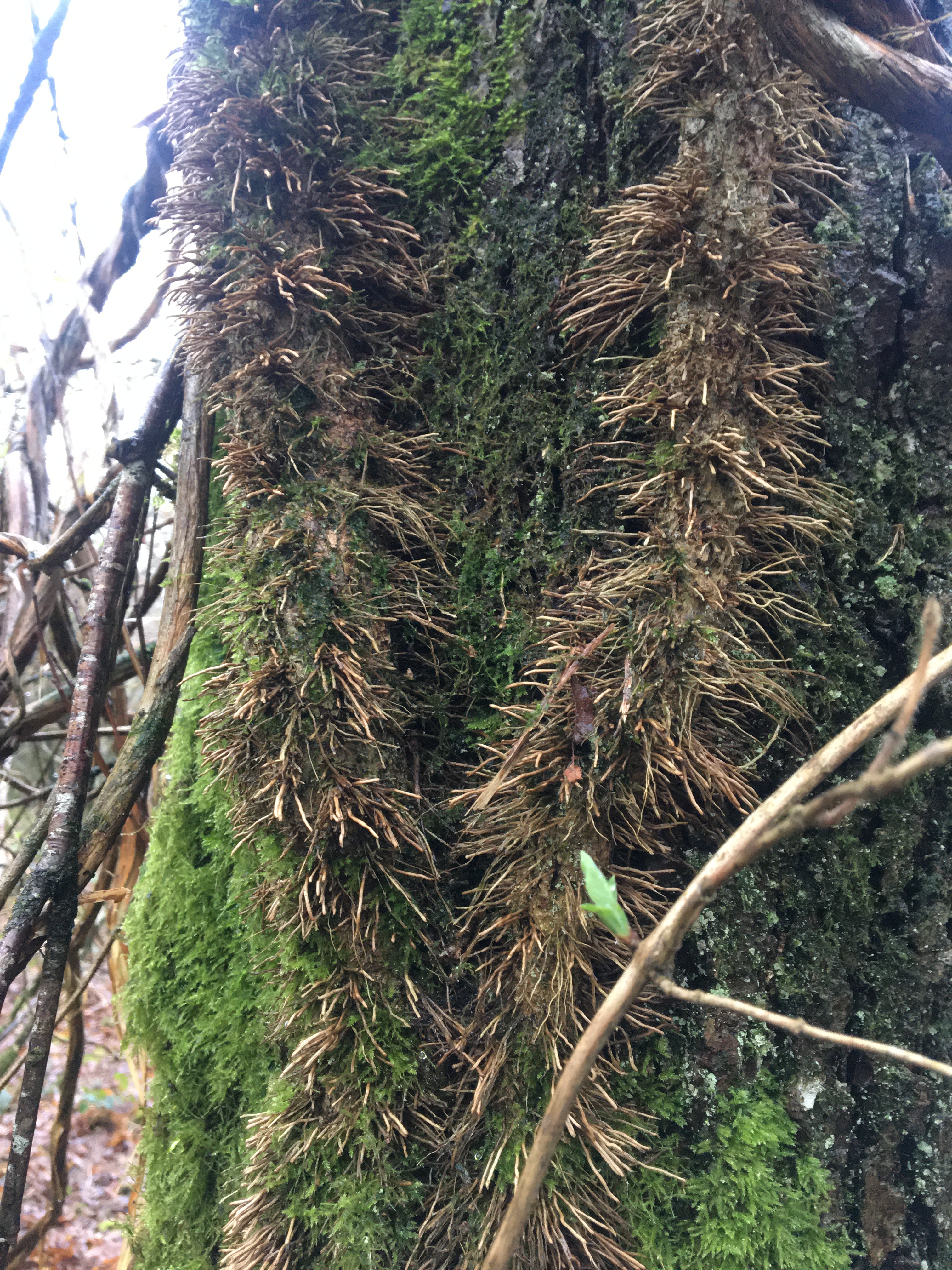
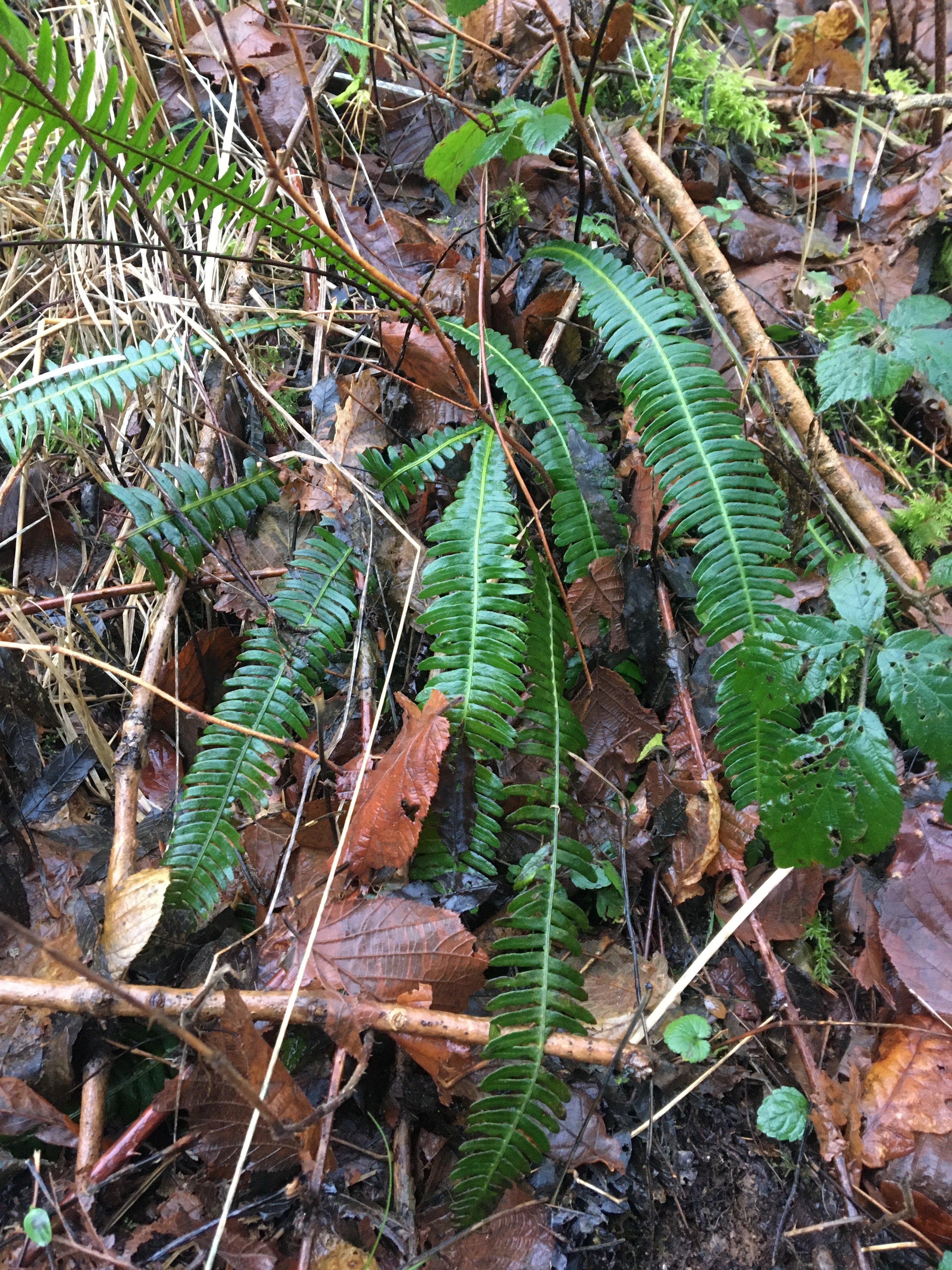
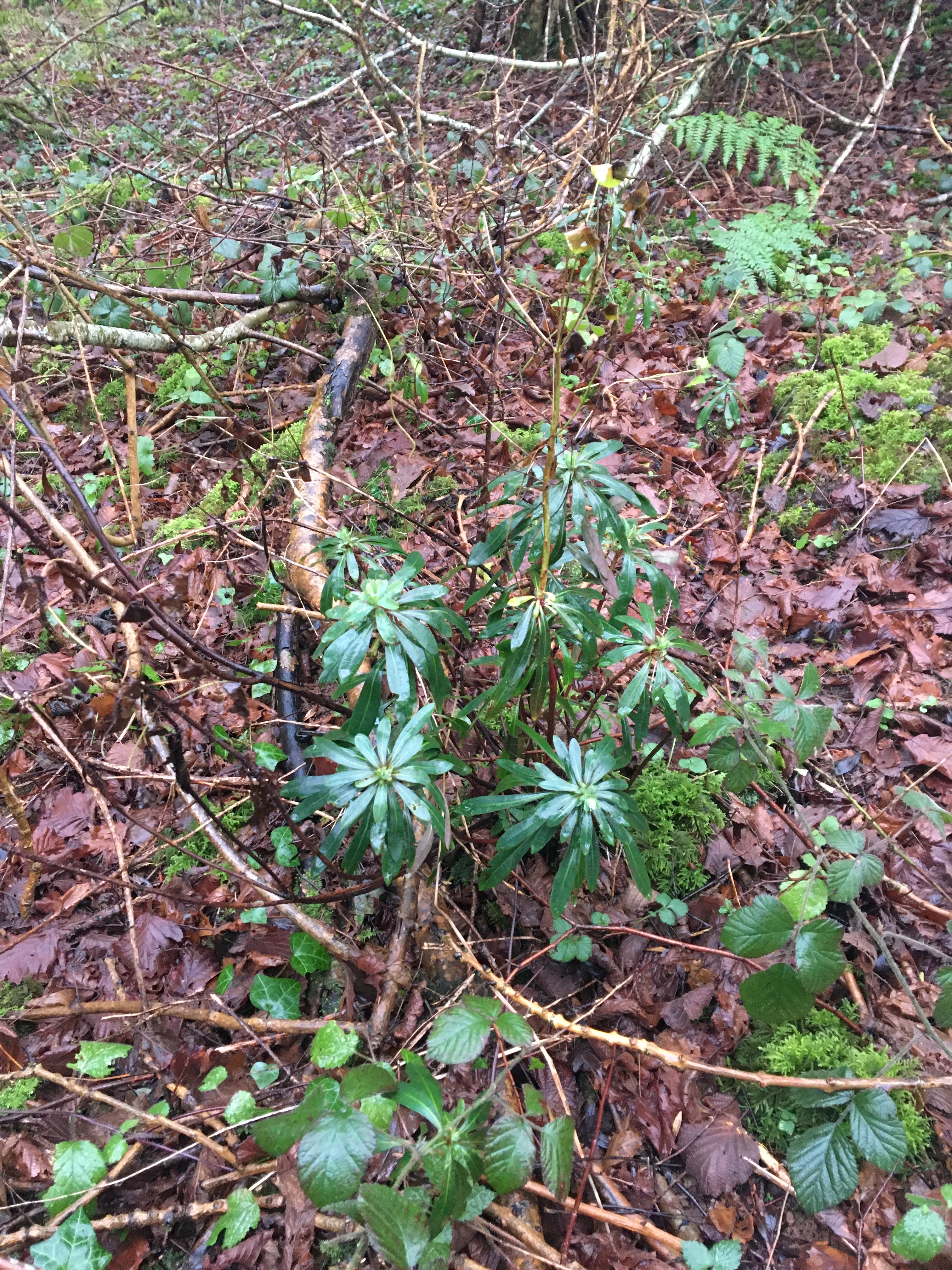
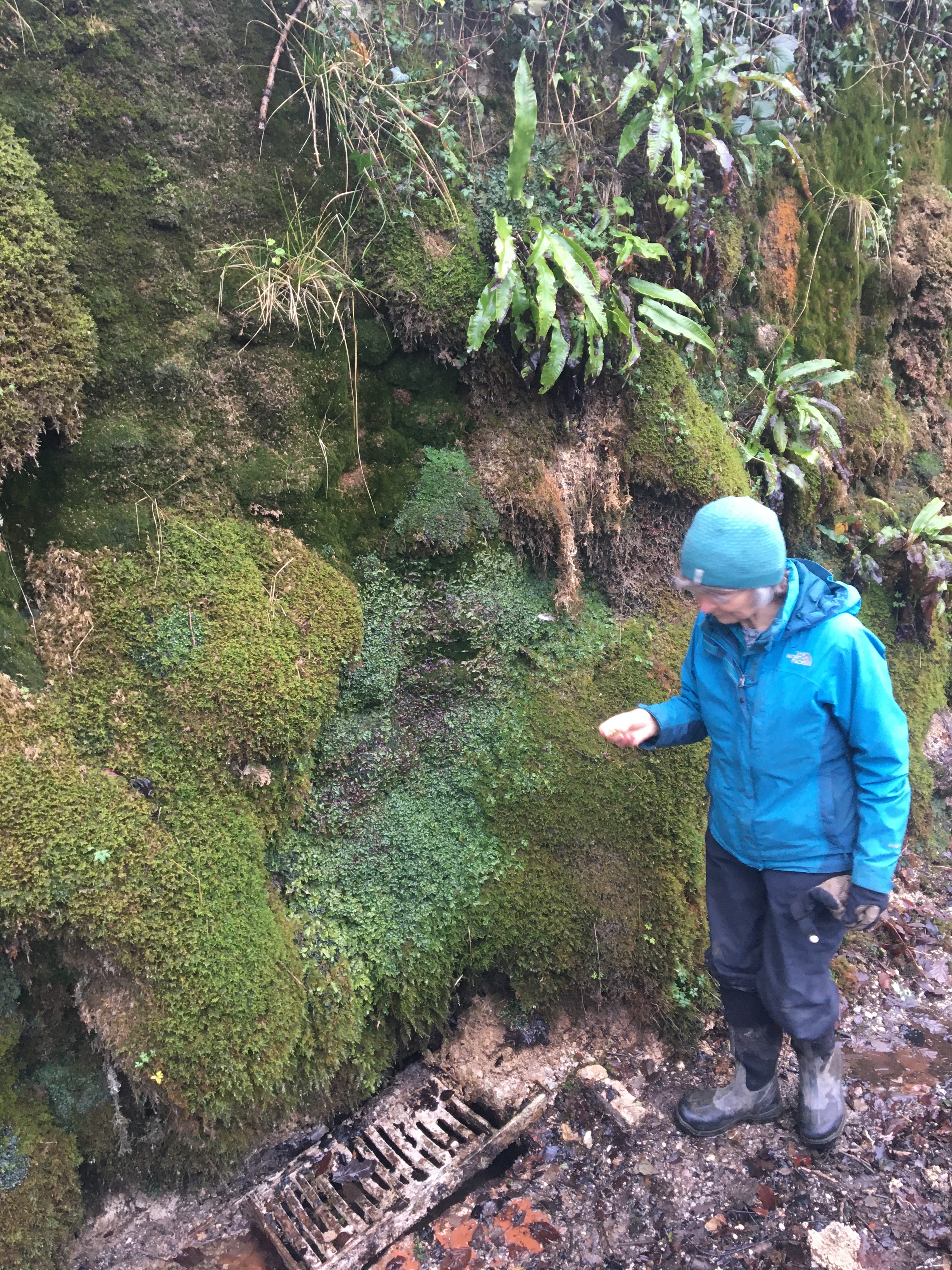
moss walk with veryan
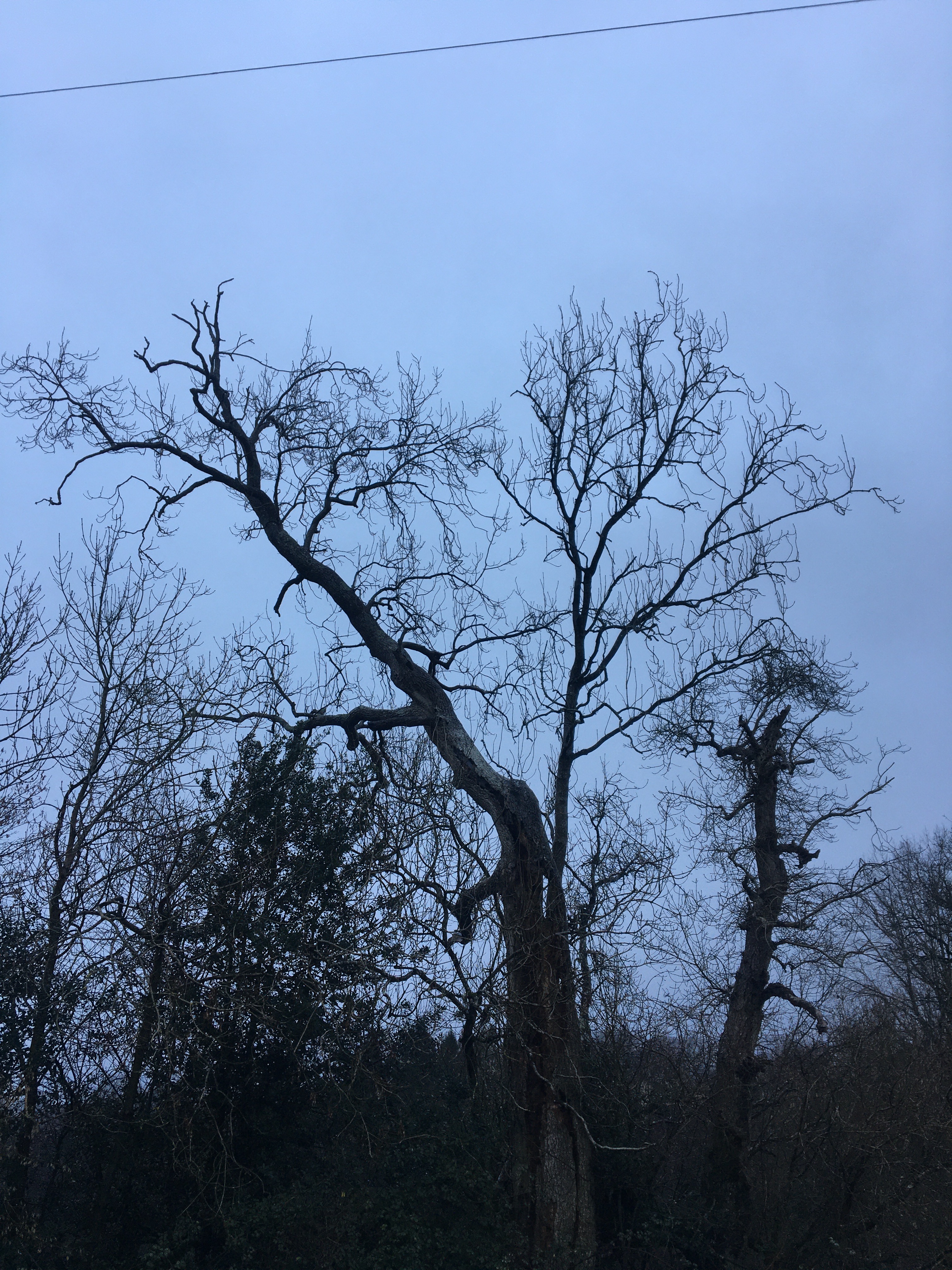
oka before ash you in for a splash, ash before oak and you’re in fo a soak. many sighs show us whether the spring has been unusually warm. this might be birds nesting earlier because trees are reacting to their soundings – there may not be enough food for it. If the oak leafs first every year, the ash is at a disadvantage. Could effect biodiversity if the oak is wining all the time






Gioglyphs to live by chapter
process space, memory space, instruction space
While the most of the Nazca geo- glyphs have been long visible from surrounding mountains, or thanks to aerial flights, the case of the recent additions to the corpus of these monumental drawings embodies not just an augmentation, but an automation of vision – the labour of identifying the pattern is delegated to a machine.nn
Contrary to the preced- ing example, these accidental geoglyphs are not revealed by AI, but by another more-than-human agency – an overheating planetary ecosystem responding to an increase in CO2 emissions with the rise of temperatures and previously unseen weather patterns. It is the medium of the changing climate itself that suddenly makes these archaeological traces visible.
A diagram might be a systematic visualisation of some process, such as thinking, digestion, atmospheric phenomenon or geological change. However, as Ryan Bishop reminded me recently, the diagram might also be a plan, a sort of normative gesture – it can format, prescribe, direct attention or produce a habit.
MEMORY SPACE – The dyschronia of human history and geological time is irreversibly erased, privileging the exterior temporal scales of the geological over the interior temporalities of the cultural.
PROCESS SPACE – have a position within some process rather than simply representing it. For this reason, we might say they function as process-spaces. Every geoglyph on Nazca plane is an imprint of cultural activity of a past human community, and its purpose is not to depict something, but to do something. We can interpret them as sites of religious rituals or of astronomic observation, or we can leave the interpretation of their cultural purpose open, but in any case, they are primarily tools used to mediate some relation to spiritual entities or to enable a knowledge of celestial bodies (to give a few examples).
The cropmarks are also imprints of an activity, in this case, the one of changing climate; human architectural traces are mobilised as a diagram of climate emergency.
The planet narrates the climate change as it is unfolding, leaving traces around us and in us – a cropmark on a field, a swarm of medusas in an ocean, a bleached coral reef, an agricultural land turning to desert: each of them being an index of global heating. Even our lungs become – metaphorically speaking – photographic imprints of the polluted cities in which we live.
INSTRUCTION SPACE – ‘In other words, these visual traits of climate emergency might be capable of inducing or of instituting a cultural habit.’
Crucially, identifying instructions that these geoglyphs yield is condi- tioned by our ability to read them not as simple representations of climate emergency, i.e. as some surrogates or proxies of the process, but as spaces where this process itself unfolds. The message is very banal: Climate change is never out there; it is always right before our eyes. The cloud of smoke over the Australian bush is not a representation of the catastrophe – it is the catastrophe.
Following the Peircean
triad of icon-index-symbol, these are indices produced by the planet itself. Some pictures are disastrous; some pictures are disasters.
Thus, it seems that climate emergency is putting a pressure on our current understand- ing of visual cultures as the realm of indirect representations. When it comes to visible traces of ecological disasters, these traces are their direct imprints, and they are encodings of the process into the medium of planet Earth. They announce an aesthetic regime of the surface, claiming an immediate authority to inform our ways of plotting the escape from the Anthropocene.
Here comes also an urgency to reassess the role of humans as privileged observers, when the traces of the ecological emergency remain hidden: there might be artificial, technical agencies better suited to detect traces of the distributed climate disaster, as well as to translate these traces into an adequate prescription, thus somehow extend- ing the scope of machine-readable geoglyphs outside of the Nazca Plate.
- example of phantom images?
Understanding the geoglyphic nature of climate emergency’s visual regime might finally help us to understand how the planet invites us to reconsider our relation to the assumed duality between the global and the local. So far, we have mainly treated the local as an opposite to the global, resulting in a (geo)political impasse when these scales are treated as hardly translatable (in the better case) or mutually exclusive (in the worst case). However, in the coming framework of the Planetary – as elaborated by scholars such as Jennifer Gabrys, Gayatri Chakravorty Spivak, William Connolly or Benjamin Bratton – the hope is that the local becomes just a clumsy term to express how our immediate surround- ings can be treated as an index of the Planetary. No place on Earth has a privileged position here. As a fractal image, every place hides the micro- cosm of the planetary relations; each locality is a garden within a garden, indexing the violence done to the planet.
- really good end bit on how to see all traces through OOO, the local being the same as the global!!!!
 THINKING RESEARCH